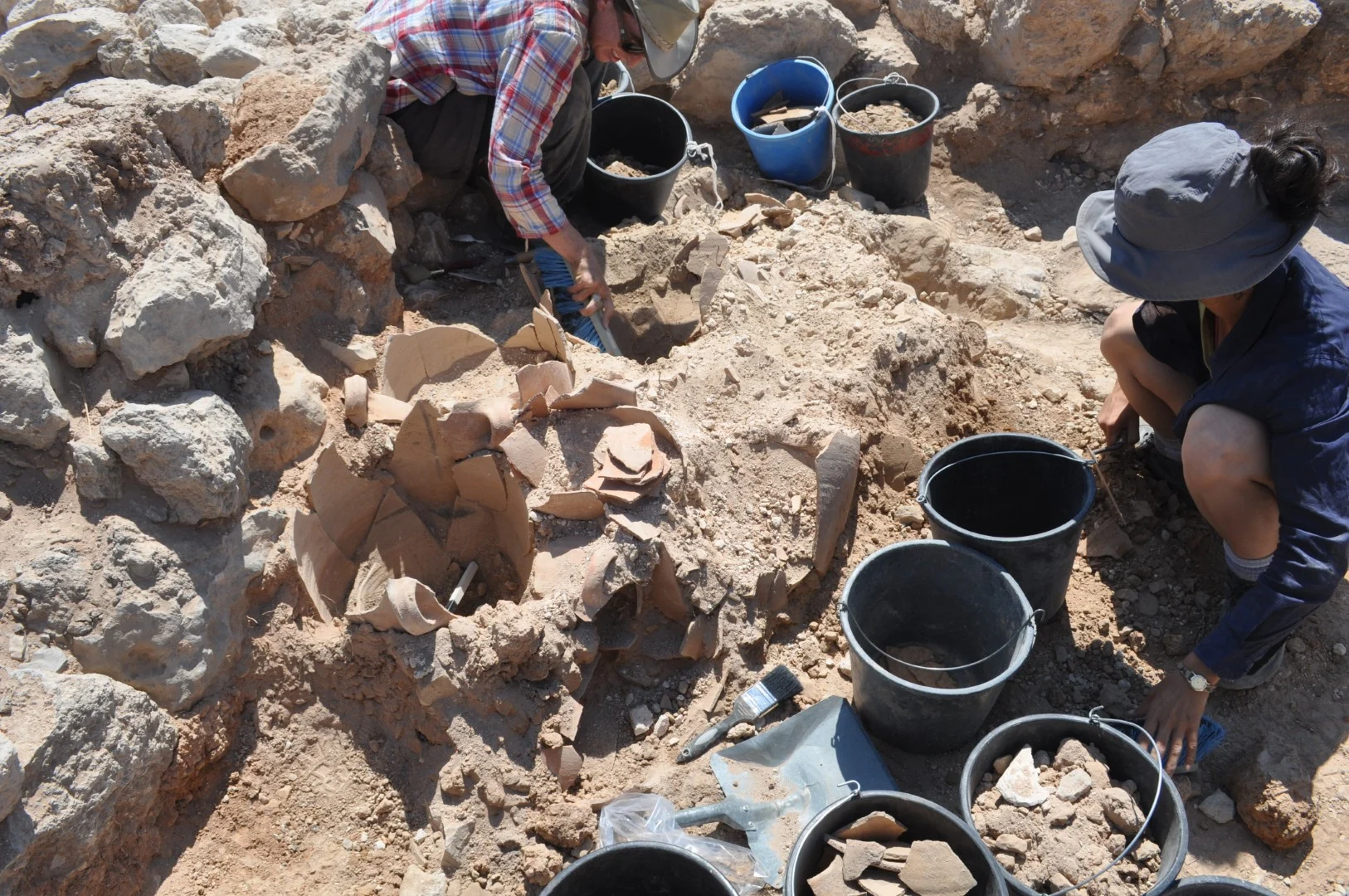
A massive 2,700-year-old cult stone found inside an Assyrian-destroyed mansion at Tel ‘Eton is adding new weight to the debate over Hezekiah’s Reform, while also showing how religious life may have reached beyond temples and into the homes of Iron Age Judah.
The stone, about 1.4 meters high and weighing roughly 750 kilograms, was discovered at Tel ‘Eton, an Iron Age site in the Judean Shephelah, the lowland region between the hill country of Judah and the coastal plain. According to a new study by archaeologist Avraham Faust, the object may once have stood upright as a “massebah,” a cultic standing stone used in ancient Near Eastern religious practice.
The study, published in the 2026 volume of the peer-reviewed Jerusalem Journal of Archaeology, does not claim to prove Hezekiah’s reform. Its argument is more careful. The Tel ‘Eton stone may preserve evidence for cultic change inside a domestic setting, a part of ancient Judahite religion that has received less attention than temples and public shrines.
A large stone inside an elite Judahite house
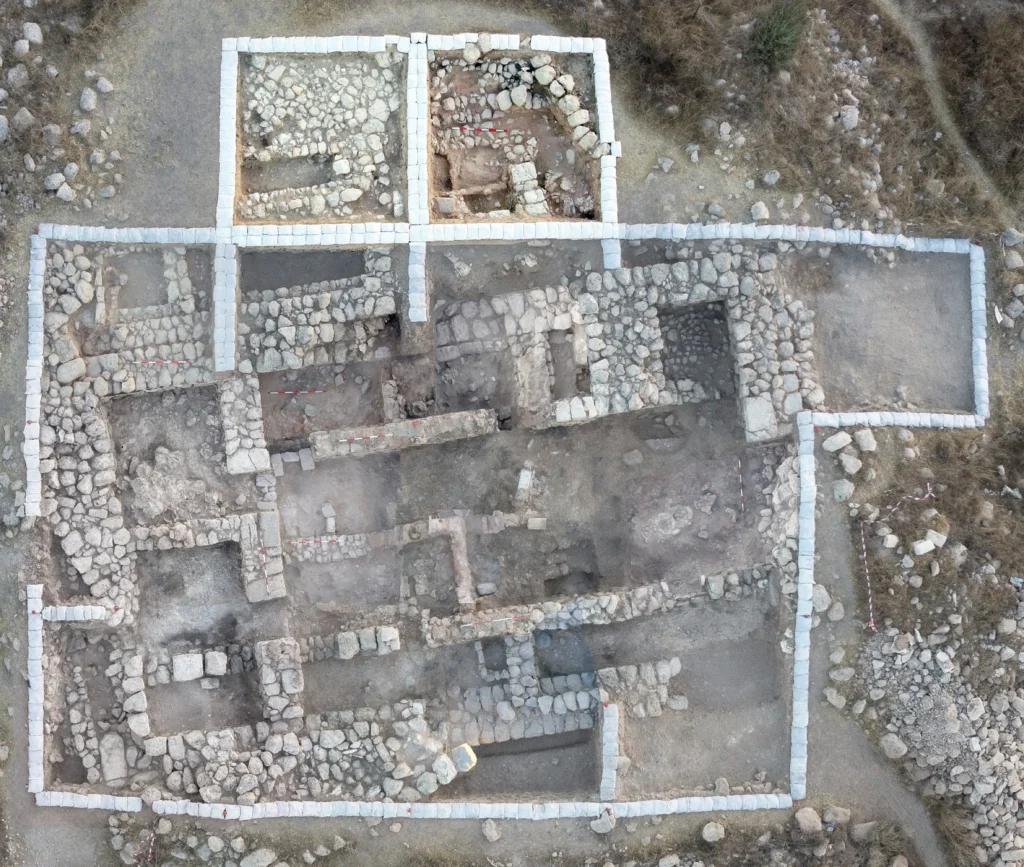
The stone was found in Building 101, a large residence at Tel ‘Eton. The structure follows the general plan of the well-known Iron Age “four-room house,” a building type widely associated with Israelite and Judahite settlements. Yet this was no ordinary home. Its size, layout and finds suggest a wealthy household, perhaps one with local status.
The discovery came from Room 101B, one of the largest and most important rooms in the house. At first, the excavators thought the large stone belonged to a wall collapse. Only after the surrounding stones were removed did its unusual character become clearer.
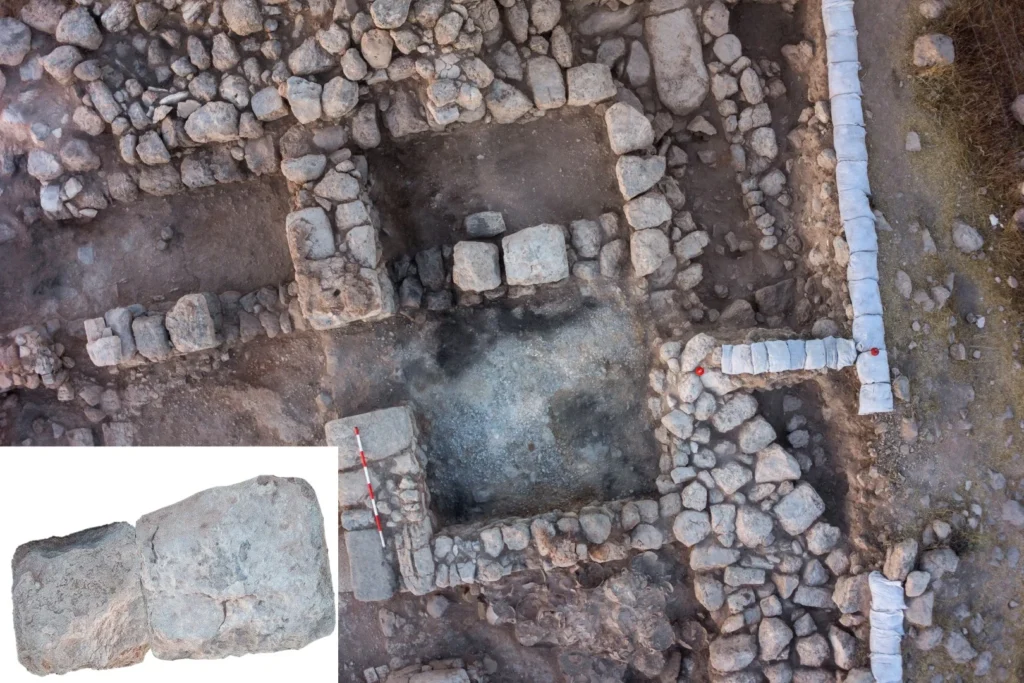
The object had been broken into two large segments, but the matching marks showed that the pieces belonged to a single monumental stone. Its shape, scale and rough working led Faust to identify it as a likely standing stone rather than ordinary building material.
What makes the find more intriguing is its position. The stone was not standing when the house was destroyed. It had already been laid down and incorporated into a stone platform. This was not the result of the Assyrian destruction. It appears to have been done deliberately before the final burning of the building.
A rare glimpse of household religion
Standing stones were common in religious traditions across the ancient Near East. Their precise meaning varied. Some may have represented deities, ancestors, sacred presence or local cultic memory. What scholars generally agree on is that they belonged to religious or symbolic settings.
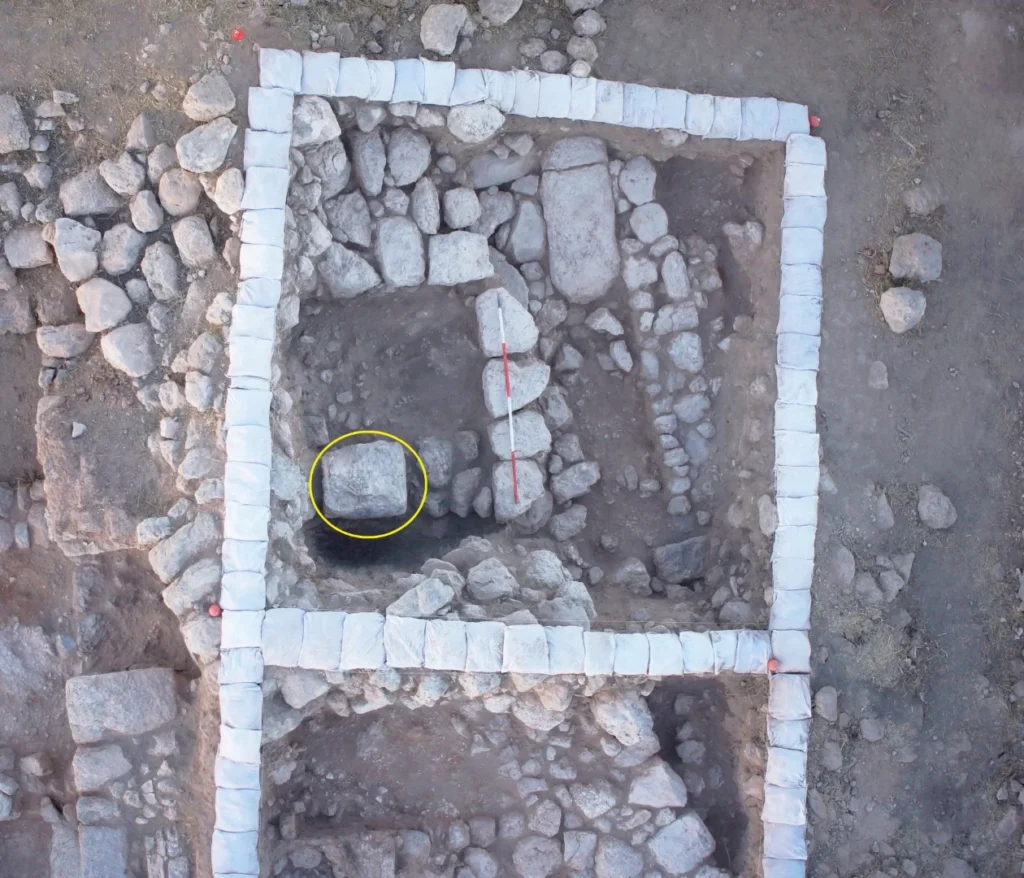
The Tel ‘Eton example is important because it was found inside a house, not in a temple. The room where it stood was one of the most prominent spaces in the building. When the door was open, the stone would likely have been visible from parts of the entrance area or courtyard.
That visibility matters. It suggests the stone was not a hidden object or a casual household item. It may have played a visible role in the life of the household, perhaps marking a place where family-based ritual activity took place.
At some point, however, the stone was taken down. It was not smashed into fragments or thrown away. Instead, it was carefully reused inside a platform. That detail is central to Faust’s interpretation. The object may have been removed from active cultic use, but not treated as worthless.
The possible link to Hezekiah
The Hebrew Bible describes King Hezekiah of Judah as a ruler who removed local shrines, smashed standing stones and sought to centralize worship in Jerusalem. Scholars have long debated whether this account reflects a real eighth-century BCE reform or a later theological rewriting of the past.
Archaeology has offered only limited evidence. Discussions usually focus on cultic installations at sites such as Arad, Beersheba and Lachish. These are important, but they mostly belong to public or semi-public religious settings.
Tel ‘Eton shifts the question into the home.
If religious practice in Judah also took place inside elite households, then evidence for reform may not be limited to temples and official shrines. A domestic cult object taken out of use before the end of the eighth century BCE could fit the broader pattern of religious change associated with Hezekiah’s reign.
This remains a possibility, not a certainty. Faust’s study is careful on that point. The stone does not prove the biblical account. But it gives archaeologists another place to look: the architecture of daily life, where religion, family status and political change may have intersected.
Preserved by destruction
Building 101 was destroyed in a violent fire during the Assyrian campaigns that reshaped the region in the late eighth century BCE. The exact historical event remains debated. Some interpretations connect the destruction with Sennacherib’s campaign in 701 BCE, while Faust also considers earlier Assyrian activity under Sargon II in 712/711 BCE.
The fire sealed much of the house in place. In the final phase of Room 101B, archaeologists found domestic objects, including a cooking pot on the platform and other traces of daily life. These finds suggest that after the standing stone was laid down, the room may have taken on a more ordinary household function.
Burned wood fragments were also found beneath the platform. They could be connected to earlier activity in the room, but scientific testing did not produce clear results. For now, their meaning remains uncertain.
A small opening in a larger debate
The Tel ‘Eton stone will not end the argument over Hezekiah’s reform. It is one piece of evidence from one house, at one site, in a region shaped by war, local tradition and changing religious authority.
But it is a significant piece.
Its size suggests importance. Its location points to household ritual. Its later concealment inside a platform hints at deliberate change. And its date places it in the same broad period in which Judah was facing both Assyrian pressure and internal religious transformation.
The Tel ‘Eton stone does not prove Hezekiah’s Reform. It does something more limited, but still important. It moves the discussion from temples and public shrines into the rooms of an elite Judahite house, where an old cult object appears to have been lowered, reused and then sealed in place by Assyrian destruction.
Cover Image: Archaeologists excavate Room C in Building 101 at Tel ‘Eton, where a 2,700-year-old cult stone has added new evidence to the debate over Hezekiah’s Reform in Iron Age Judah. Credit: Avraham Faust / Tel ‘Eton Archaeological Expedition.