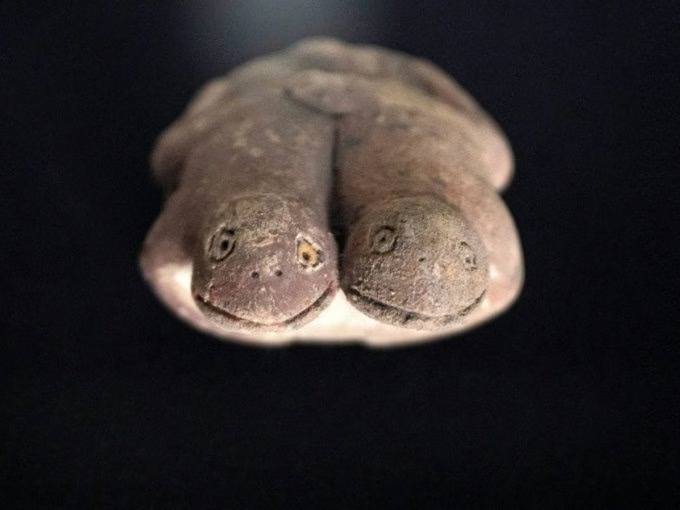
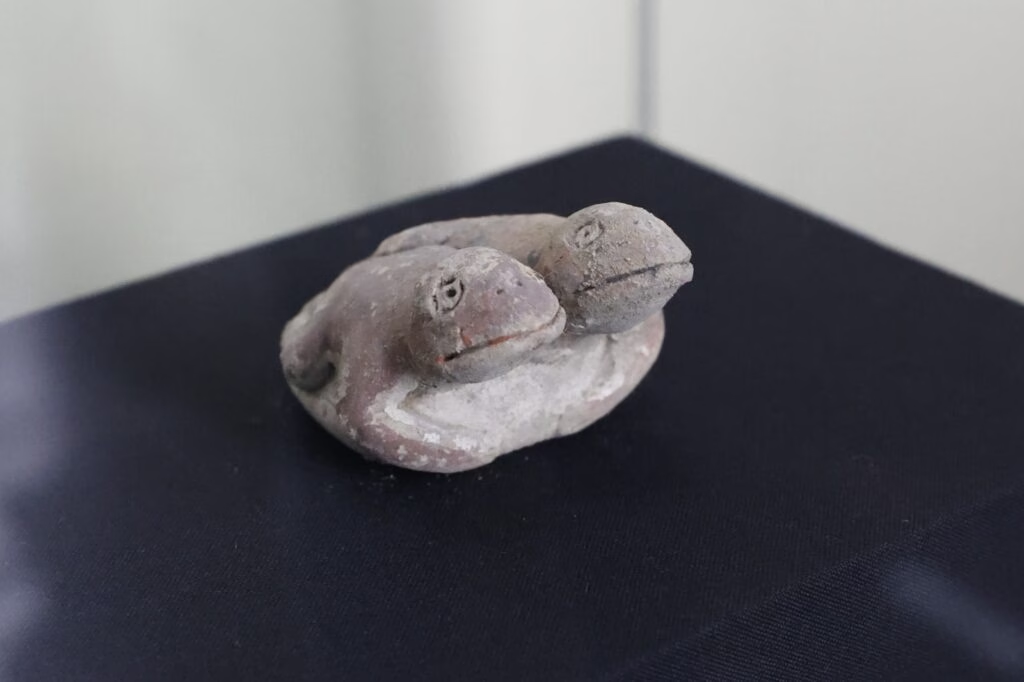
Archaeologists in Peru have revealed a remarkable discovery at the Vichama archaeological site: a 3,800-year-old clay figurine depicting two frogs joined at their hind legs. This is the first time such a sculpture has been found at Caral-related sites, offering a unique glimpse into the symbolic world of one of the Americas’ oldest civilizations.
The 12-centimeter-long figurine, announced by Peru’s Ministry of Culture, highlights the cultural significance of frogs in ancient Andean society.
Frogs in Andean Symbolism
Tatiana Abad, lead archaeologist at Vichama, explained, “Frogs were associated with water and rainfall, essential for agricultural cycles and survival in ancient communities.”
The sculpture aligns with other murals and reliefs at Vichama depicting scarcity, fertility, and renewal. Researchers suggest these artworks reflect how the Caral civilization responded to environmental challenges and climate fluctuations thousands of years ago.
Ruth Shady, director of the Caral Archaeological Zone, noted:
“This discovery reinforces the narratives found in Vichama’s murals. They tell stories of scarcity and hope, showing how ancient societies adapted to environmental changes—lessons still relevant today.”
Vichama and the Caral Civilization
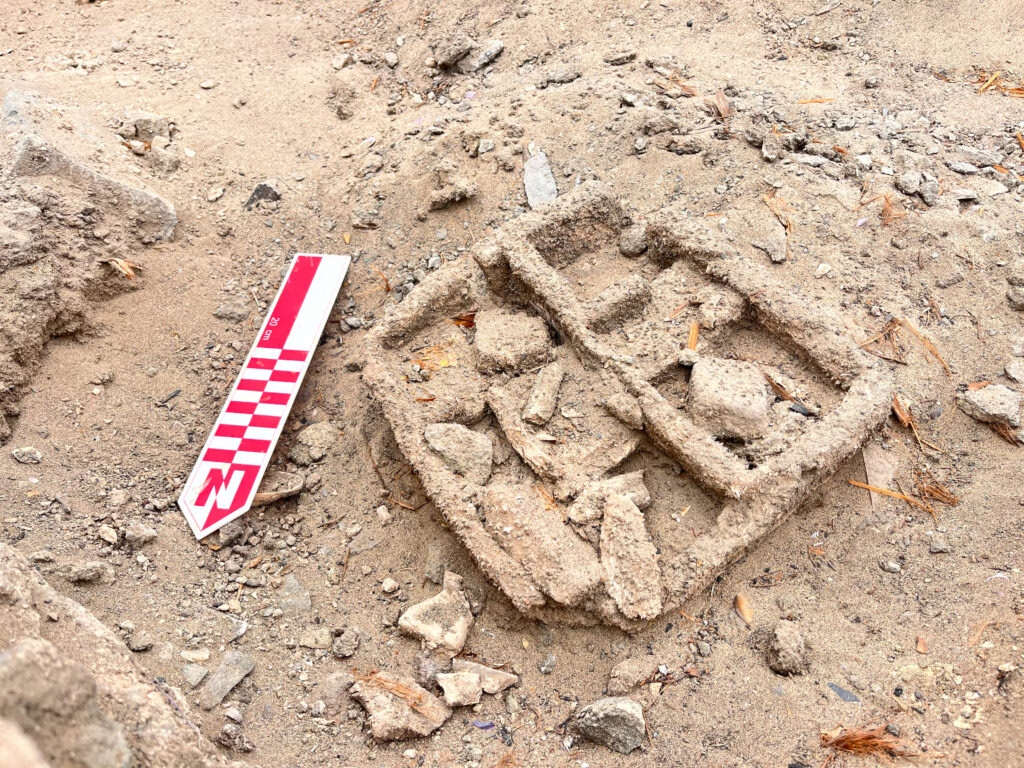
Located 110 kilometers north of Lima in the Huaura Valley, Vichama was a thriving urban center during the later phases of the Caral civilization, around 1,800 BCE. The 25-hectare site features 28 major architectural structures, including ceremonial plazas, public buildings, and residential areas.
Vichama is renowned for its mud-brick reliefs depicting emaciated human figures, pregnant women, and agricultural motifs, all interpreted as symbolic references to fertility, famine, and renewal. The newly uncovered frog figurine adds another layer of understanding to how the people of Vichama intertwined art, spirituality, and survival.
Excavations at Vichama began in 2007, distinguishing the site from Caral itself, where monumental stone pyramids dominate. Vichama offers deeper insights into daily life and the symbolic universe of its inhabitants.
The Caral civilization, also known as Norte Chico, dates back nearly 5,000 years and is the earliest known complex society in the Americas. UNESCO recognized Caral as a World Heritage Site in 2009, and it is often compared to the civilizations of Mesopotamia, Egypt, and the Indus Valley for its antiquity and achievements.
Caral developed along Peru’s fertile north-central coast, with around 30 urban centers. Its largest city, Caral-Supe, featured pyramids, circular plazas, amphitheaters, and residential complexes. Remarkably, the civilization flourished without ceramics or warfare, relying instead on agriculture, fishing, trade, and religious rituals.
The discovery of the frog figurine not only enriches our understanding of Vichama and Caral but also highlights the global significance of Peru’s archaeological heritage. In the context of today’s climate change and water scarcity, the symbolism of frogs as life-giving and rain-bringing creatures resonates across millennia.
“This discovery reminds us that ancient societies faced environmental struggles much like our own,” Shady said. “Their resilience and ability to express these challenges culturally offers a mirror for the modern world.”