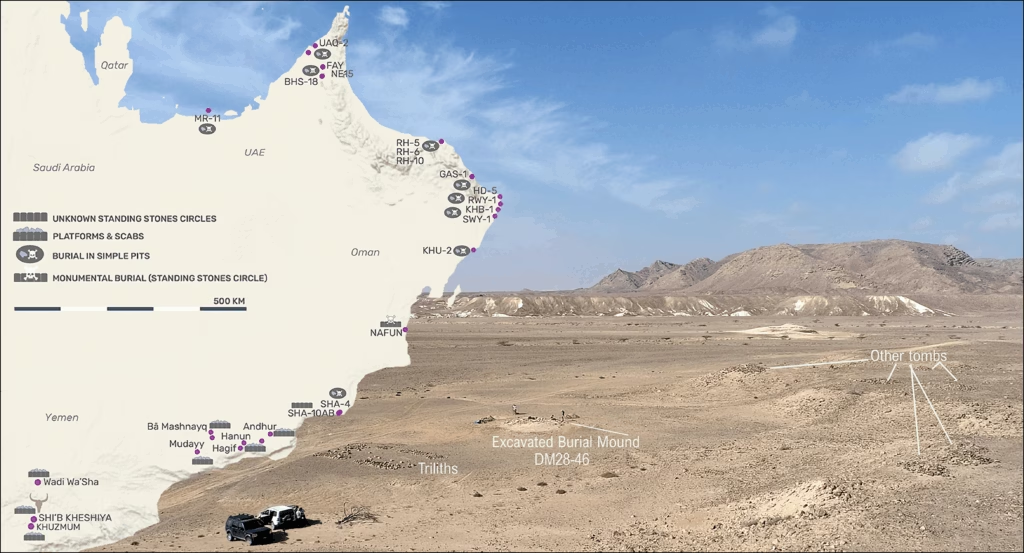
Archaeologists have uncovered a remarkable Neolithic tomb complex in Oman’s Nafūn Valley that combines monumental stone architecture with the collective burial of individuals from multiple Neolithic communities. Dating to the early 5th millennium BCE, the discovery provides unprecedented insight into Holocene Wet Period rituals, subsistence strategies, and social networks in South Arabia.
Monumental Architecture
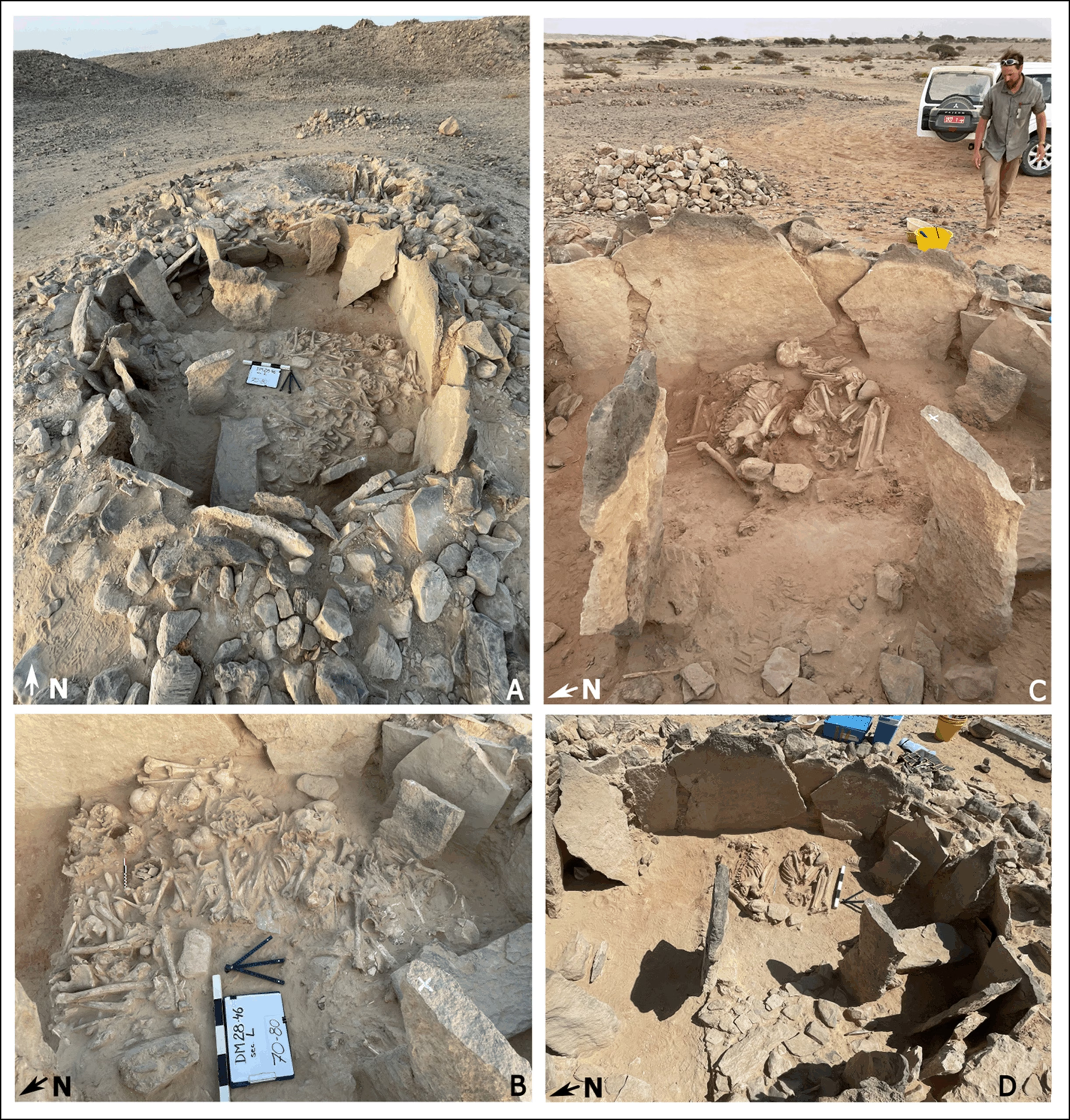
The DM28.46 site consists of two circular burial mounds, with Mound 1 fully excavated. Constructed from local limestone and dolomite slabs, the structure features a 1.5-meter-thick circular wall with four to five inner and one to two outer slab rows, filled with loose stones, gravel, and aeolian sand. The tomb chamber is slightly oval, measuring 6 meters east-west and 5.5 meters north-south, and reaches a depth of 1 meter.
At the western end, five thin stelae and an irregular stone “paving” mark an area interpreted as ritual or access space. The largest stela highlights the center, while smaller stones delineate the main burial area. The skeletons follow a crescent-shaped arrangement, with skulls along the walls and long bones oriented toward the chamber center.
Collective Burial Practices
Excavations revealed over 70 individuals, including men, women, and children, suggesting a communal burial tradition. Notably, two fully articulated skeletons of elderly men were found at the base, directly opposite the entrance, indicating special social roles. Stratigraphy shows that Mound 2 was constructed shortly after Mound 1, sharing both architectural design and burial practices, forming a unified funerary complex.
Over time, weathering and sediment accumulation affected bone preservation. Later deposits became less orderly, and skeletal remains were placed even in collapsed areas, reflecting continuous use and maintenance of the site over centuries.
Chronology and Isotopic Analysis
Radiocarbon dating from charcoal, marine shells, and human bioapatite indicates the complex was in use for over 300 years. Discrepancies between charcoal and shell dates reveal a marine reservoir effect, consistent with a diet rich in seafood. Bioapatite data confirm these individuals had a significant marine protein intake, with δ13C, δ15N, and strontium/oxygen isotopes pointing to mobility across up to 50 km and interactions with multiple communities.
Material Culture
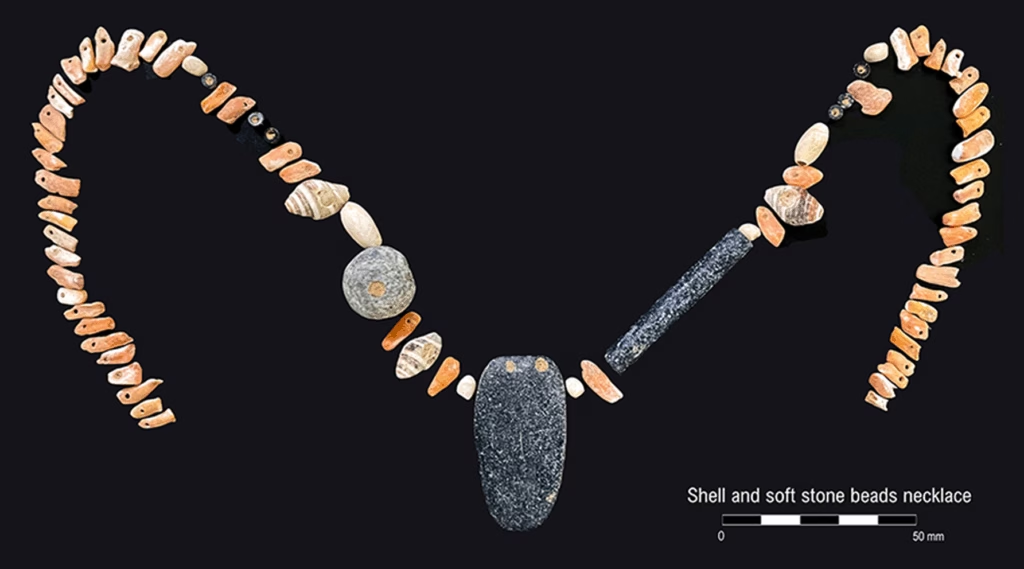
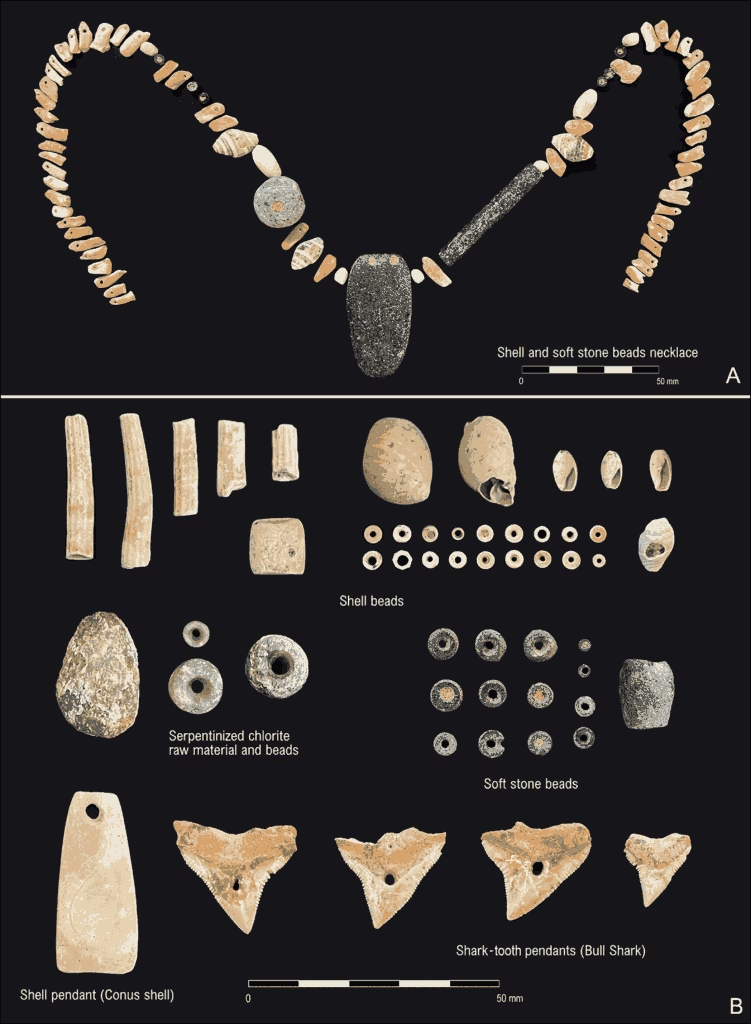
Personal ornaments include marine shells, soft stone beads, and shark tooth necklaces (Heterodontidae), highlighting a symbolic connection to the sea. A Neolithic rock art panel along the valley, together with finds from Mound 2 (shark teeth, stingray spines, bone fishhooks), reinforces this coastal relationship. During cleaning of Mound 2, a complete necklace made from Engina mendicaria and Spondylus shells was recovered, reflecting craftsmanship and ritual significance.
Subsistence Strategies
Isotopic evidence and bioapatite analyses indicate a mixed subsistence strategy, combining terrestrial and marine resources. Children’s tooth enamel and bone collagen reveal high marine protein consumption, suggesting a balanced adaptation to both inland and coastal environments. Future microfossil and proteomic studies on dental calculus are expected to provide further detail on diet and health.
Sociocultural Significance
The Nafūn Valley tomb represents the earliest known monumental tomb in South Arabia, and its construction and maintenance required strong coordination among local and migrant Neolithic communities. The complex served as a sociocultural hub, possibly reinforcing social ties, guiding filopatric behavior, and anchoring collective memory in the landscape. Its significance persisted across subsequent millennia as a focal point for regional ritual activity.
Despite partial preservation of skeletal remains, the site offers a rare opportunity to study Neolithic lifeways, social organization, and dietary strategies using modern bioarchaeological and geochemical methods. The discovery provides new perspectives on human resilience, social cohesion, and adaptive strategies in the Holocene Wet Period of South Arabia.
DOI: https://doi.org/10.15184/aqy.2025.10146
Antiquity