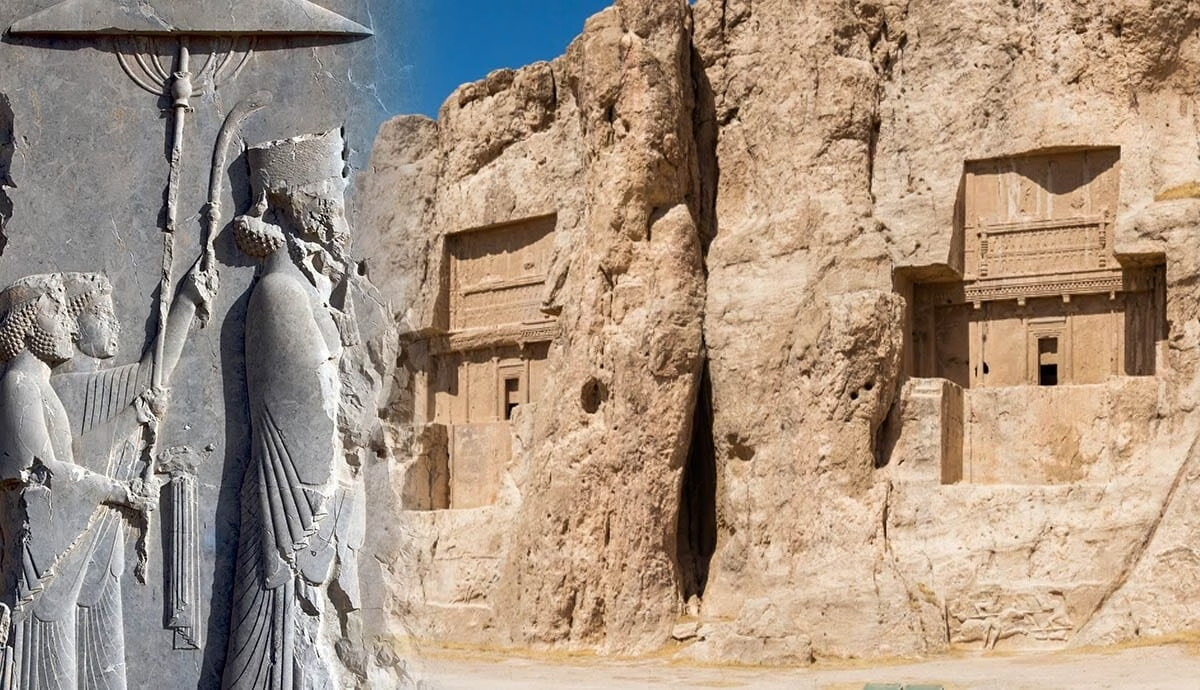
Amid growing concerns over the erosion of ancient stone reliefs, Iran is finalizing a long-term management and conservation plan for Persepolis, the UNESCO World Heritage site in Fars Province.
Mohammad-Javad Jafari, director of the Persepolis World Heritage Base, said: “The erosion of stone reliefs is a major national concern. That is why the master plan, which was initially drafted years ago, is now being revised and finalized as a comprehensive framework for management and preservation.”
57 Hectares Secured to Prevent Unregulated Development
According to Jafari, nearly 57 hectares of land surrounding Persepolis have been purchased to support tourism infrastructure, access control, and service upgrades. The measure is aimed at preventing uncontrolled construction and ensuring the long-term protection of both the site and its buffer zone.
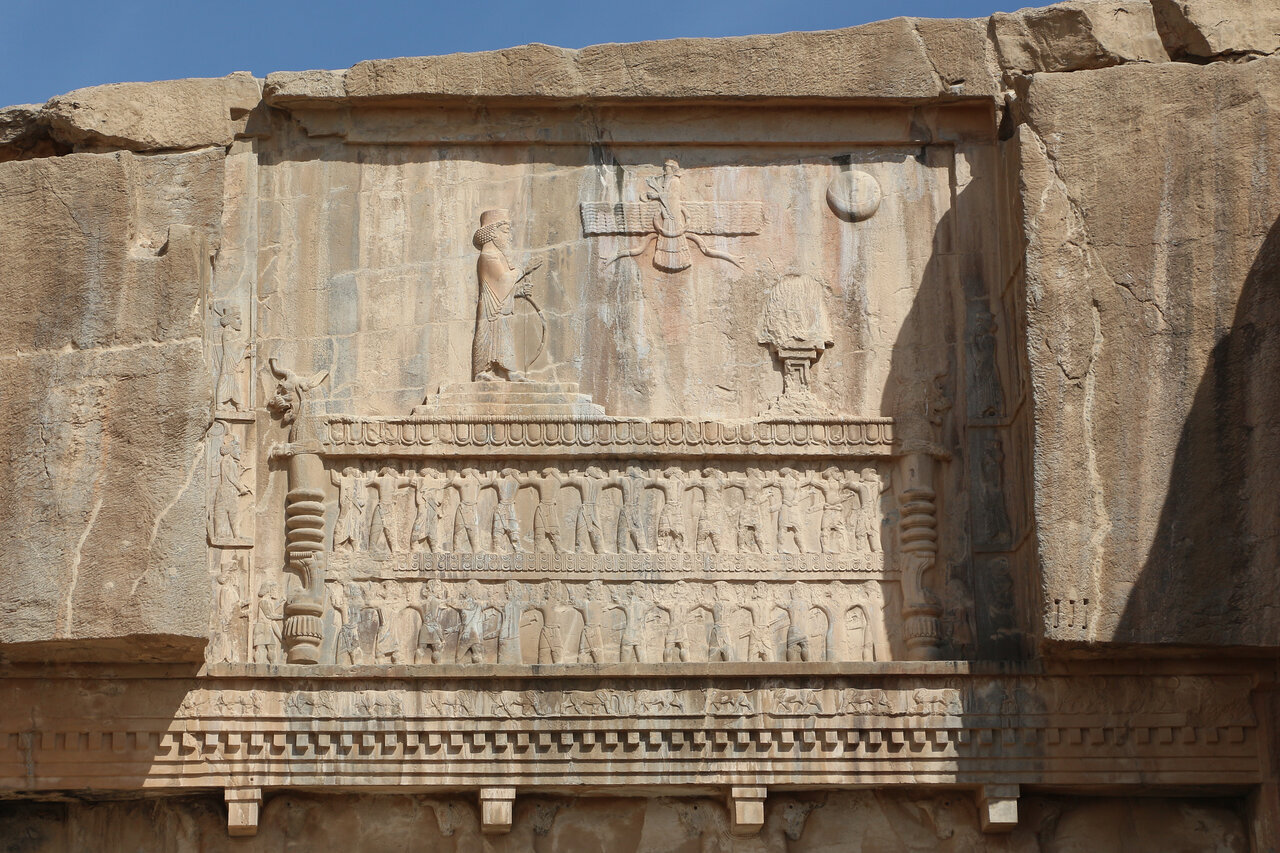
Restoration Projects: From Xerxes’ Tomb to the Apadana Palace
Ongoing conservation projects include the Tomb of Xerxes, the eastern portico of the Apadana Palace, and the Tripylon (Council Hall), with work soon to begin at the Hadish Palace and the Hundred-Column Hall. Moss removal is also underway on the northern portico of the Apadana.
Meanwhile, the Persepolis Museum is being expanded, with a new 400-square-meter gallery scheduled to open this autumn.
From Italian Cooperation to Iranian Expertise
International collaboration began years ago with Italian conservation teams, but Iranian specialists have since taken the lead, relying on local materials and advanced technologies. Jafari stressed that the master plan also seeks to re-establish international research partnerships through a scientific and sustainable approach.
New National Research Base at Istakhr
The Ministry of Cultural Heritage has also announced the creation of a new independent national archaeological base at the nearby site of Istakhr (Estakhr). This hub will allow for systematic excavations and long-term research projects.
Tourism Infrastructure: Scheduled for Spring 2026
The entrance axis of Persepolis is currently being redeveloped in coordination with Marvdasht county officials. The first phase is expected to open ahead of Nowruz in March 2026. Plans also include night lighting, landscaped surroundings, and improved visitor access to Naqsh-e Rostam.
A 2,500-Year-Old Capital
Founded by Darius the Great around 518 BC, Persepolis—also known as Takht-e Jamshid—served as the ceremonial capital of the Achaemenid Empire. It was burned by Alexander the Great in 330 BC, yet its monumental terrace and ruined palatial complex, including the Apadana Palace and the Hundred-Column Hall, remain among the world’s foremost archaeological landmarks.