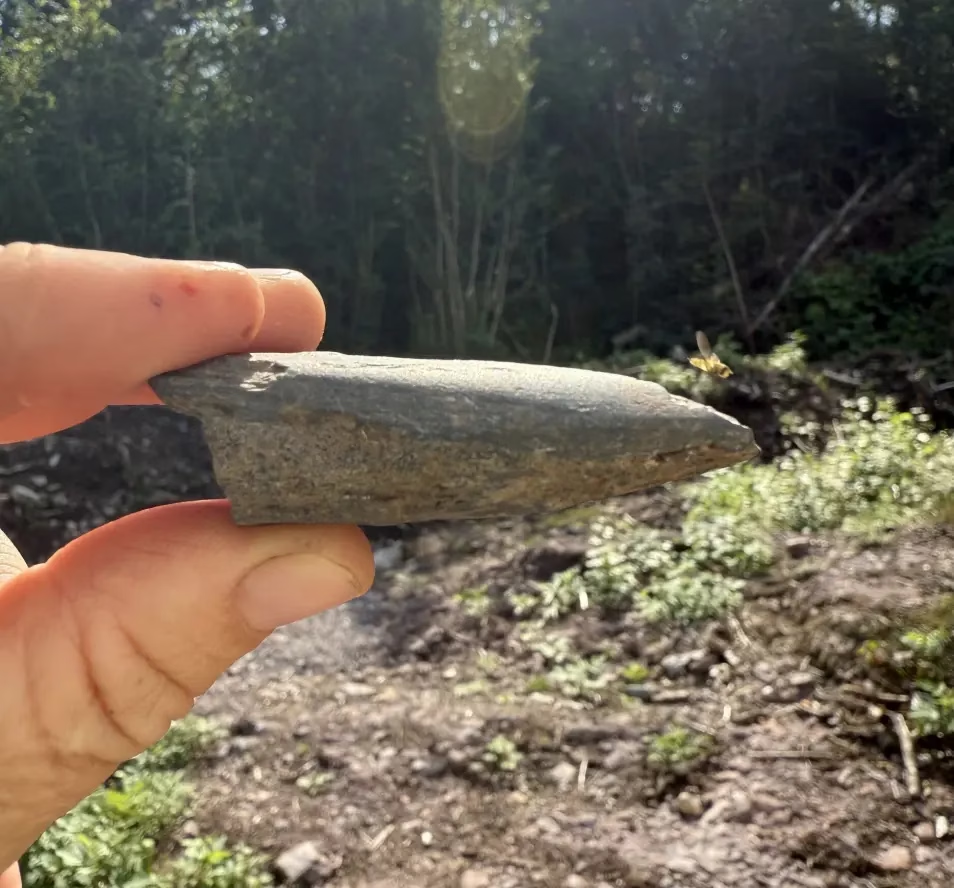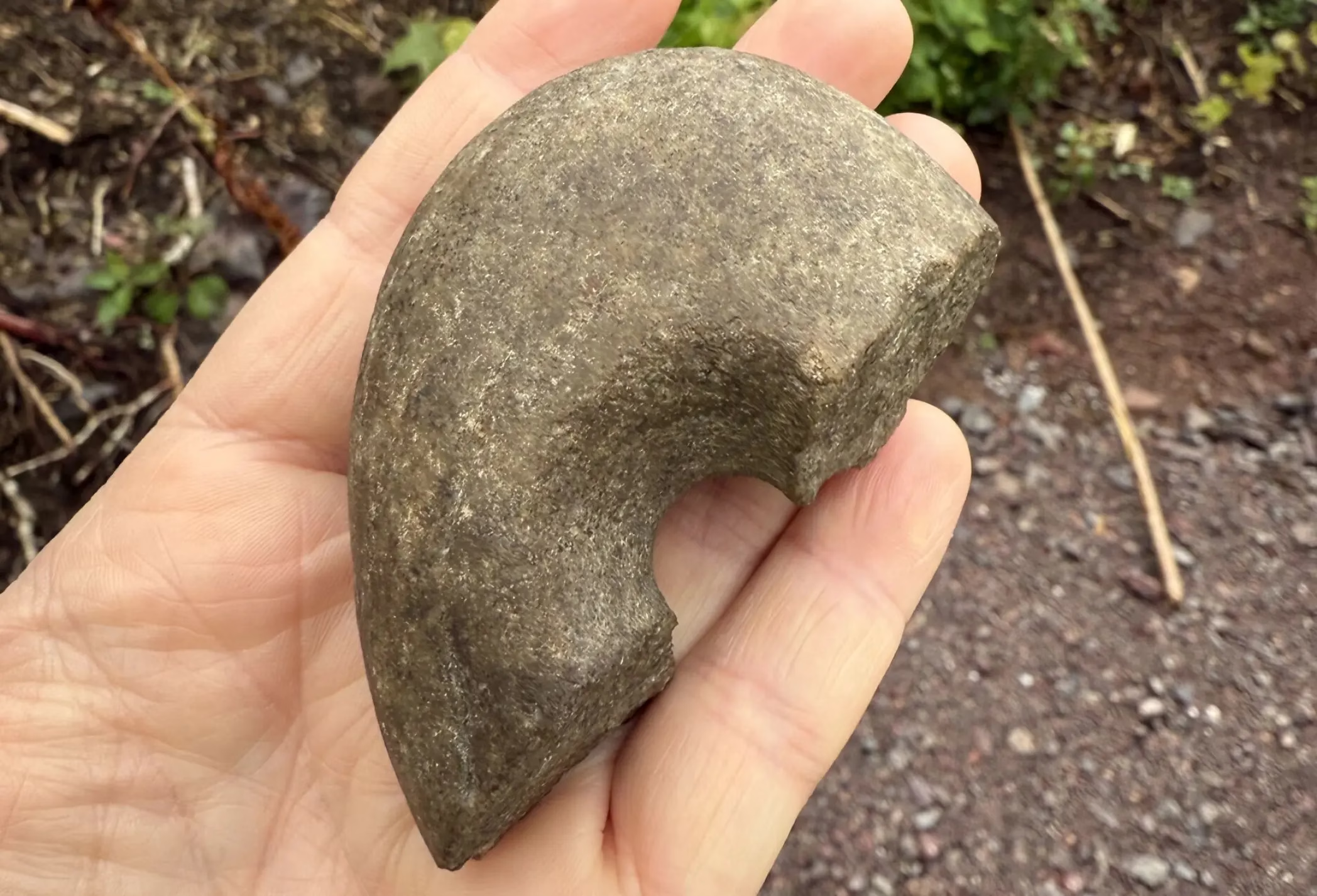
Archaeologists in Eastern Norway have uncovered a rare 9,000-year-old shaft-hole club — essentially a Stone Age hammer — during excavations in Horten, a site that has turned out to be far richer than expected. What began as a small survey ahead of a bike path project has revealed the traces of a settlement, a house foundation, and thousands of artefacts, offering new insights into life in Scandinavia’s Early Stone Age.
A Unique Tool With Symbolic Meaning
The discovery of the hammer fragment stands out among more than 5,000 objects collected from the site. The carefully drilled hole through the stone shows clear signs of human craftsmanship. According to excavation leader Silje Hårstad from the Museum of Cultural History, the club head bears wear marks suggesting it was used as a pounding tool — a kind of prehistoric hammer — though such objects may also have carried symbolic or ritual significance.
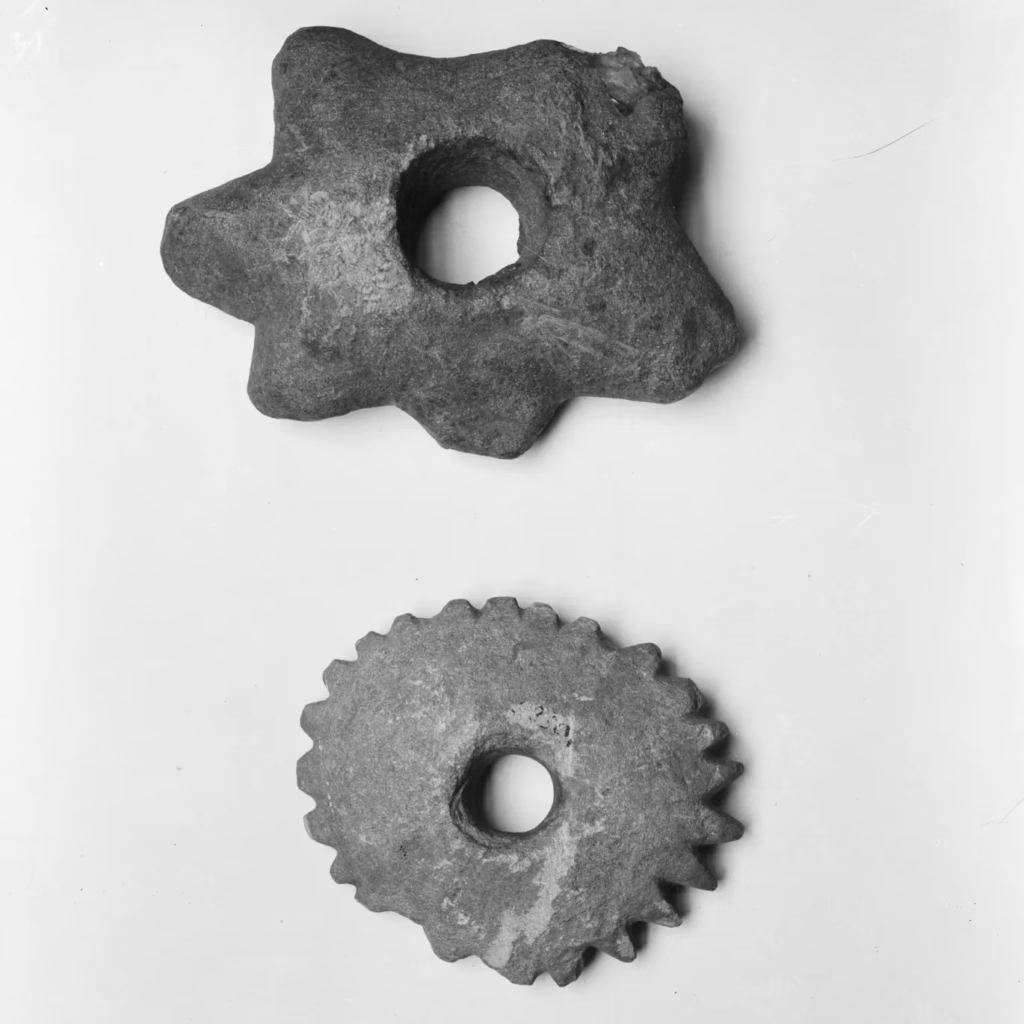
Shaft-hole clubs are rare and usually found broken. Some known examples are intricately carved into star shapes or decorated with engravings, which suggests that beyond their practical uses, they may have been status symbols reserved for skilled hunters or community leaders.
A Time Capsule of Daily Life
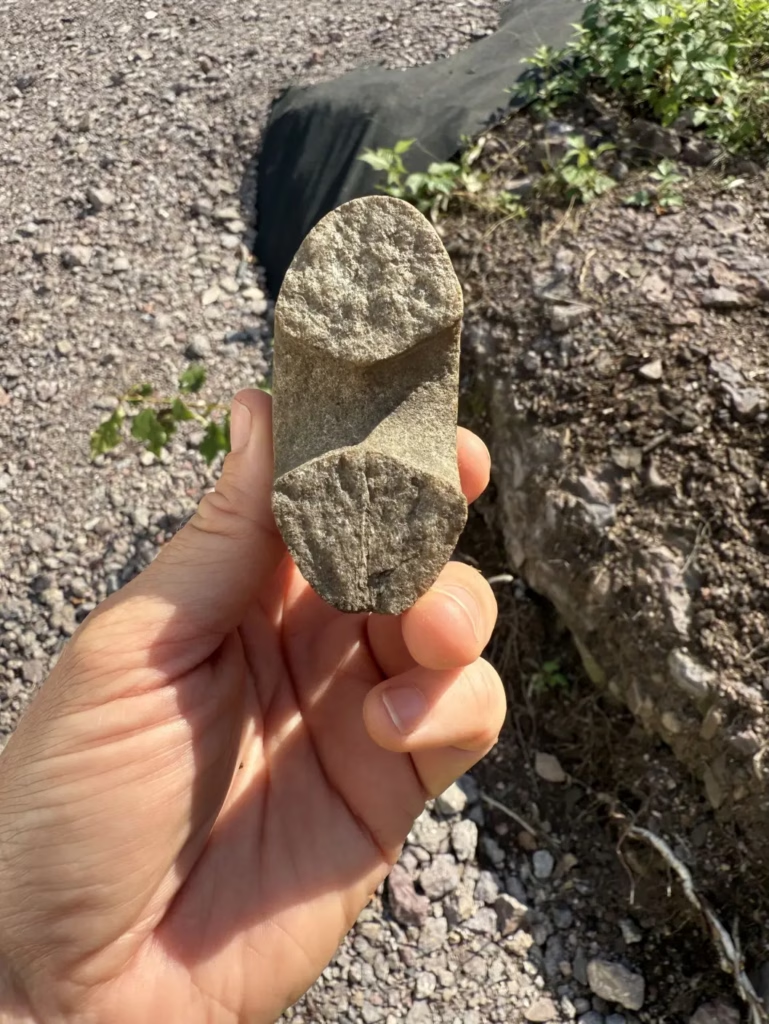
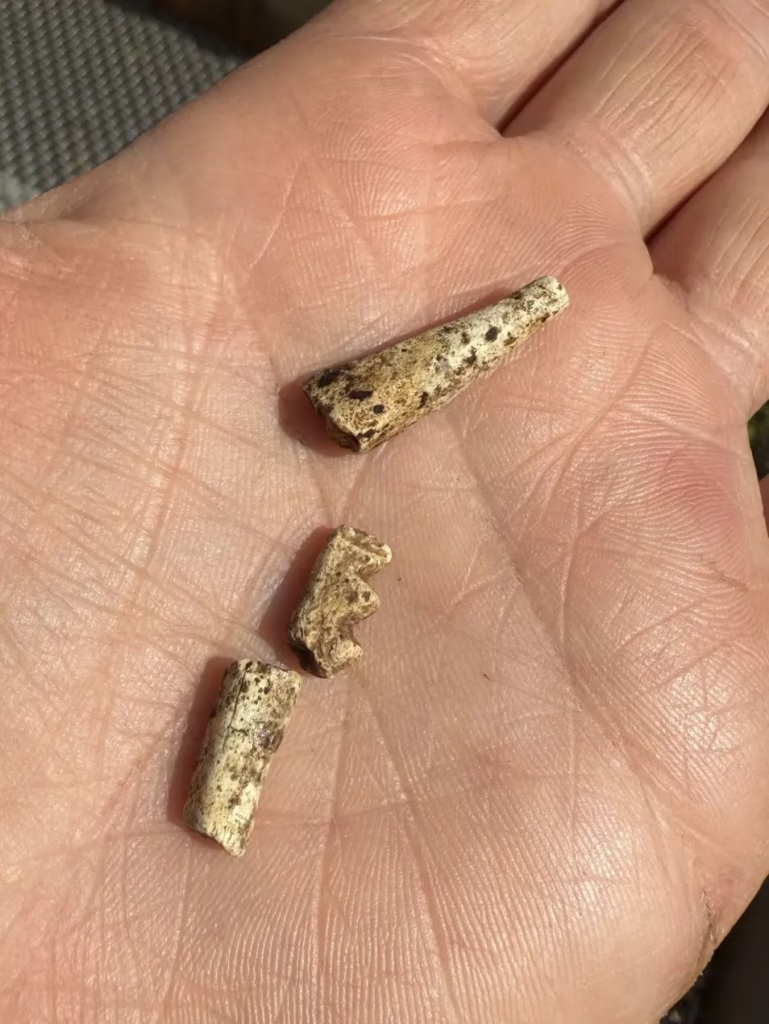
The Horten settlement has produced not only stone axes and the rare club head, but also fragments of fishhooks, burnt bone remains, and traces of a 10-square-metre hut. The structure, likely covered with bark mats, indicates a community that invested resources in permanent construction rather than temporary shelters.
The shoreline in this region lay nearly 70 metres higher than today, meaning the settlement once stood on a sheltered cove suitable for docking boats and butchering animals. Burnt bone fragments will be analysed to reveal the diet of these Stone Age people — whether it was dominated by seafood like seals and seabirds, as at nearby sites, or included large land animals.
Hazelnuts, discovered charred at the site, will be carbon-dated to provide a precise age. Archaeologists note that hazelnuts were widely gathered in the period and may even have been deliberately cultivated, a practice that hints at early forms of resource management.
Shifting Patterns in the Early Stone Age
Specialist Knut Andreas Bergsvik of the University of Bergen highlights that the finds reflect a cultural transition around 9,000 years ago. Earlier groups had been highly mobile, but by this period communities were settling for longer durations, investing in sturdier homes, fishing more intensively, and experimenting with new tools.
“This site captures that technological and economic shift,” Bergsvik explains. “It is rare to find so many well-preserved remains in Eastern Norway, where acidic soils usually destroy organic material.”
More Than Just a Hammer
Although the shaft-hole club is the headline object, archaeologists stress that the true importance of the discovery lies in the broader picture. The settlement represents a snapshot of daily life during the Middle part of the Early Stone Age, a period of profound change in Scandinavia.
As Hårstad notes, “It’s like opening a small time capsule. Every object — from the fishhooks to the house floor — tells us how these people lived, what they ate, and how they adapted to their environment.”