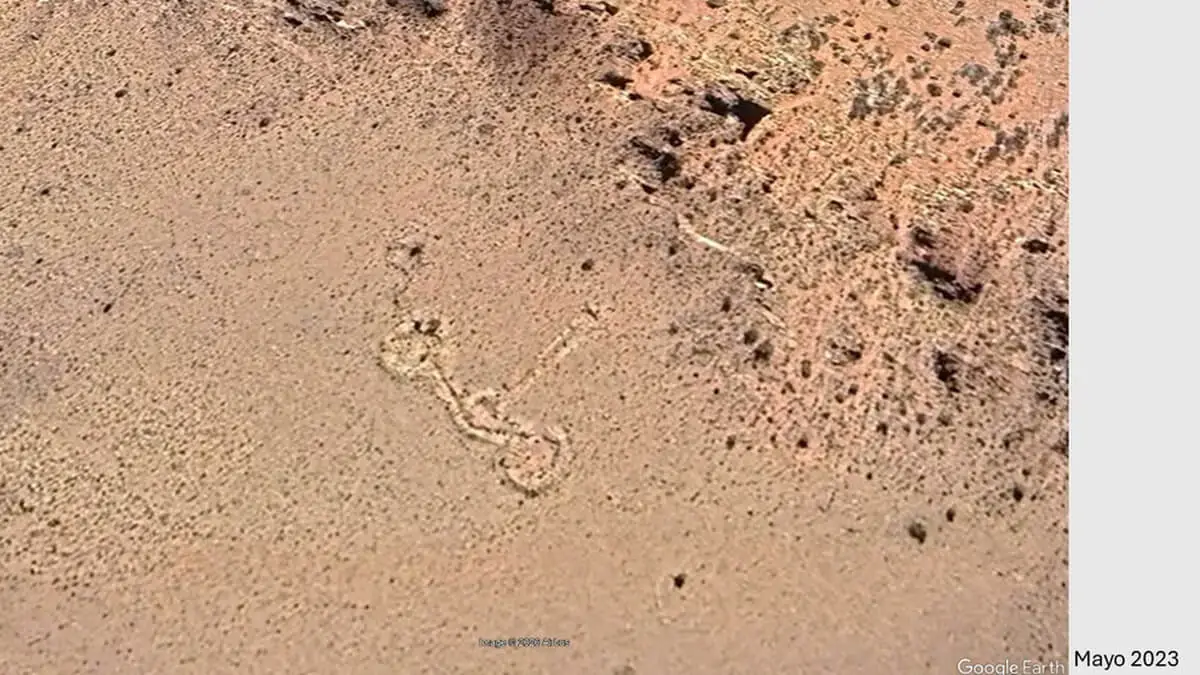
High in Argentina’s Andes, a mountaineer searching satellite images noticed a pattern of circles and passages on a remote mountainside. After two failed attempts to reach the spot, he found the stone structures on the ground. Archaeologists are now investigating whether the complex once held ritual or symbolic meaning.
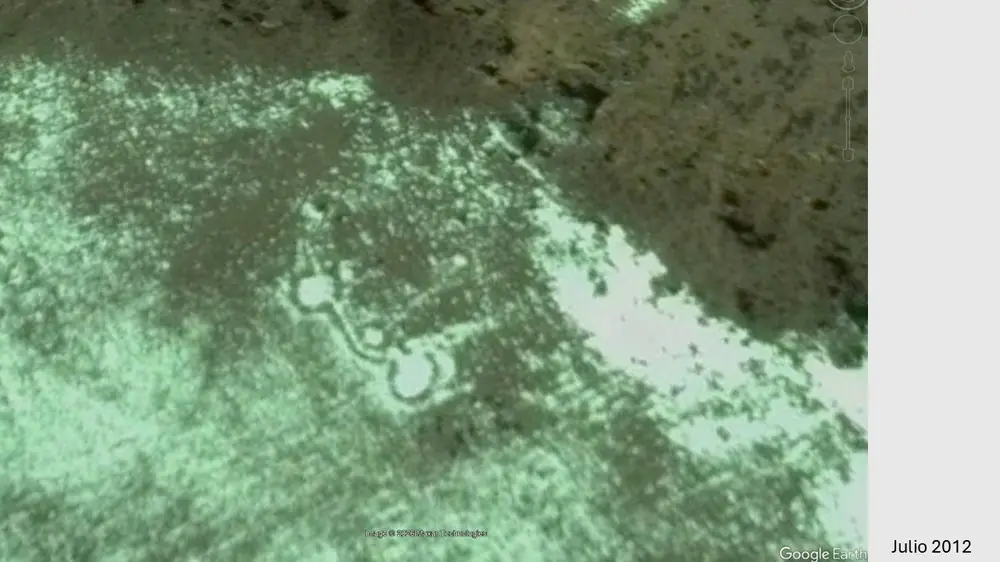
The site lies more than 3,000 metres above sea level near the Cordillera del Tigre in Mendoza province. Low stone walls are difficult to follow across the rugged terrain, but satellite images reveal a broader arrangement of circles, corridors and rectangular areas. Researchers say they know of no comparable site documented in Mendoza. Its age, builders and purpose remain unknown.
From satellite image to mountain expedition
Carlos Gobbi had spent nearly 30 years looking for places of archaeological interest in Mendoza’s mountains. He had heard accounts of old stone walls in the Cordillera del Tigre, but it was not until May 2025 that he spotted unusual geometric shapes in the area on Google Earth.
Reaching them proved far harder than finding them on a screen. Gobbi made unsuccessful trips in September and November 2025. On 14 February 2026, he finally arrived with Adrián Radich and Gabriel Orofino after a journey of almost four days through an area without nearby water or phone signal.
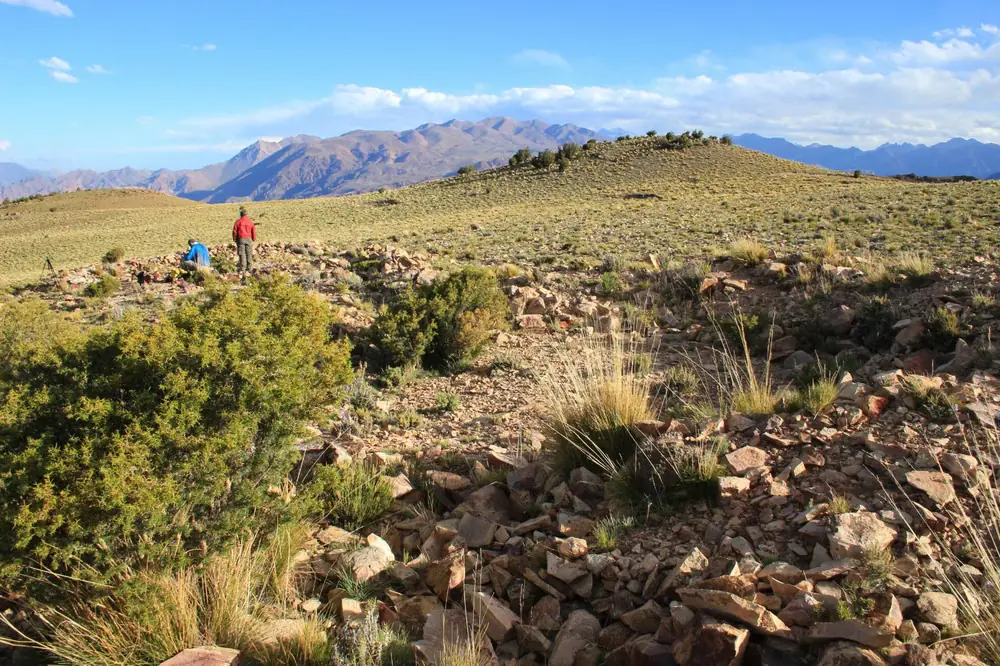
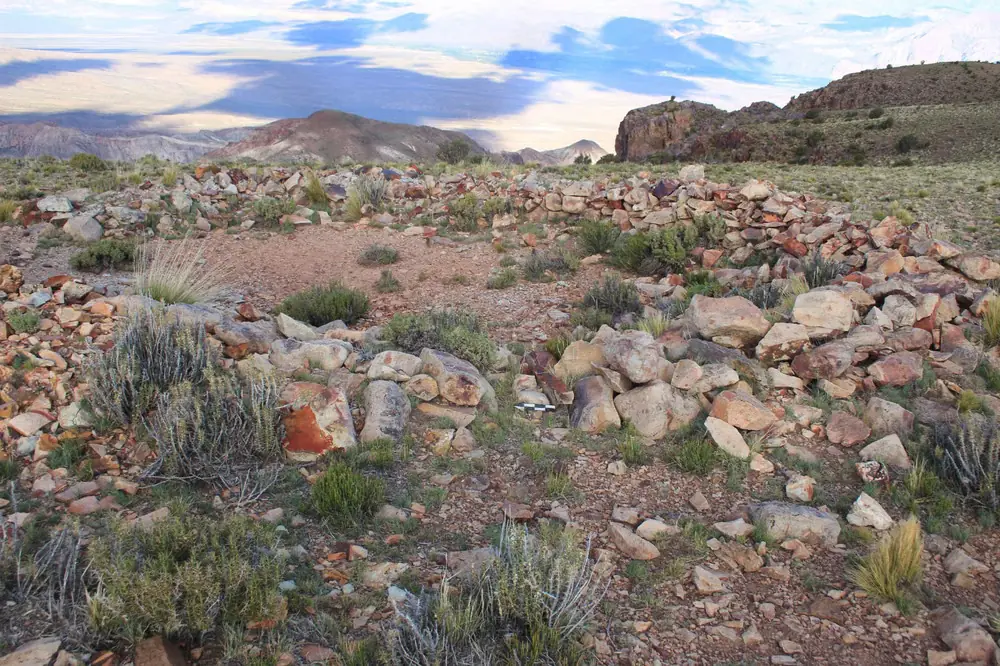
The three men found stone walls forming passages and circular spaces. Some stones were partly buried in trench-like features, while other walls stood above the ground. The circles they examined measured approximately 27 to 35 metres across and appeared to connect through corridors.
Gobbi photographed the structures and showed his findings to archaeologists Cristina Prieto-Olavarría and Horacio Chiavazza. Their investigation is still at an early stage: the February visit established what could be seen at the site, but a systematic archaeological survey has yet to take place.
A possible sacred place, still undated
From above, the arrangement has prompted comparisons with Peru’s Nazca Lines. The Mendoza researchers are examining whether the site could be described as a geoglyph, but they have not established what its design meant or when it was made.
Gobbi and his companions did not report pottery, food remains or other surface material that would point to people living there permanently. That observation, along with the site’s difficult access and lack of nearby water, has led the archaeologists to consider a ritual or symbolic use. It cannot, on its own, establish the site’s function.
An association with the Inca period is one possibility under consideration. The structures could also be older. Until researchers find evidence that can date them, neither explanation can be confirmed.
The questions ahead
The investigation forms part of ArqueoAndes, a collaboration involving specialists in Argentina and Spain. Prieto-Olavarría, a researcher at IANIGLA-CONICET, directs the project, with Chiavazza as codirector. They plan to visit the site with researchers from the University of Jaén in December 2026, with Gobbi serving as their guide.
The team intends to map the structures, survey the surrounding ground and study sediments and the area’s environmental history. Those studies may help establish when the complex was built, whether water was once available nearby and how people used this high mountain setting.
The circles are clear in satellite images, and Gobbi’s expedition confirmed stone structures on the mountainside. The planned archaeological survey may finally show when they were built and whether this remote place held a sacred meaning.
Cover Image: Satellite image showing connected stone circles in Argentina’s Cordillera del Tigre. Image: Google Earth, via Los Andes.