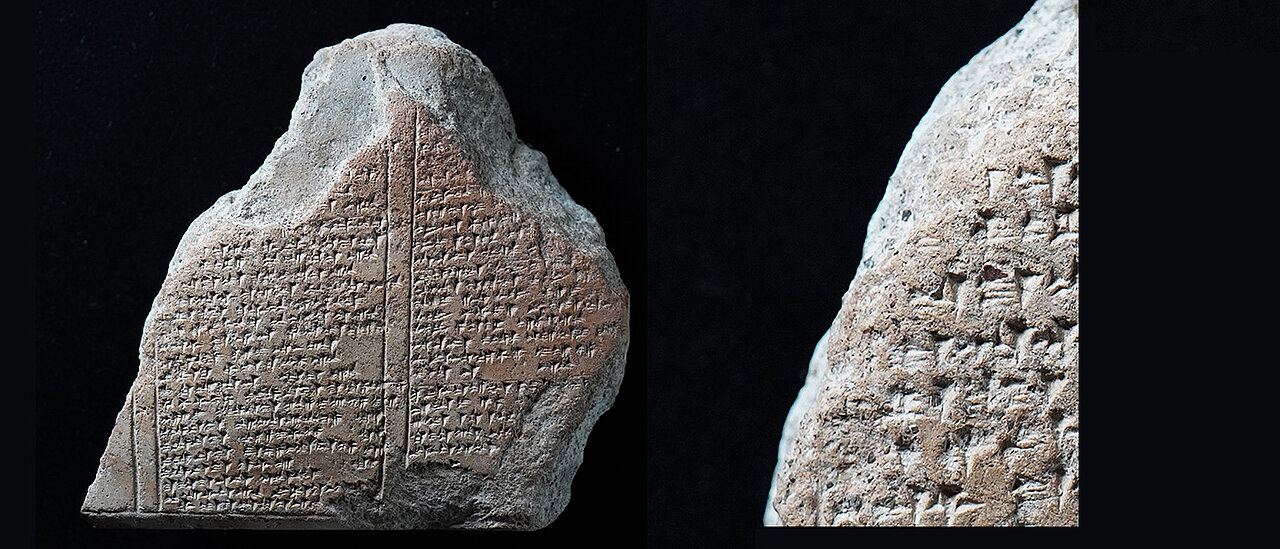
A broken Hittite tablet may look like little more than clay, damage and rows of wedge-shaped marks. But inside those marks, researchers can sometimes find something more personal: the hand of an ancient scribe.
A new AI-powered tool called Palaeographicum is helping scholars identify those traces in Hittite cuneiform tablets. The system does not translate ancient texts automatically. Instead, it recognizes individual cuneiform signs in digitized photographs, extracts them and places them in comparison tables.
For researchers working with thousands of broken tablet fragments, that can make a slow and difficult process far faster.
Reading the hand behind the signs
The Hittites were one of the major powers of the Late Bronze Age. Centered in Anatolia, in present-day Türkiye, their kingdom left behind one of the richest cuneiform archives of the ancient Near East. These tablets preserve royal treaties, ritual texts, myths, diplomatic letters and administrative records.
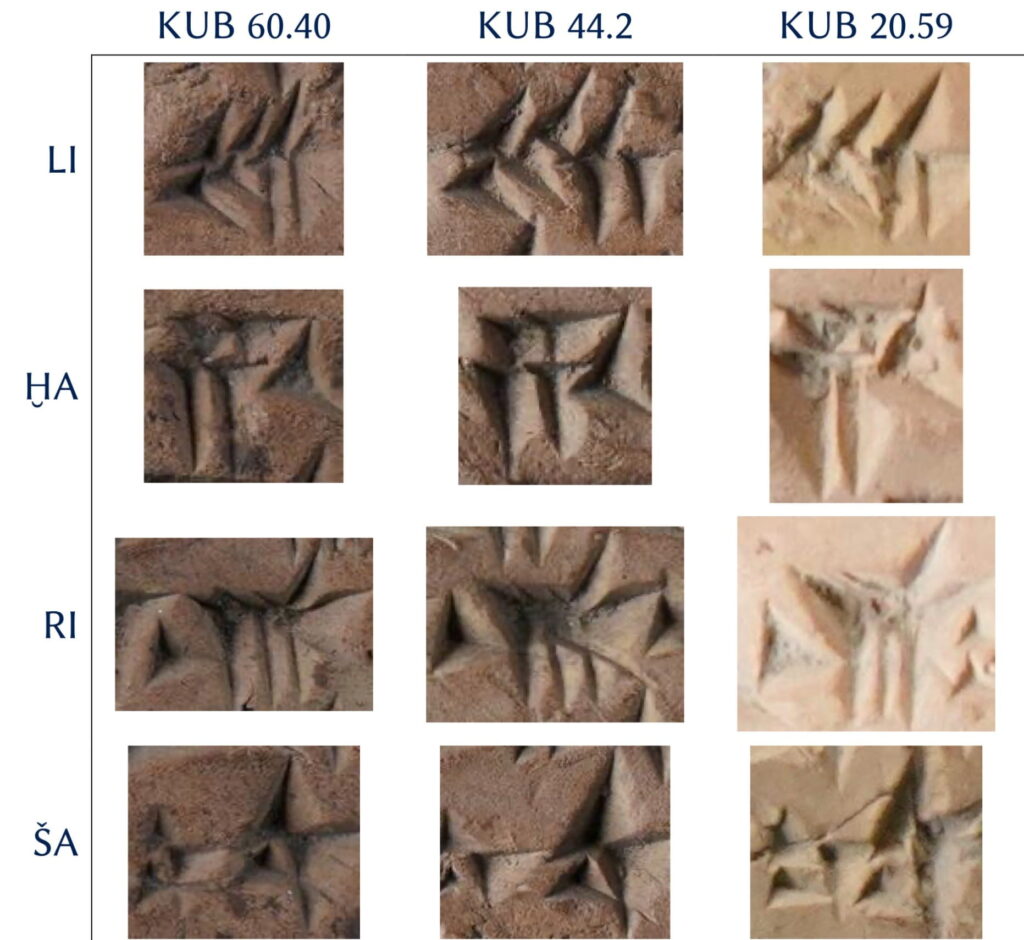
Many of them, however, survive only in fragments. Over thousands of years, clay tablets broke apart, and their pieces were dispersed across museums and collections. Before a complete document can be studied, scholars often need to answer a basic question: which fragments once belonged together?
That is where handwriting matters.
Although cuneiform signs were pressed into wet clay with a stylus, they were not identical from one scribe to another. Some scribes placed wedges with distinctive spacing. Others used particular angles, pressure or small flourishes. To a trained eye, these details can reveal whether two fragments may have been written by the same hand.
Millions of signs in one system
Palaeographicum brings that comparison into the digital age. The current version gives researchers access to more than 5 million cuneiform sign attestations from around 70,000 digitized photographs.
The tool searches tablet images, identifies specific signs and arranges them visually so that scholars can compare them more quickly. In one case described by the project, signs from three separate fragments were analyzed and shown to belong to a single tablet.
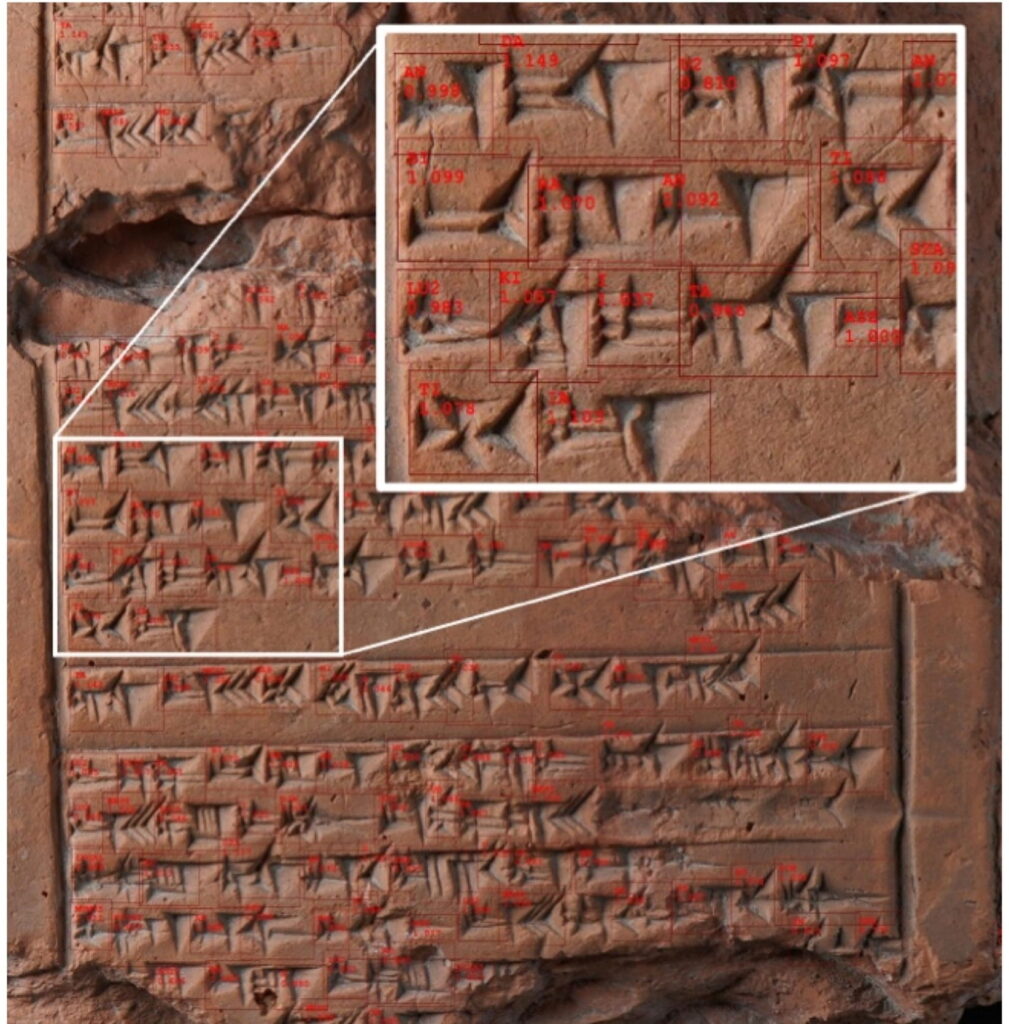
The time saved is significant. According to the research team, comparing selected signs on five tablet fragments could previously take about three days. With Palaeographicum, the same type of comparison can now be done in about five minutes.
That does not replace philologists. The final interpretation still depends on specialists who understand the language, the script and the historical setting. But the AI reduces the long visual search that has made this work so demanding.
Why it matters for Hittite studies
The tool may also help with dating. Hittite tablets usually do not carry dates, so scholars often rely on language, content, archaeological context and paleography to place a text in time.
Since handwriting styles changed over the centuries, the shape of individual cuneiform signs can provide important clues. Palaeographicum helps researchers compare those forms on a much larger scale than before.
The long-term goal is even more ambitious: training the AI to recognize the handwriting of individual ancient scribes. If successful, researchers could begin to trace what particular scribes wrote over their careers and how writing practices worked inside the Hittite state.
For now, the tool gives scholars a faster way to see whether scattered pieces of clay still carry the same ancient hand. In the world of Hittite cuneiform, that may be enough to turn an isolated fragment into part of a text returning to shape.
Cover Image: A roughly 10-centimeter-wide cuneiform tablet containing a festival ritual. The close-up reveals the worn surface, while AI helps researchers recognize the signs. Photo: Daniel Schwemer / University of Würzburg.