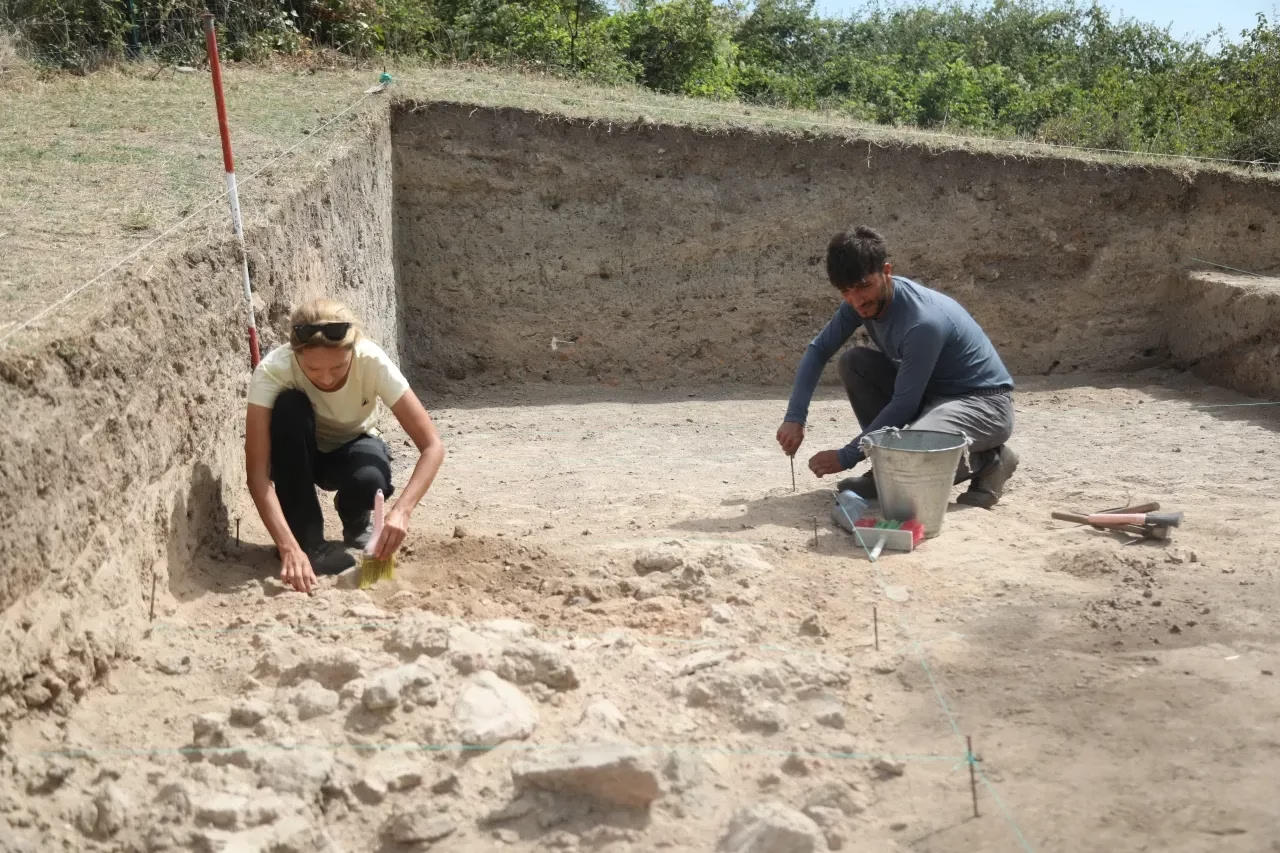
New findings from the prehistoric settlement of İkiztepe, located in northern Turkey’s Samsun province, are reshaping our understanding of ancient food culture. Archaeologists have identified layers of soil containing Mediterranean mussel shells dating back to the 4th millennium BC, evidence of early seafood consumption and resource transport in the Black Sea region.
A Landmark Excavation Site in Anatolia
İkiztepe, a multi-layered mound near the Kızılırmak Delta, has been continuously excavated for over five decades, making it one of the longest-running archaeological studies in Turkey. Research shows uninterrupted habitation between 4500 and 2000 BC, placing the site at the heart of Anatolia’s early urban development.
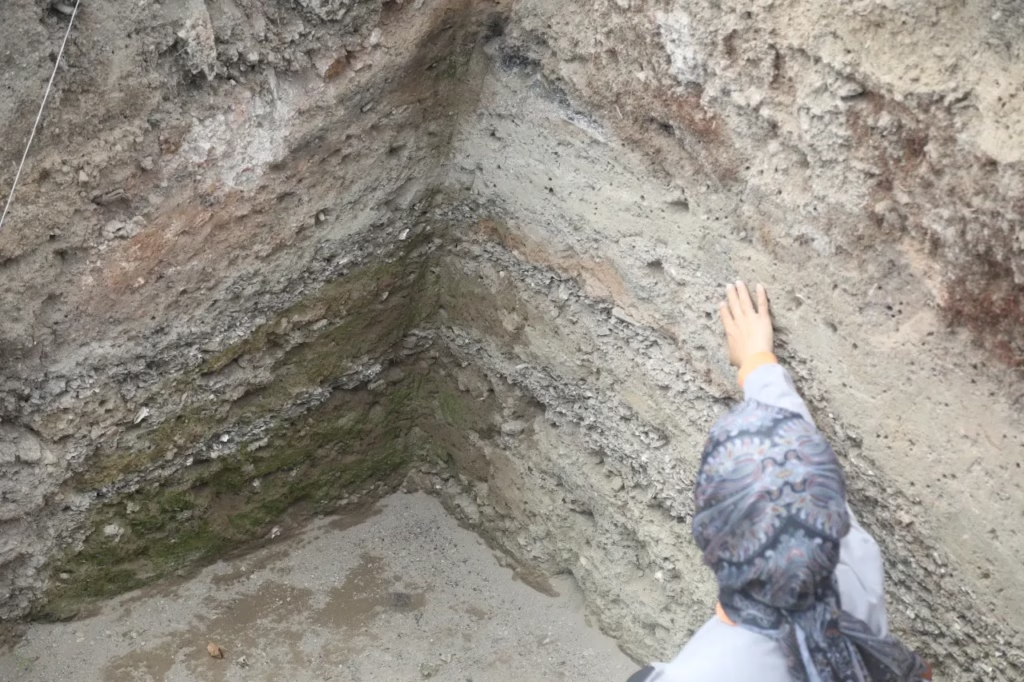
Assoc. Prof. Aslıhan Beyazıt, leading the excavation on behalf of Istanbul University and the Ministry of Culture and Tourism’s “Heritage for the Future” program, highlighted İkiztepe’s global significance, describing it as “a living archive of prehistoric Anatolia.”
Clues Hidden in Green Sediment
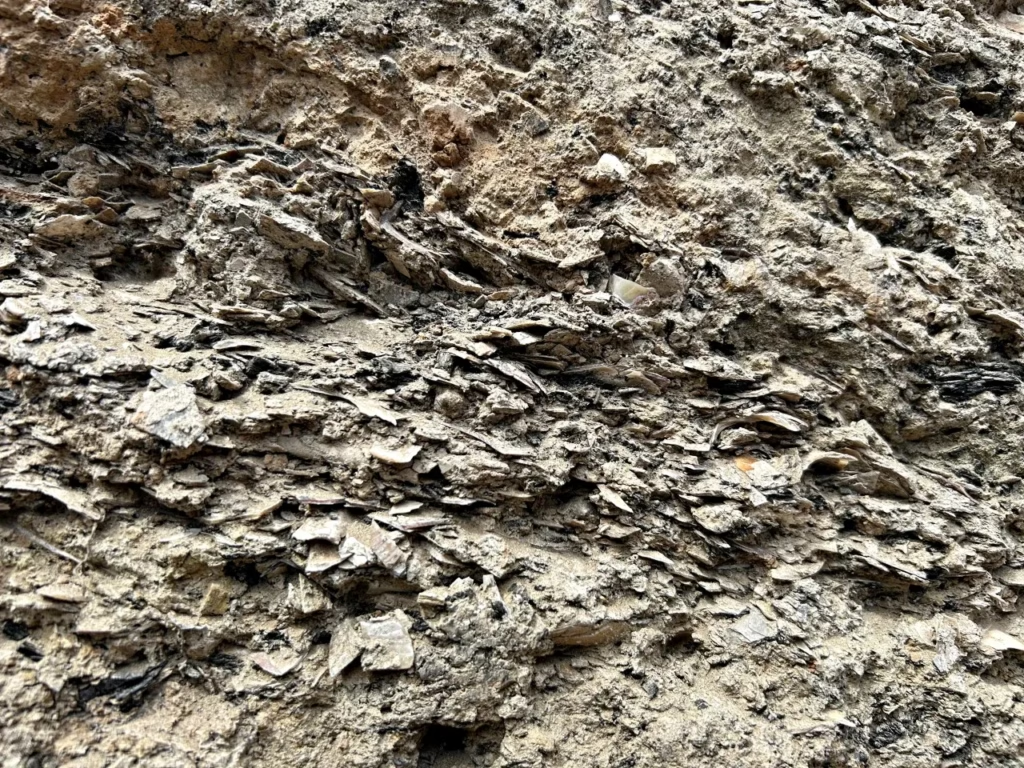
A distinctive green sediment layer packed with mussel shells has become one of this year’s most striking discoveries. Laboratory analysis at Istanbul Technical University confirmed the shells belong to Mediterranean mussels, a species still consumed today.
“The evidence suggests these mussels were collected in nearby lagoons and brought to the settlement with their sand, offering rare insights into food transport and dietary preferences 4,500 years ago,” Beyazıt explained.
Reconstructing Prehistoric Lifestyles
The excavation team’s work extends beyond artifact recovery; it aims to reconstruct how climate shifts and environmental dynamics influenced trade, diet, and community organization. İkiztepe continues to serve as a reference point for understanding life in northern Anatolia before the rise of large Bronze Age city-states.