More than nine centuries after the armies of Byzantium and the Seljuks confronted one another near Manzikert, archaeologists have uncovered evidence from the tense days that preceded the battle.
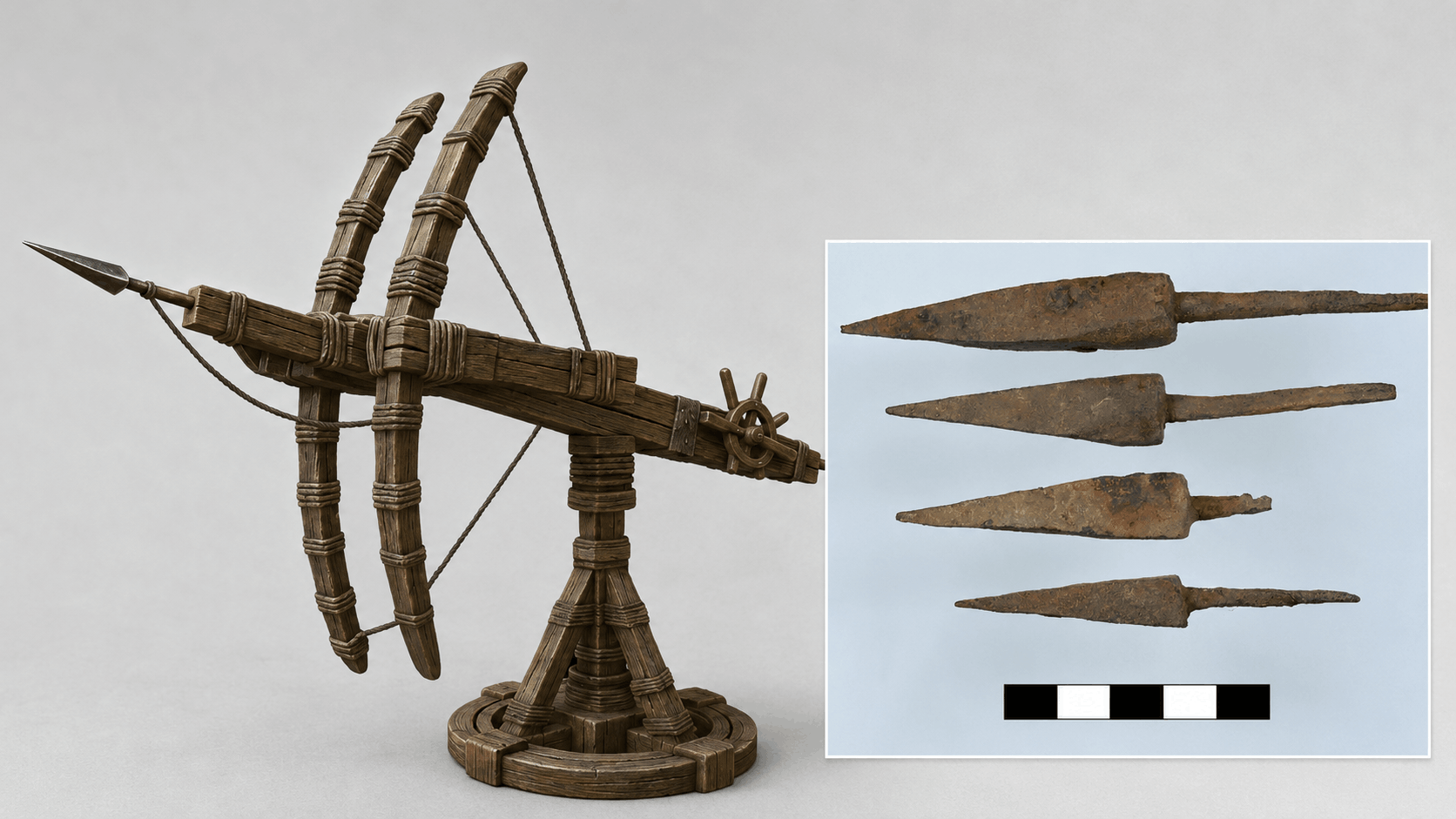
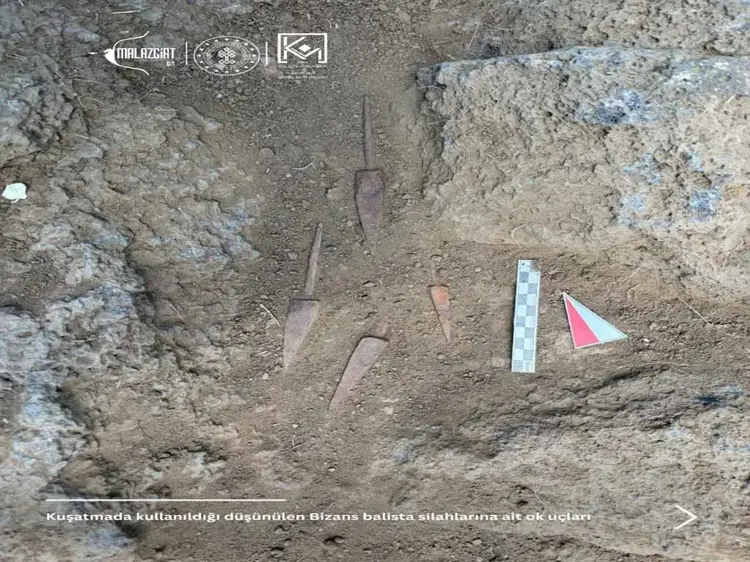
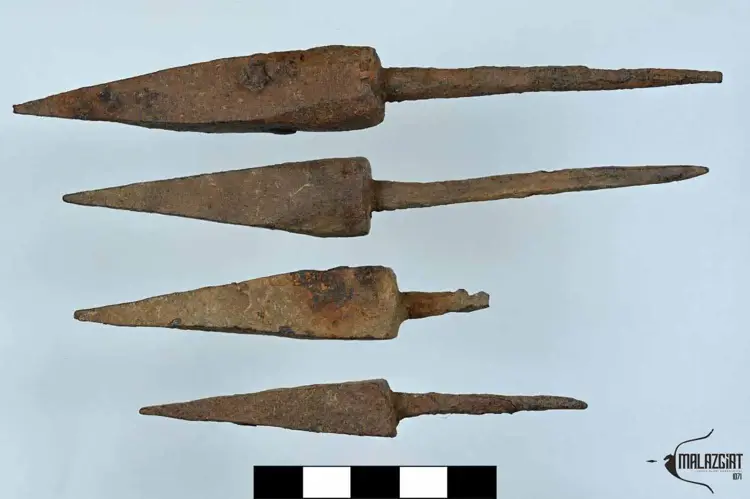
Four iron ballista bolt heads have been found at Taşbaşı, a strategic area about 500 metres southeast of the inner fortress of Malazgirt in eastern Türkiye. Preliminary analysis dates the objects to the 11th century and identifies them as part of Byzantine military equipment.
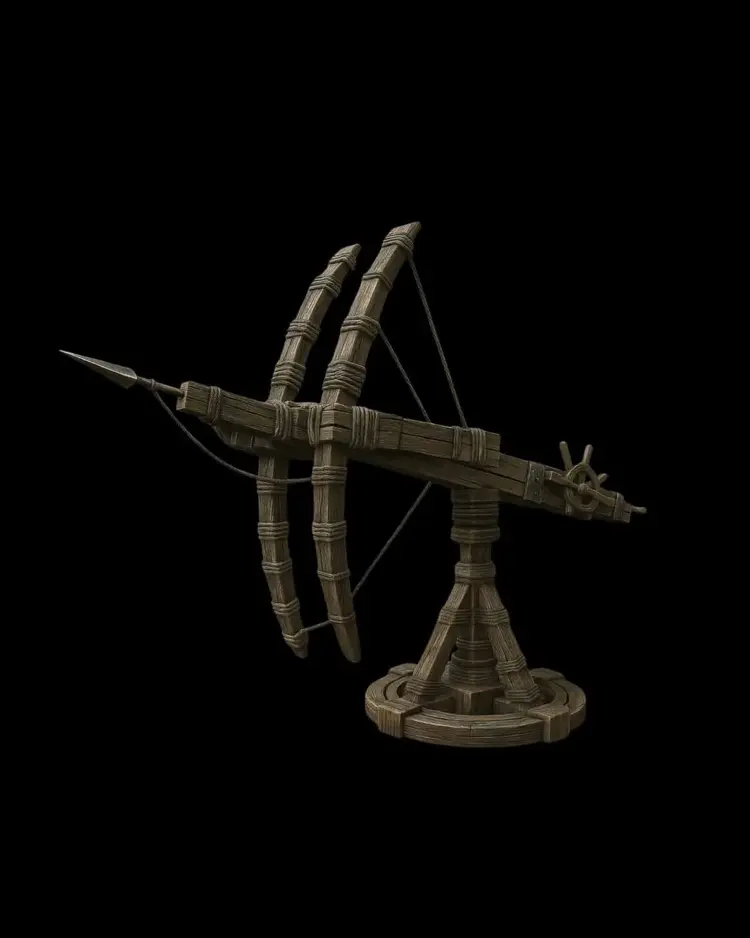
The projectiles were designed for mechanical bolt-throwing weapons often compared to giant crossbows. Larger and heavier than ordinary arrows, such bolts could be launched against defenders and fortified positions during a siege.
The discovery offers a physical trace of the Byzantine assault on Manzikert shortly before the battle that transformed the political balance of medieval Anatolia.
The Siege Before the Famous Battle
Byzantine Emperor Romanos IV Diogenes reached Manzikert during a major eastern campaign intended to reassert imperial authority along the frontier.
Historical accounts place the siege of the fortress on August 22–23, 1071. Only a few days later, on August 26, Romanos confronted the army of Seljuk Sultan Alp Arslan near Manzikert.
The battle ended in a Byzantine defeat and the capture of the emperor. Although the clash did not immediately bring Byzantine rule in Anatolia to an end, the political instability and military weakness that followed created conditions for expanding Turkish settlement and power across the region.
For that reason, Manzikert is remembered not simply as a battlefield, but as a major turning point in the history of Anatolia and the wider eastern Mediterranean.
The newly discovered projectiles appear to belong to the earlier phase of the campaign, when the Byzantine army was still attempting to secure the fortress.
Taşbaşı’s Strategic Role
The ballista bolts were not isolated finds. Previous archaeological work at Taşbaşı uncovered numerous siege arrowheads and Byzantine coins.
Together, the objects strengthen the interpretation that the area was directly connected with Byzantine military operations around the fortress. The concentration of weapons suggests that Taşbaşı occupied an important position during the siege, although its exact function has yet to be fully established.
The location had already played a role in an earlier confrontation. In 1054, Seljuk Sultan Tughril Beg also laid siege to Manzikert, demonstrating the fortress’s importance decades before the better-known events of 1071.
Its position on the eastern frontier made Manzikert a valuable stronghold for both Byzantine and Seljuk forces.
Archaeology Reconstructs the 1071 Campaign
The archaeological project to identify the Manzikert battlefield began in 2020 with the support of Türkiye’s General Directorate of Cultural Heritage and Museums.
Researchers are examining the landscape surrounding Malazgirt in an effort to connect physical remains with the movements and military actions described in historical sources.
The latest finds do not reveal the precise location of the main clash between Romanos IV and Alp Arslan. Instead, they illuminate the operations that led to it.
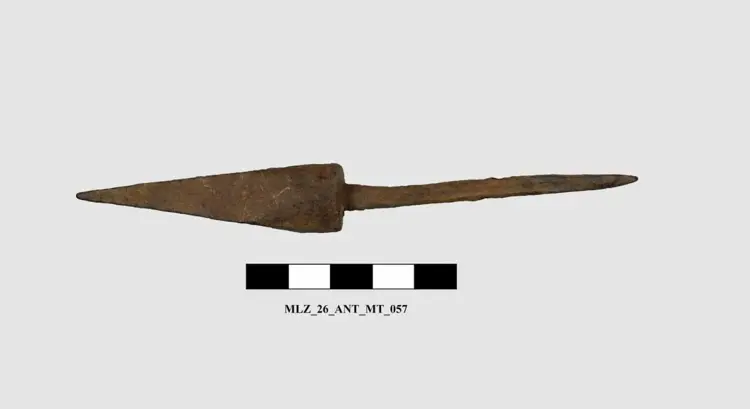
Weapons, coins and other small finds can reveal where soldiers gathered, where siege equipment was deployed and how the landscape was used during the campaign.
The four corroded iron bolts are modest objects, but they preserve a direct connection to the Byzantine army’s final preparations before Manzikert. They come from a moment when Romanos IV still commanded a powerful imperial force and the outcome of the campaign remained uncertain.
Days later, the emperor would be a prisoner, and Anatolia would begin a profound political transformation.