-
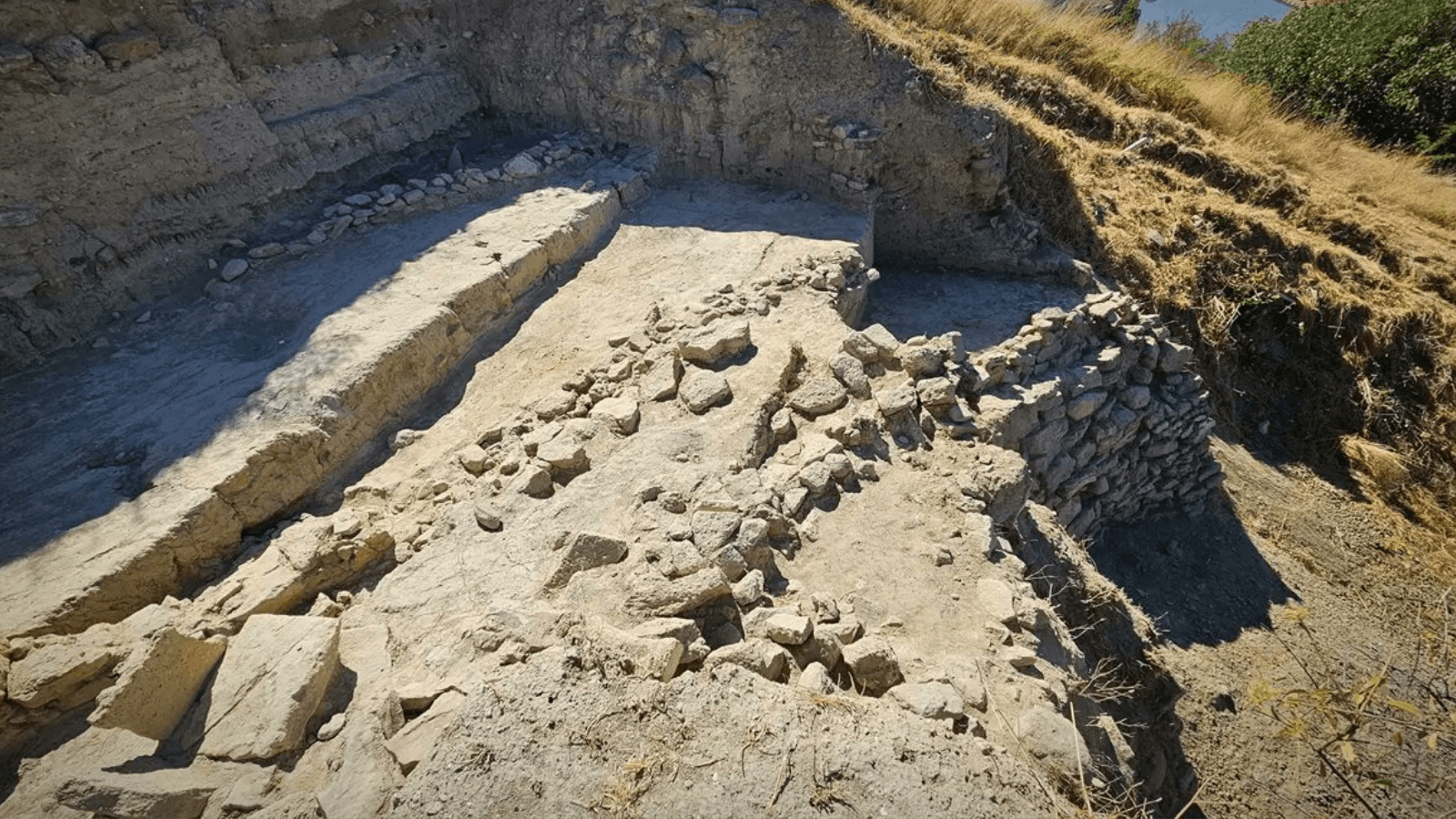
4,200-Year-Old Wall Emerges at a Vast Settlement Across the Dardanelles from Troy
Seven meters beneath Maydos Kilisetepe, archaeologists have reached a defense wall built more than four millennia ago. The Early Bronze Age structure once protected a coastal settlement comparable in size to Troy, although only a small fraction of the mound has been explored. The wall was uncovered at Eceabat on the Gallipoli Peninsula, close to…
-
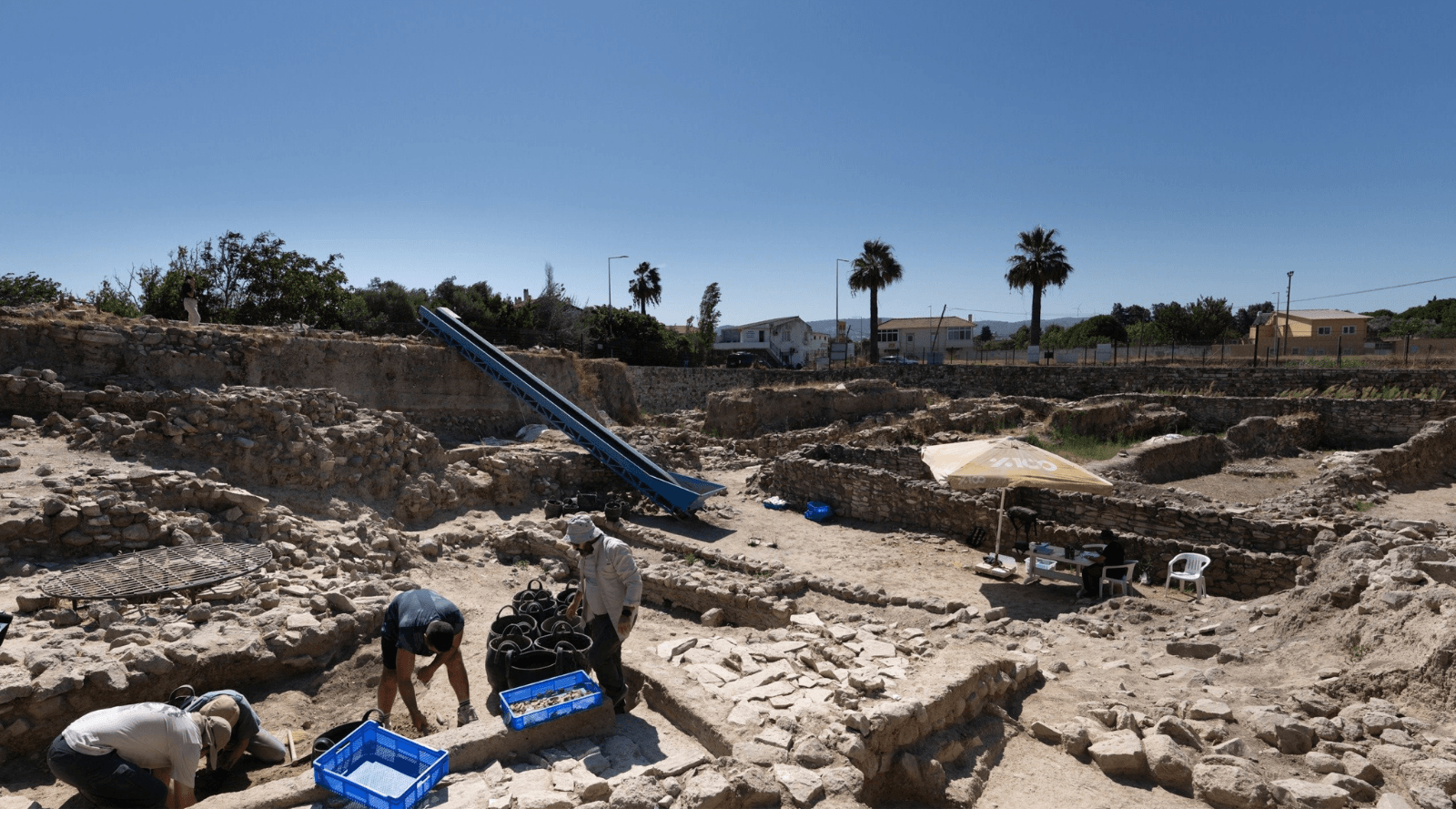
5,000-Year-Old Drainage System Reveals Early Planning in Western Türkiye
Archaeologists excavating Liman Tepe, a prehistoric coastal site in western Türkiye, have uncovered a stone drainage system built approximately 5,000 years ago. The channels ran between terraces at different elevations and probably directed rainwater toward a designated part of the site. Located in Urla, İzmir, Liman Tepe was an important coastal centre during the Early…
-
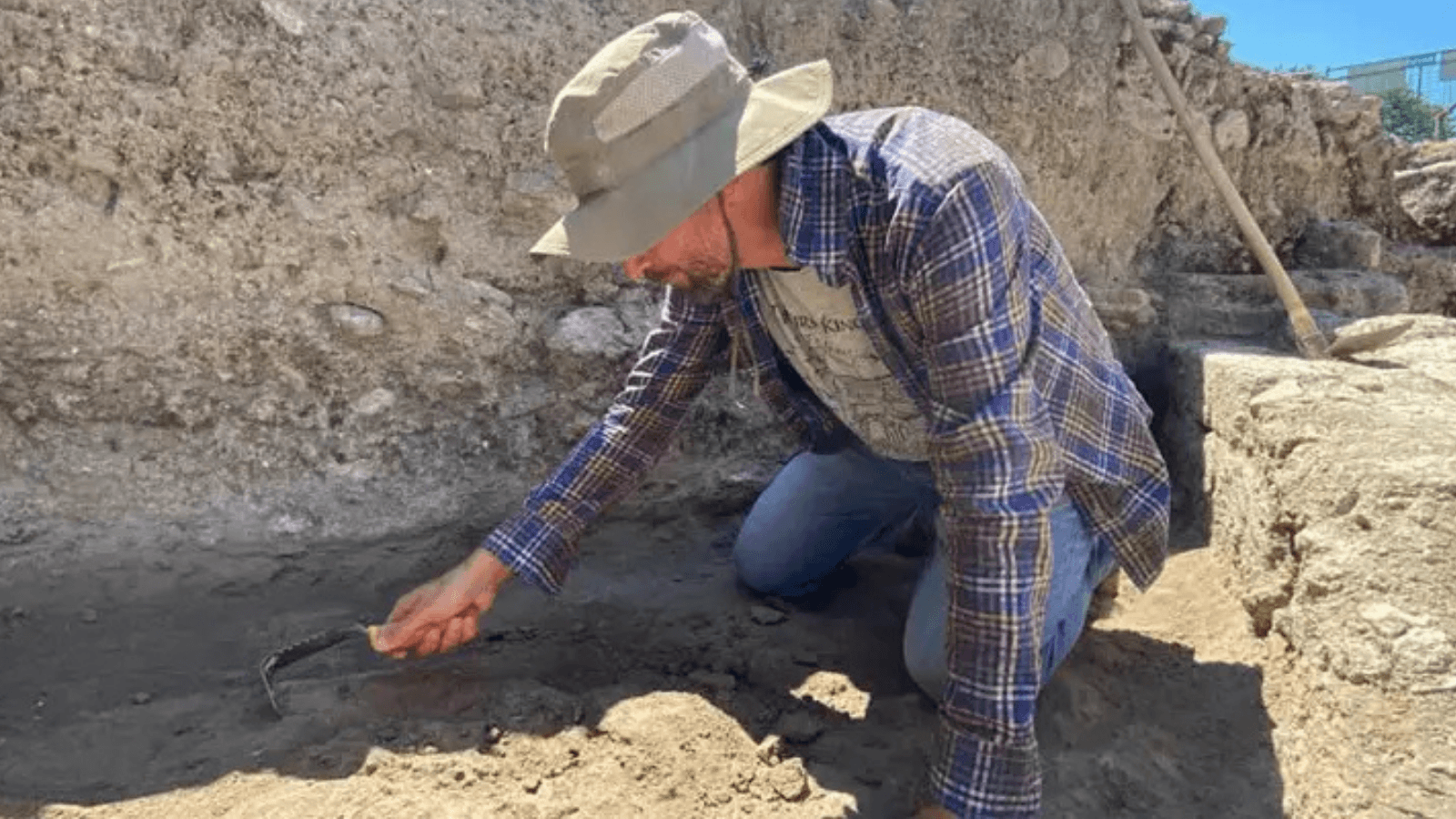
Troy’s Oldest Agora Suggests the City Returned to Life Within 90 Years
For generations, Troy’s story has centered on destruction—war, fire, earthquake and the collapse of the Bronze Age city immortalized in Homer’s Iliad. Troy’s oldest agora, a 2,800-year-old public space now emerging outside the southern gate, is revealing what happened after one of those endings. Archaeologists believe the location already served as a marketplace during the…
-
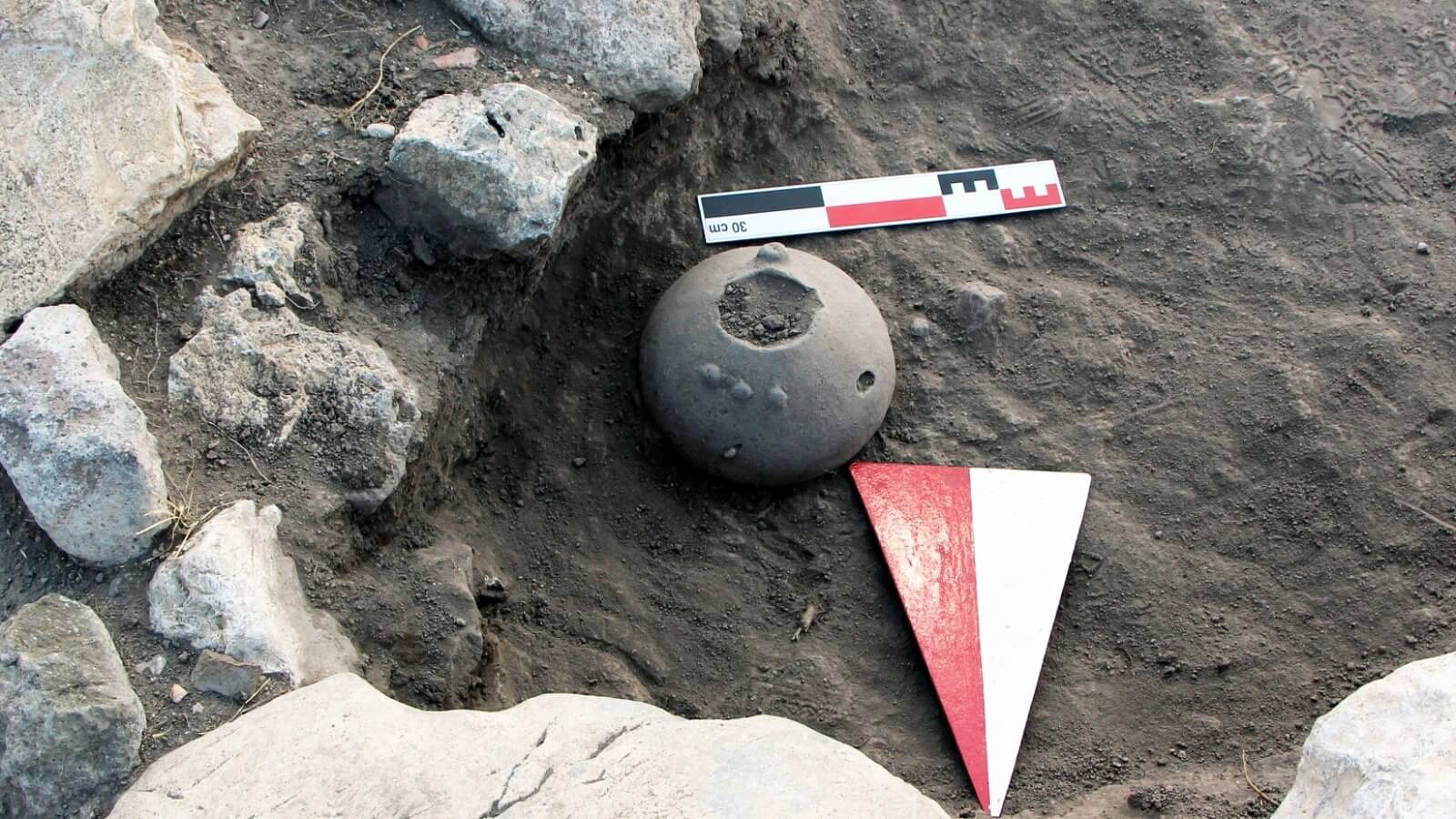
Seeds of Ankara’s Endangered Flower Found in 4,000-Year-Old Hittite Vessel
Seeds linked to Ankara’s endangered Sevgi Flower have been found inside a 4,000-year-old Hittite vessel at Külhöyük in central Türkiye. The discovery places a plant now confined to a small area south of the capital within the region’s Bronze Age landscape. Türkiye’s Ministry of Culture and Tourism described the remains as the earliest known evidence…
-
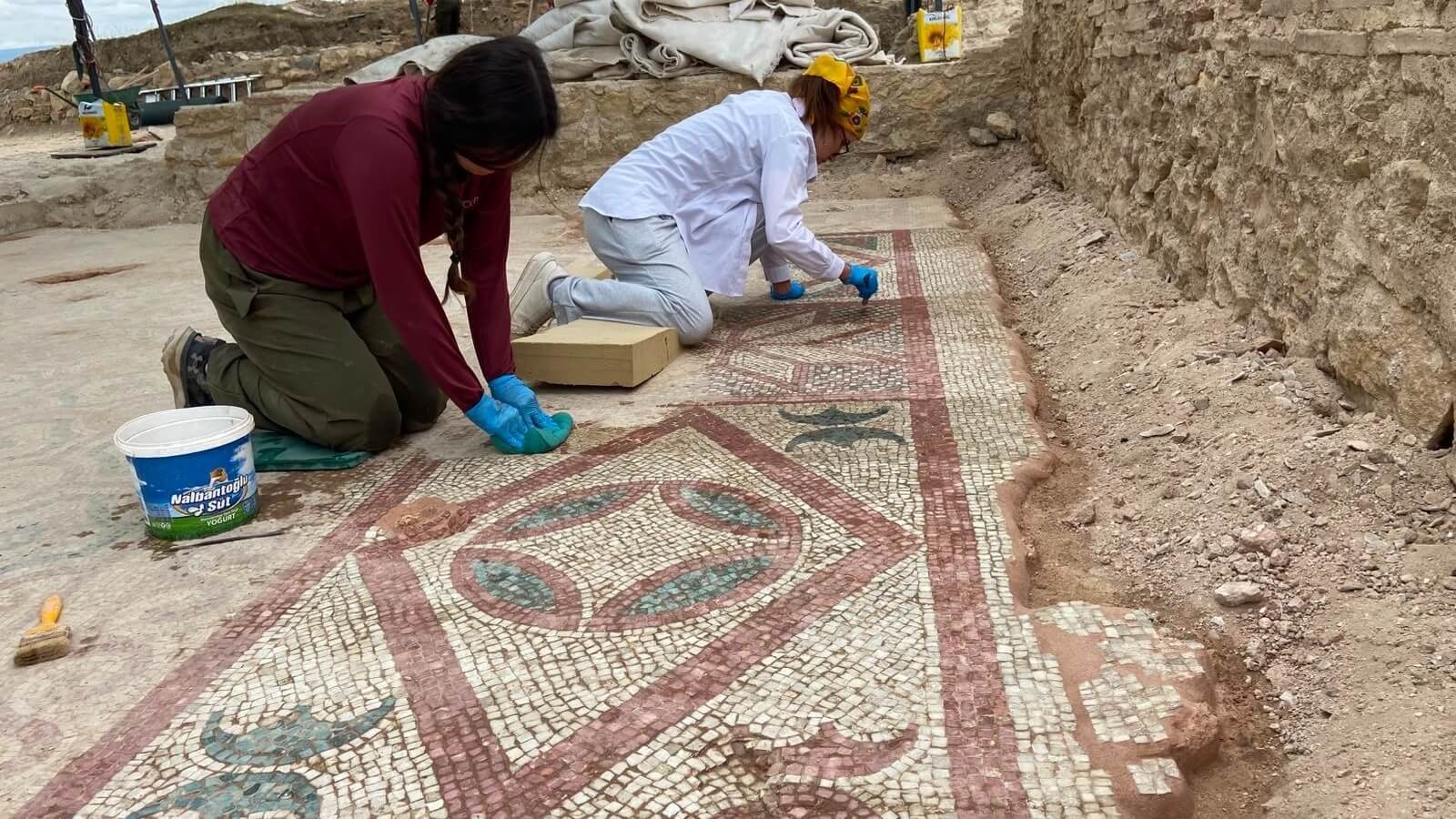
A Vast 1,700-Year-Old Mosaic Is Still Emerging at Pompeiopolis in Anatolia
Archaeologists at Pompeiopolis in northern Anatolia have uncovered approximately 105 square meters of a fourth-century mosaic, but the number comes with an important qualification: it is not the total size of the floor. Part of the decorated pavement remains buried beneath the central nave of a monumental basilica. Until excavation reaches its outer limits, archaeologists…
-
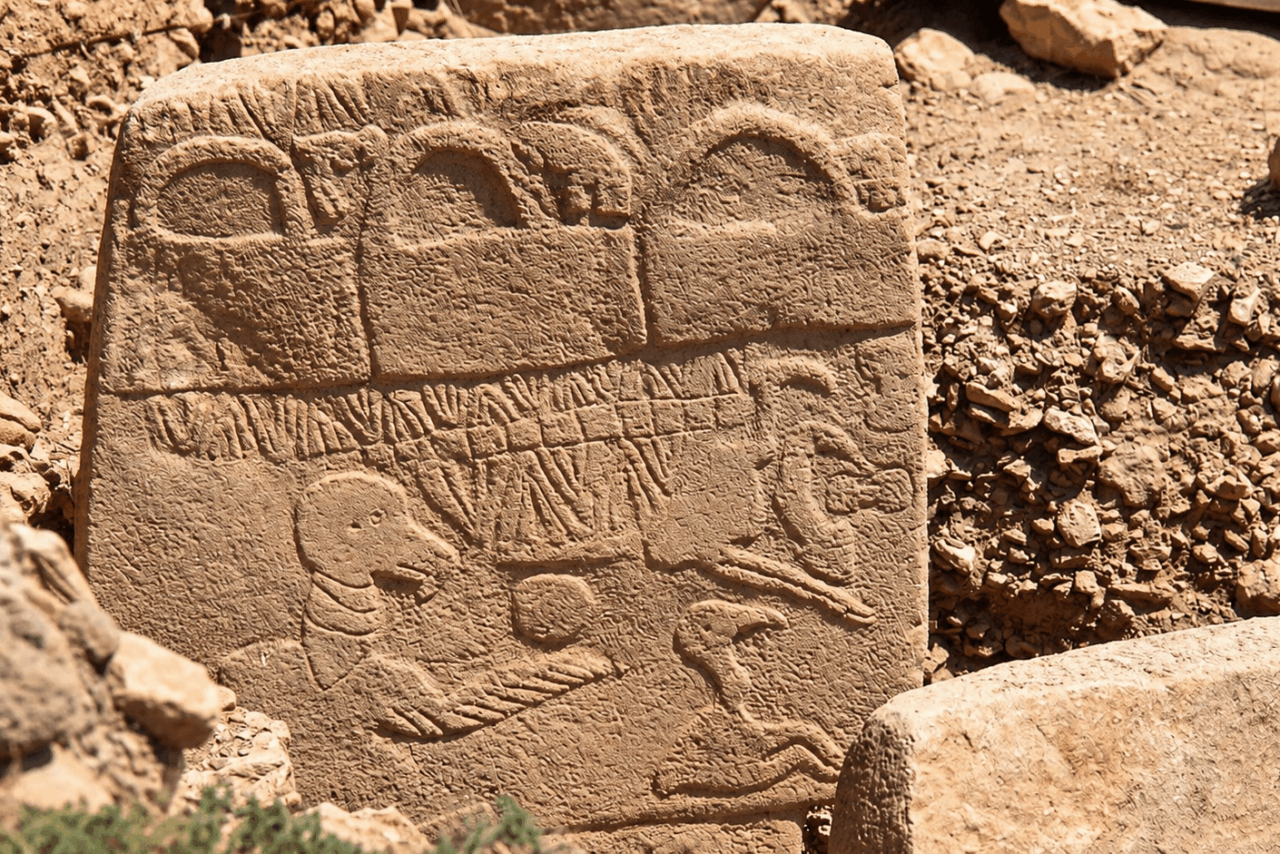
Three Mysterious Carvings May Reveal How Göbekli Tepe Was Designed 12,000 Years Ago
Long before written plans and measuring instruments entered the archaeological record, Göbekli Tepe’s builders were arranging enormous stone pillars within carefully organized monumental spaces. Three carvings on the site’s famous Pillar 43 may offer an unexpected clue to how those architectural ideas were visualized. Before a single pillar could be raised at Göbekli Tepe, someone…
-
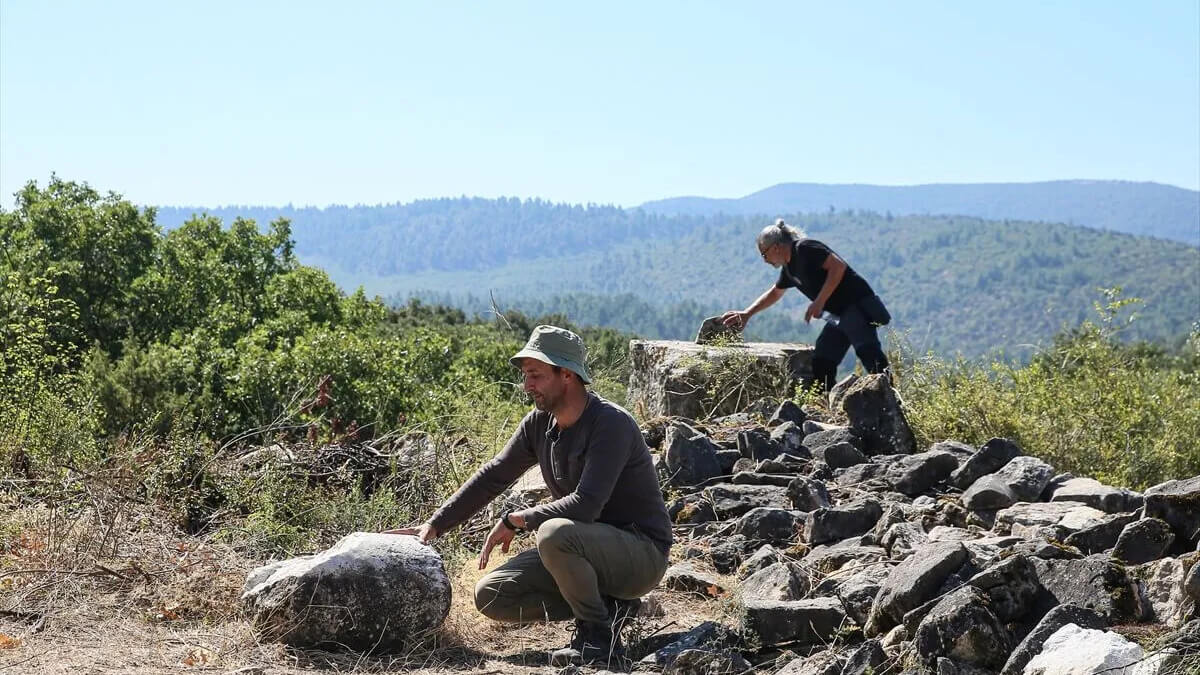
Excavations Begin at Hadrianoi, the Hidden Roman City in Türkiye
A monumental building has begun to emerge at Hadrianoi, a hidden Roman city on the southern slopes of Mount Uludağ in northwestern Türkiye. Archaeologists say the structure may have served as an agora or gymnasium, although its identity will remain uncertain until they reach the original floor. The excavation is being conducted by the Bursa…
-
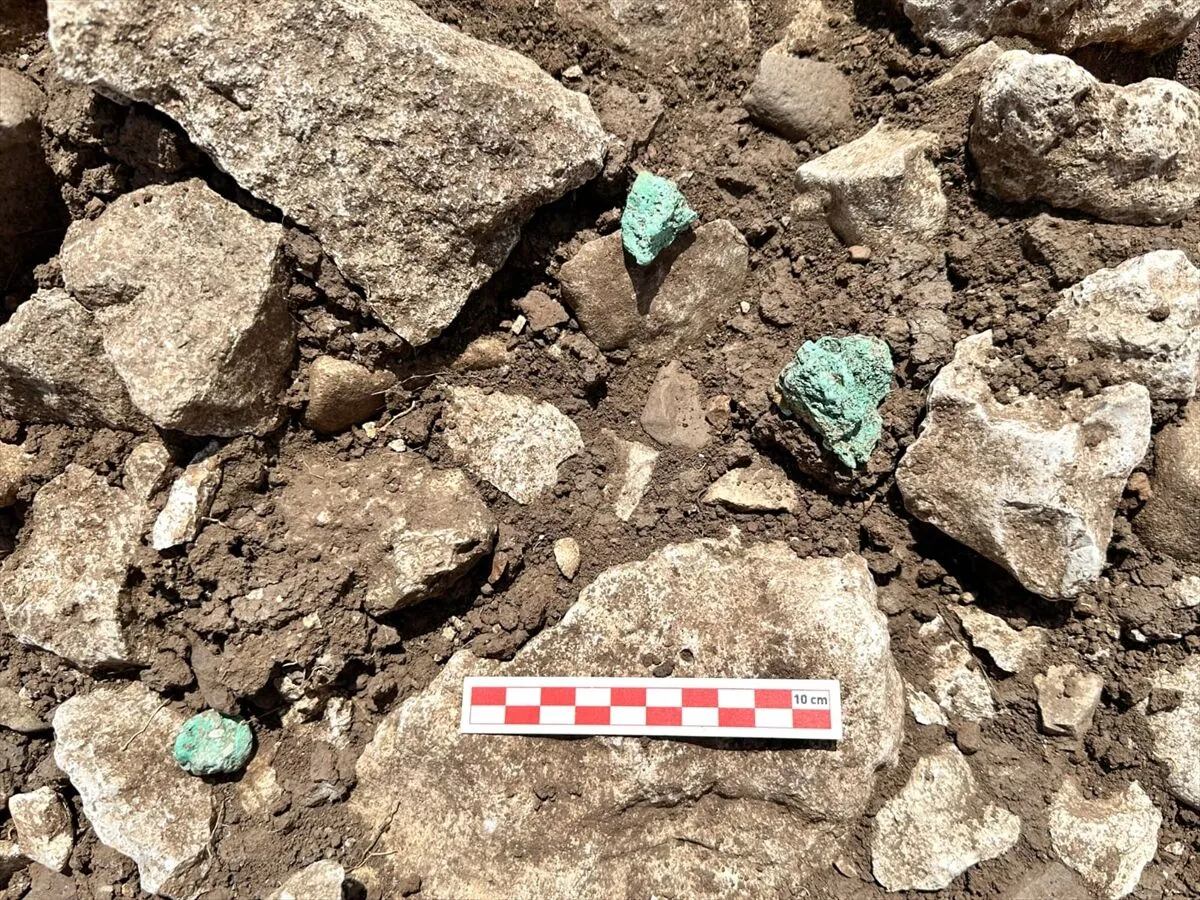
9,000-Year-Old Workshop Discovered in Türkiye Reveals Neolithic Malachite Processing and Copper Working
Archaeologists have discovered a 9,000-year-old malachite and copper workshop at Çayönü Tepesi in southeastern Türkiye. The stone-paved workspace contained raw and partly worked malachite, processed samples, copper beads and other copper objects, preserving several stages of Neolithic production within the same excavated area. The excavation team uncovered the workshop during the 2026 season near Ergani…
-
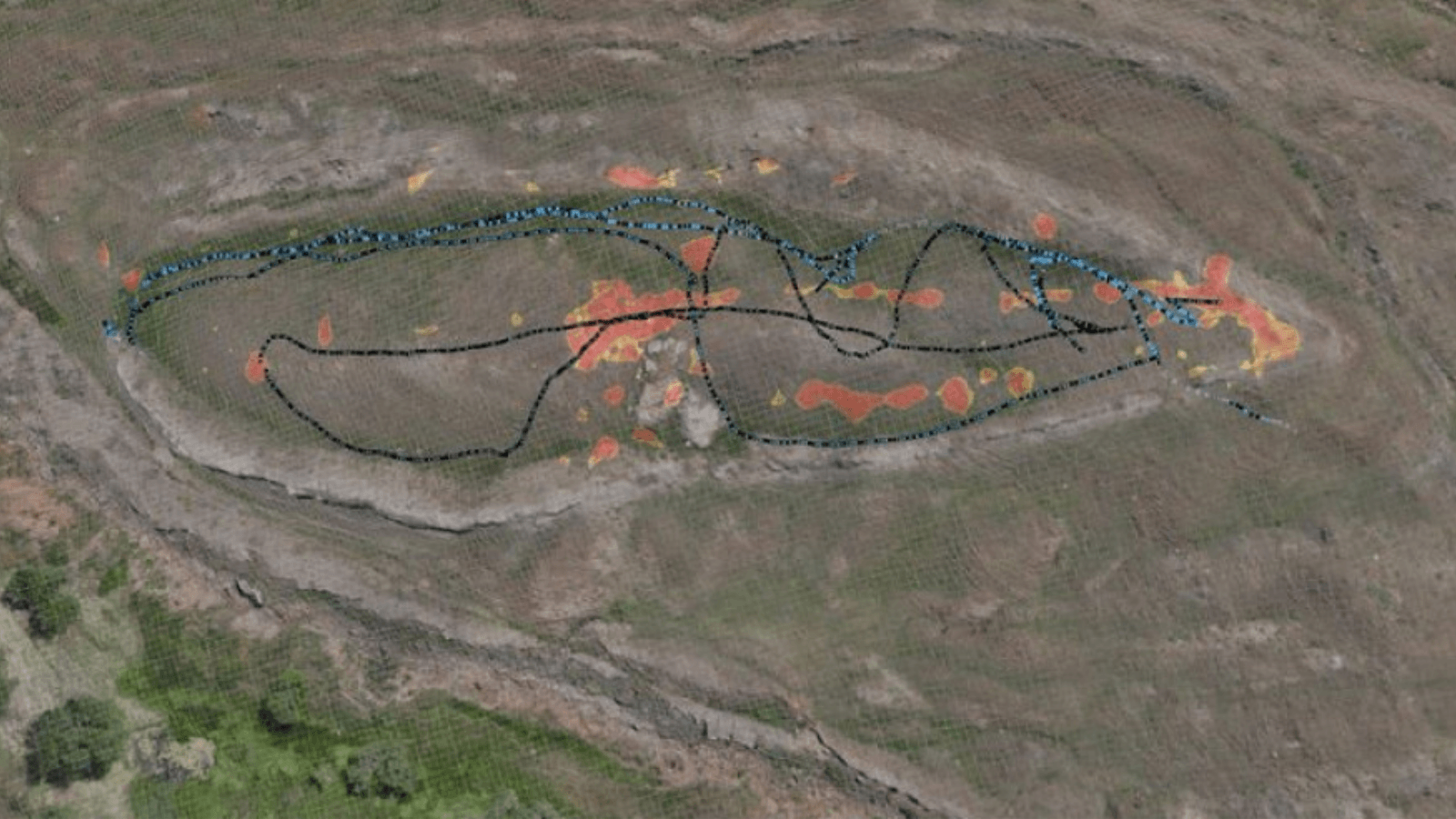
Radar Built to Find Military Tunnels Tests Turkey’s Noah’s Ark-Shaped Formation
A radar built to find military tunnels and buried objects is now testing what lies beneath Turkey’s Noah’s Ark-shaped Durupınar Formation. Its first survey identified angular anomalies and possible cavities, giving researchers new targets for physical sampling. Known as BakhtarRadar, the technology emerged from research supported by the US Air Force. Its deployment at Durupınar…