-
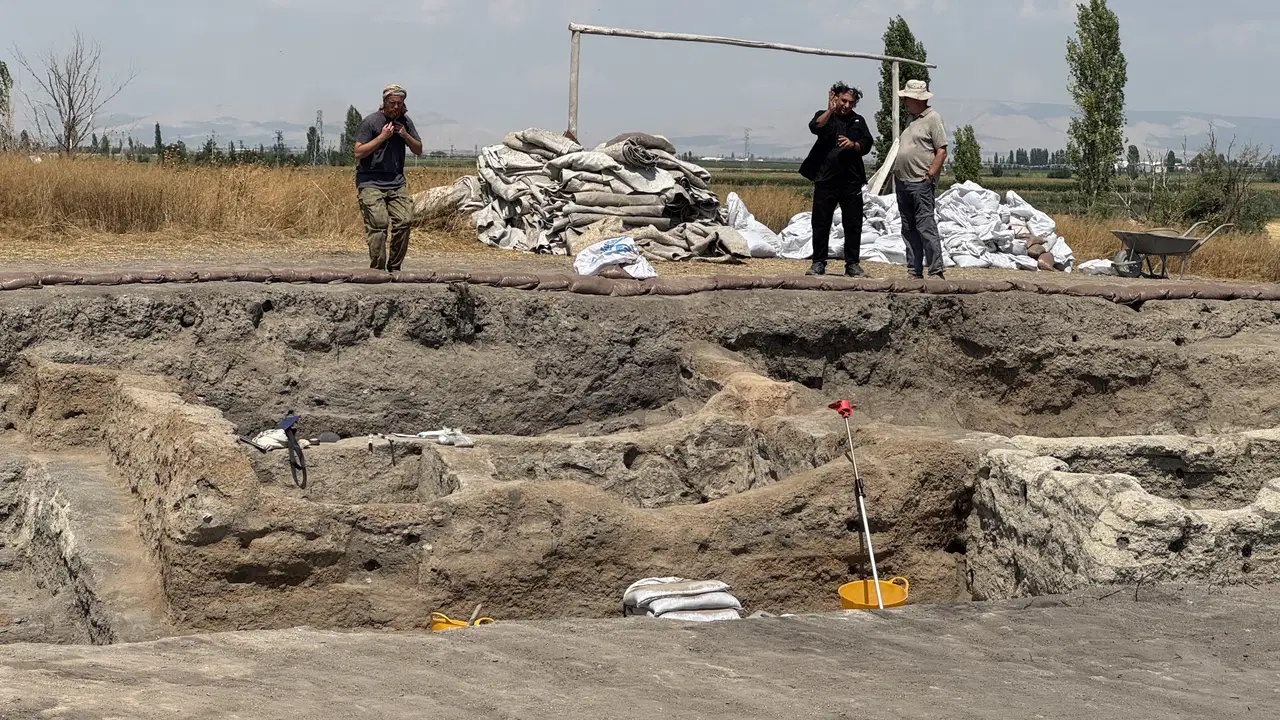
Eight Infant Skeletons Found Beside Çatalhöyük’s “House of the Dead” Raise a Neolithic Mystery
Eight infant skeletons found beside Çatalhöyük’s “House of the Dead” are raising new questions about how the Neolithic community treated its youngest dead. Preliminary examination indicates that none of the babies was older than about six months. Infant graves are not uncommon at Çatalhöyük, where generations buried their dead beneath floors and platforms. The new…
-
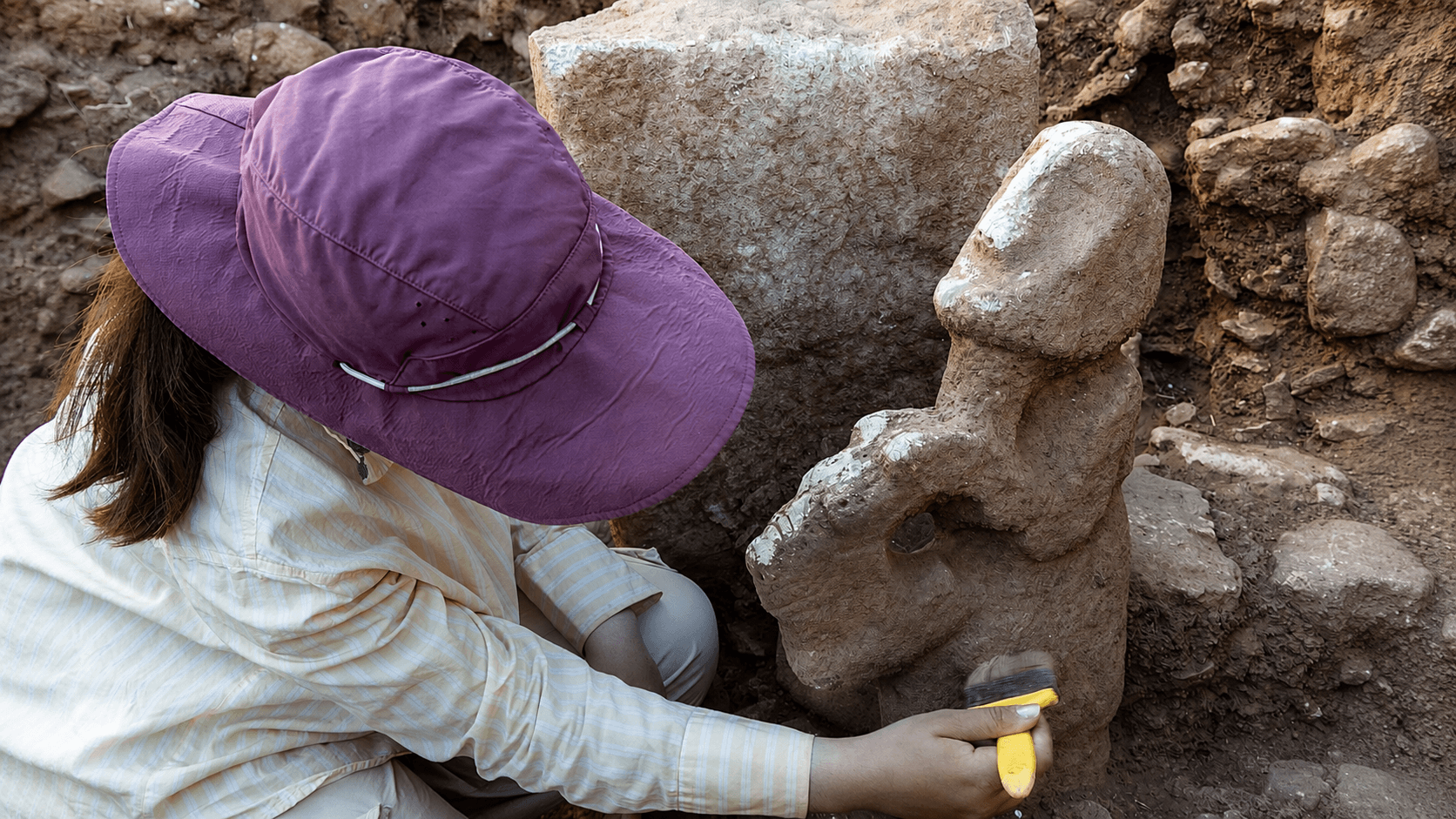
11,000-Year-Old “Leopard Rider” Found at Karahantepe Reverses an Earlier Neolithic Image
An 11,000-year-old “leopard rider” found at Karahantepe has reversed one of the Neolithic site’s strangest images. An earlier sculpture showed a human carrying a leopard; in the newly discovered composition, the predator bears the human. The 70-centimeter-tall stone sculpture was uncovered during the 2026 excavation season at Karahantepe, near Şanlıurfa in southeastern Türkiye. Archaeologists found…
-
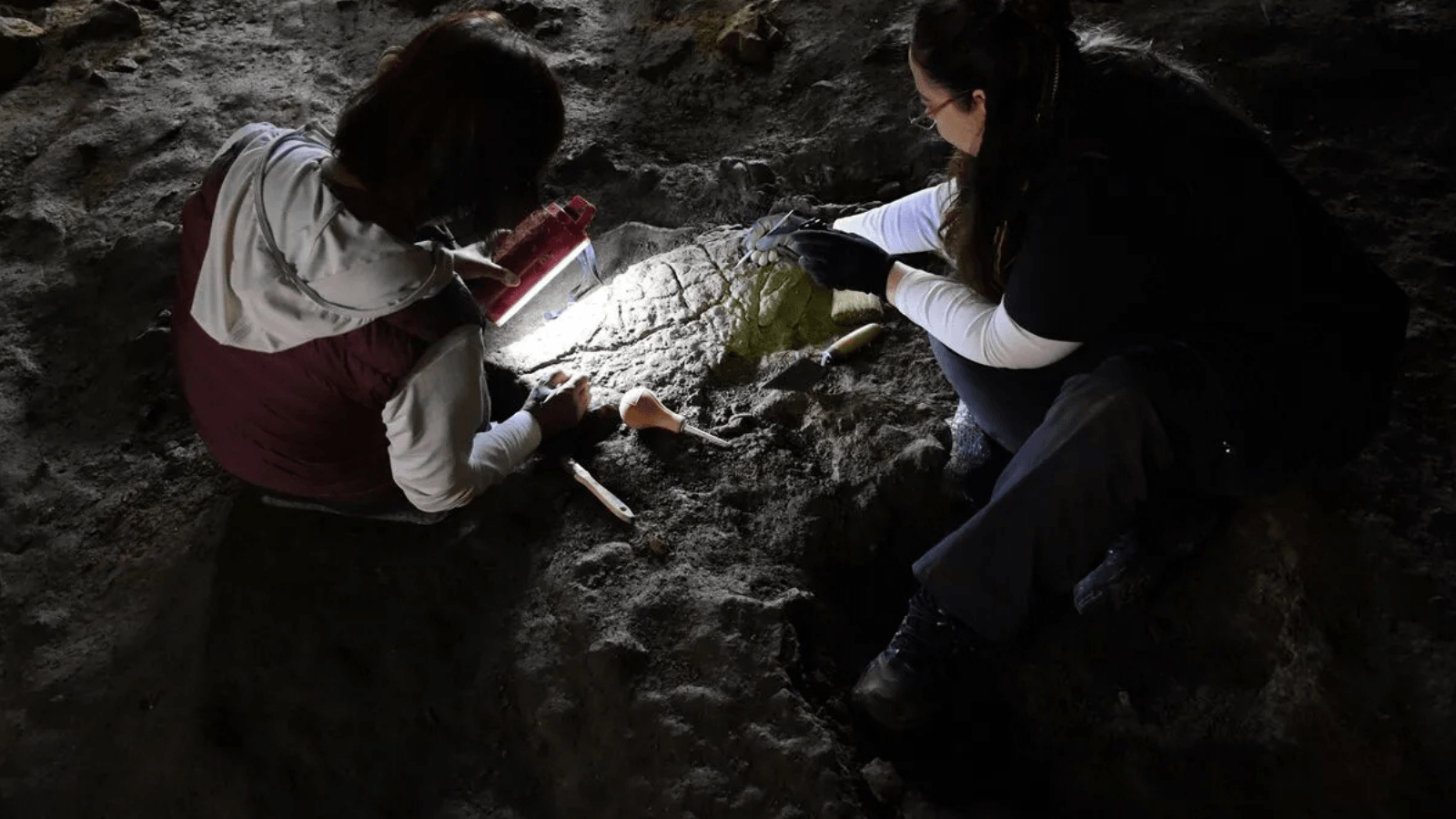
25 Stone Turtle Figurines Found in a Turkish Cave May Reveal a 16,500-Year-Old Ritual World
Deep inside a prehistoric cave in northwestern Türkiye, archaeologists have uncovered an unusual collection of about 25 stone turtle figurines, some deliberately pushed into the ground around circular architectural features. The discovery is offering a rare glimpse into the symbolic world of hunter-gatherers who used the site toward the end of the Ice Age. The…
-
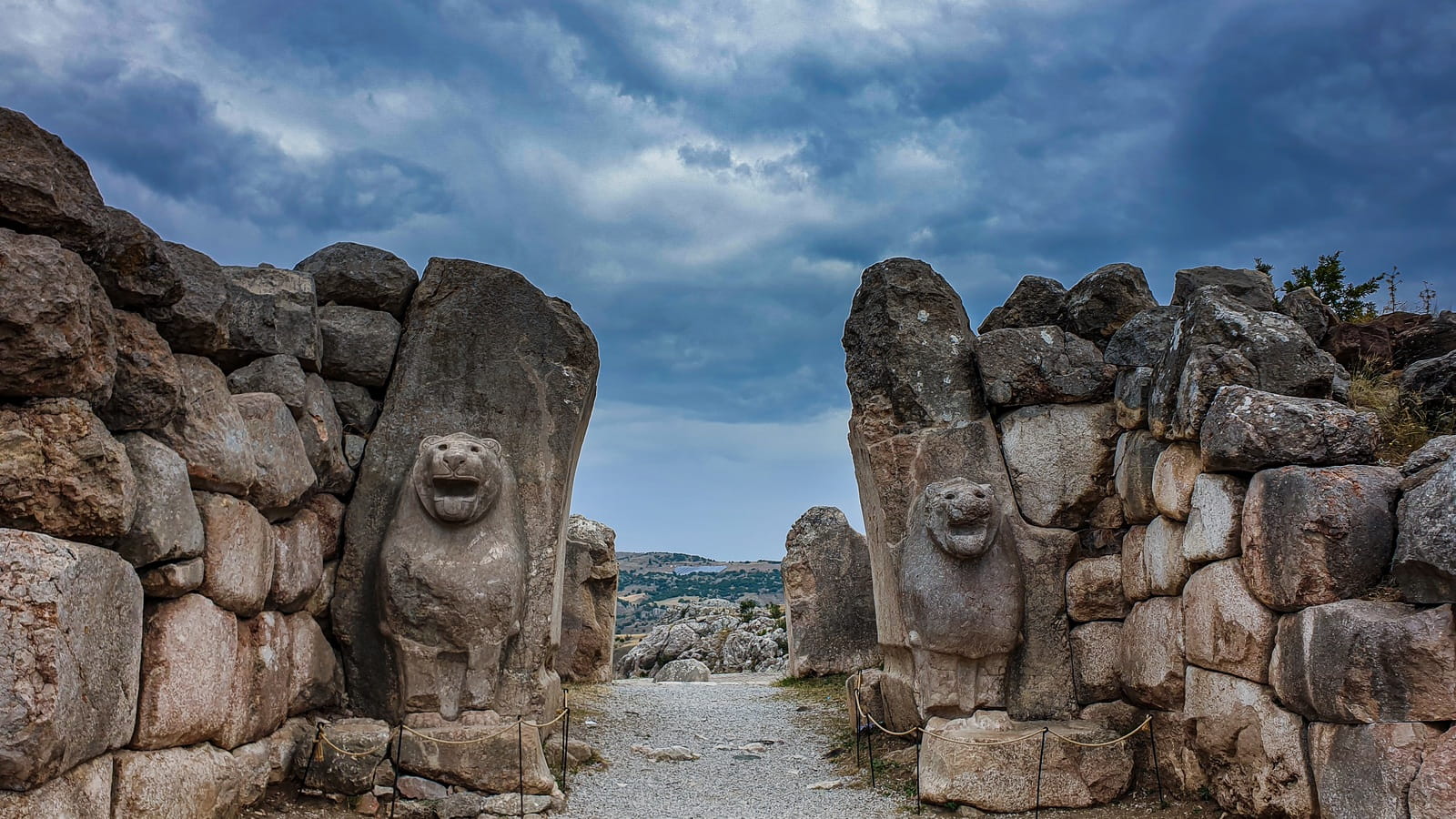
Ancient Hittite Text Reveals a 3,600-Year-Old Royal Power Struggle and a Woman Called the ‘Serpent’
An ancient Hittite text preserves the story of a royal power struggle that unfolded around 3,600 years ago, when a king rejected his intended successor and accused the young man of falling under the influence of a woman he described with a striking word: “serpent.” The episode appears in the political testament of Hattusili I,…
-
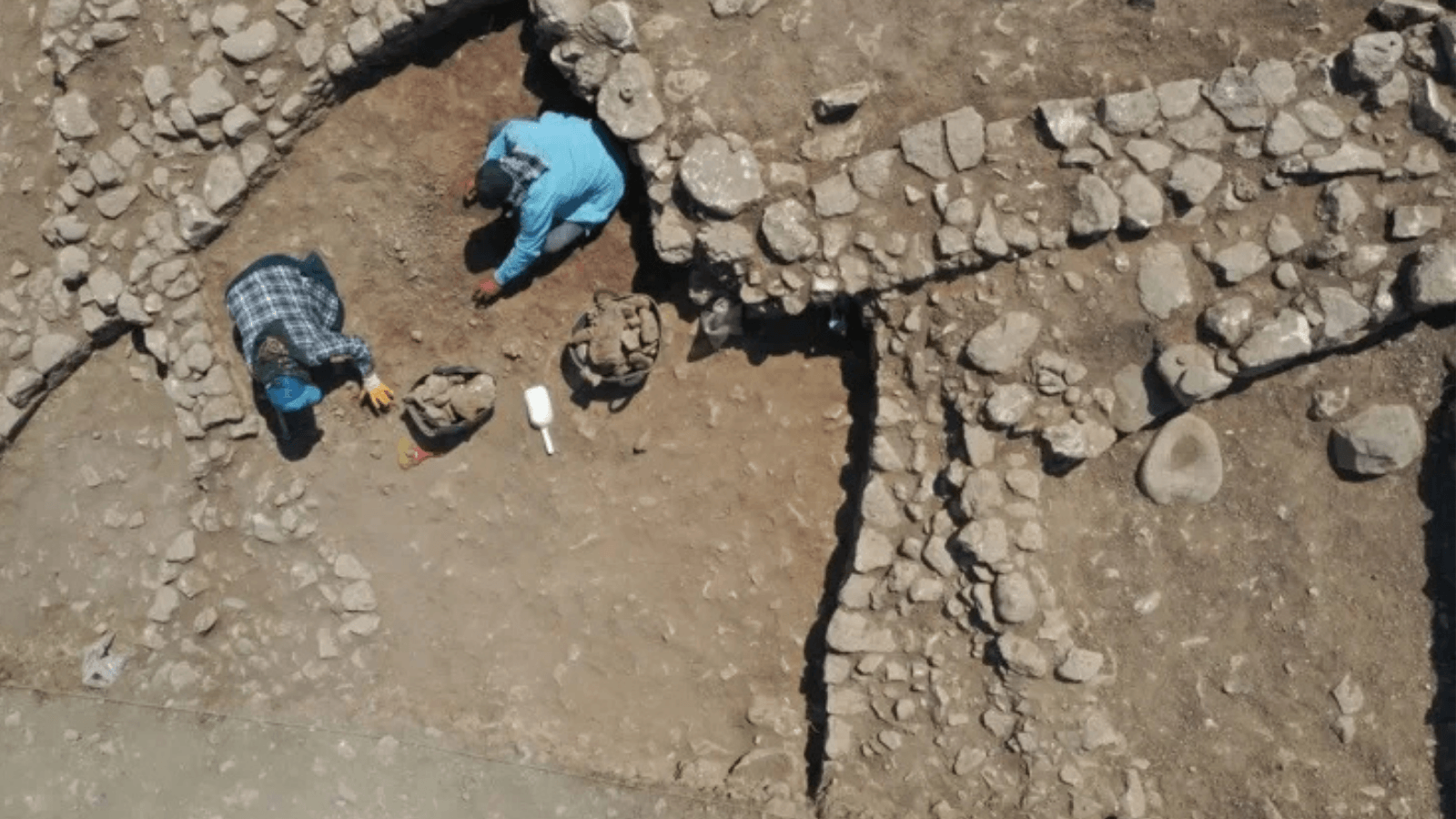
Beyond Göbekli Tepe’s Giant Pillars, Archaeologists May Have Found 10,000-Year-Old Homes
Göbekli Tepe is known around the world for its giant T-shaped pillars and monumental buildings. But new excavations may have uncovered 10,000-year-old homes, offering a very different glimpse into the lives of the people who lived among its famous monuments. New excavations in a previously unexplored part of the Neolithic settlement in southeastern Türkiye have…
-
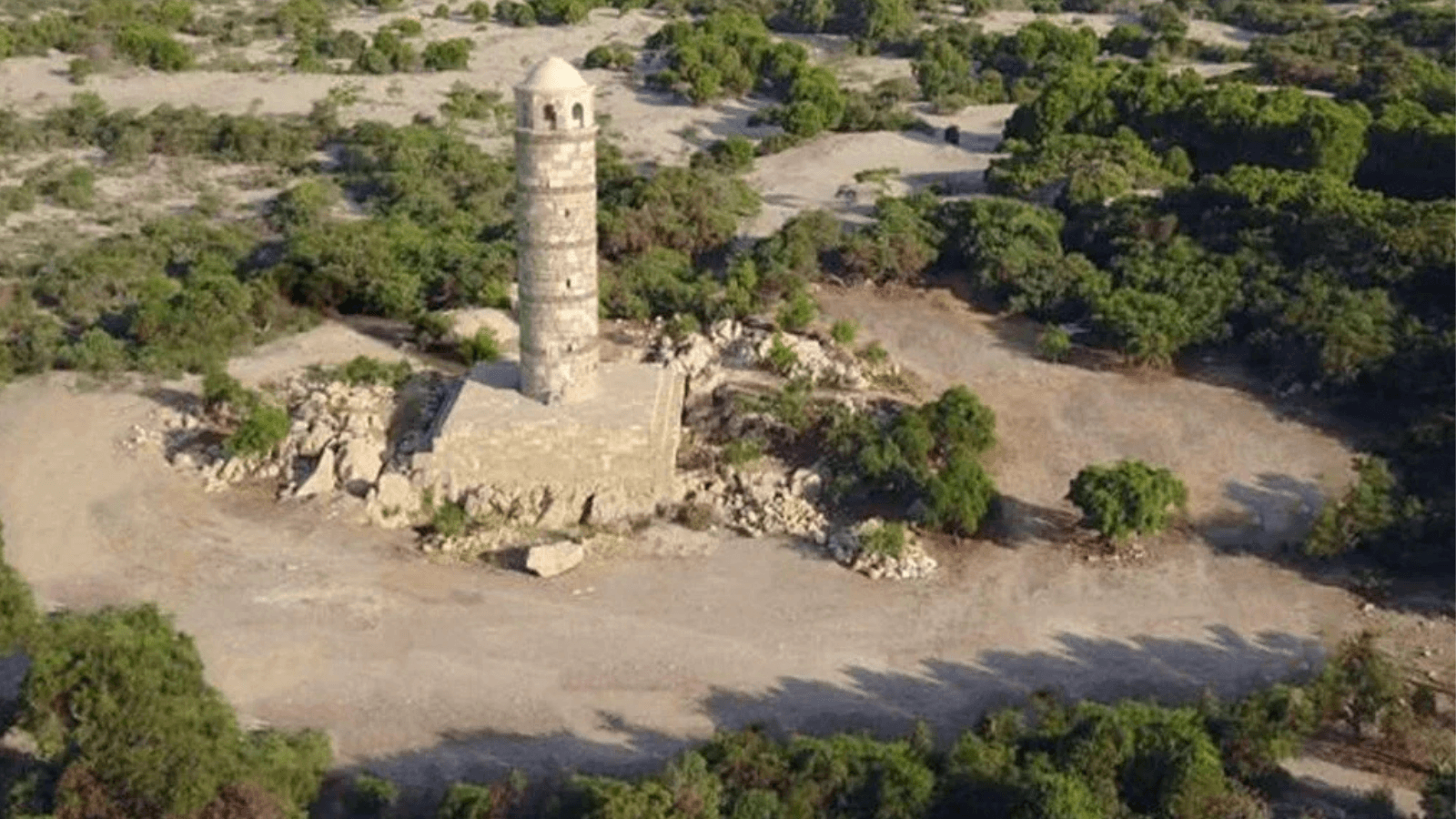
A 545-Year-Old Tsunami May Explain the Destruction of Patara’s Roman Lighthouse
Patara’s Roman Lighthouse stood at the entrance to one of ancient Lycia’s most important harbors for more than a thousand years. A new study now suggests that a devastating earthquake and tsunami in 1481 may help explain how the long-lived monument was finally destroyed. The disaster struck on May 3, 1481, when a major earthquake…
-
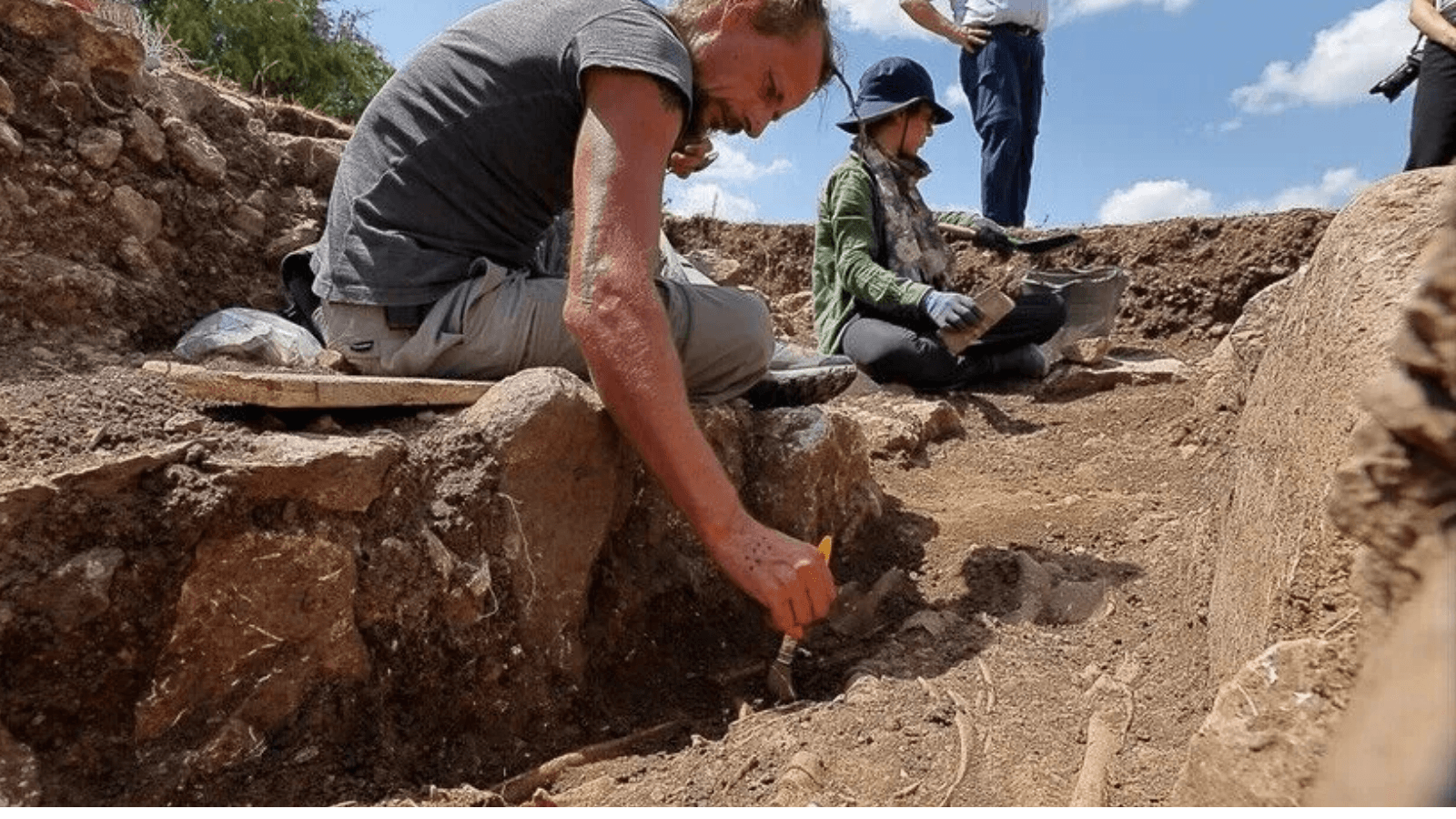
Complete 2,300-Year-Old Skeleton Found at Hattusa with Knife Beside the Shoulder
Archaeologists at Hattusa have uncovered a 2,300-year-old burial containing a complete human skeleton, with a knife lying beside the deceased’s right shoulder. The grave was discovered on the northwestern slope of the ancient city in central Türkiye and dates to the late 4th or 3rd century BC. That places it long after Hattusa’s famous role…
-
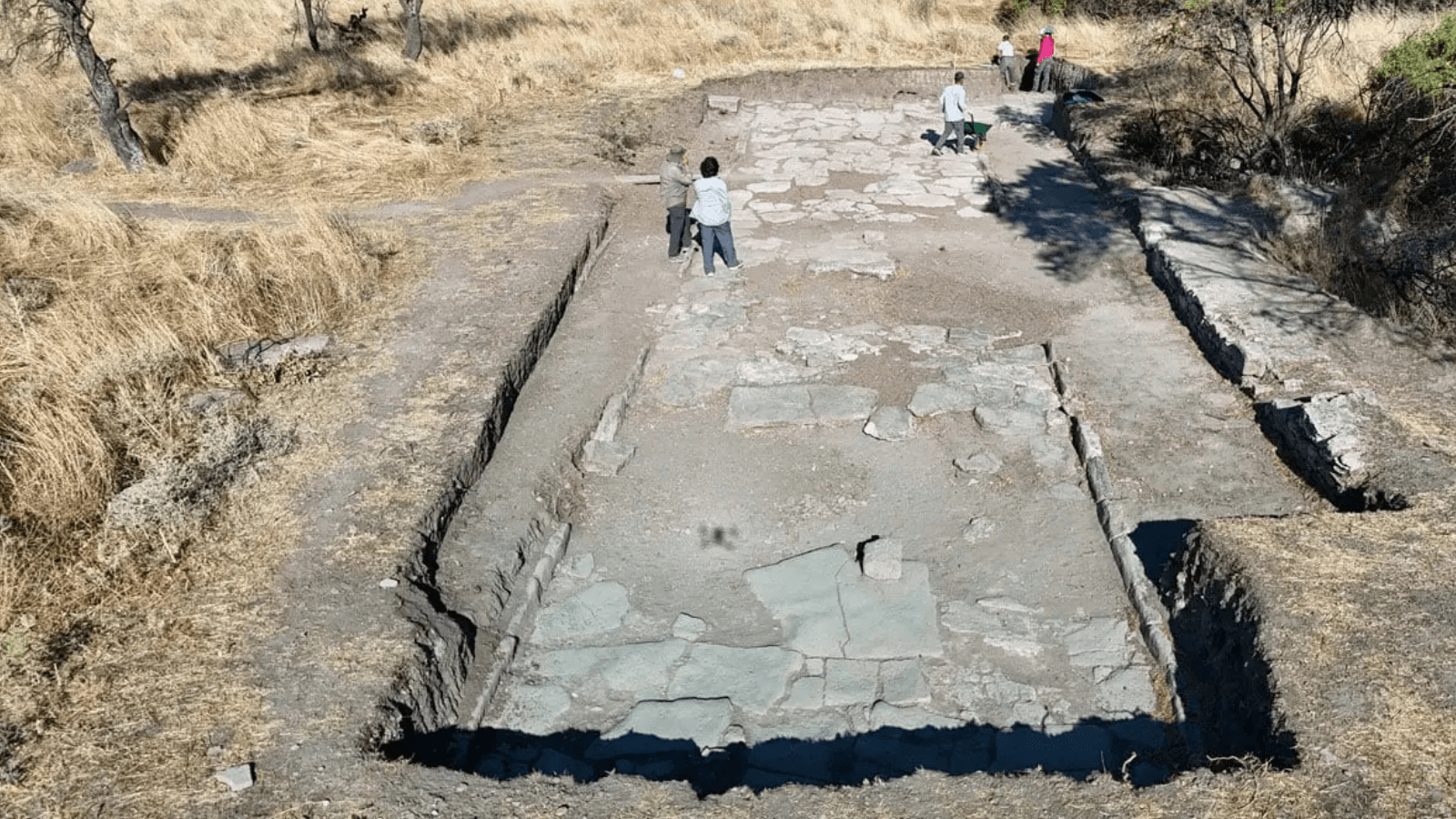
2,000-Year-Old Street Emerging at Troy Reveals the Scale of Its Roman City
Archaeologists at Troy are uncovering a major Roman street that once ran through the lower city, exposing part of an urban landscape shaped nearly 2,000 years ago at a place Romans closely associated with their own legendary beginnings. The street is emerging during the 2026 excavation season at the ancient site in northwestern Türkiye. Researchers…
-
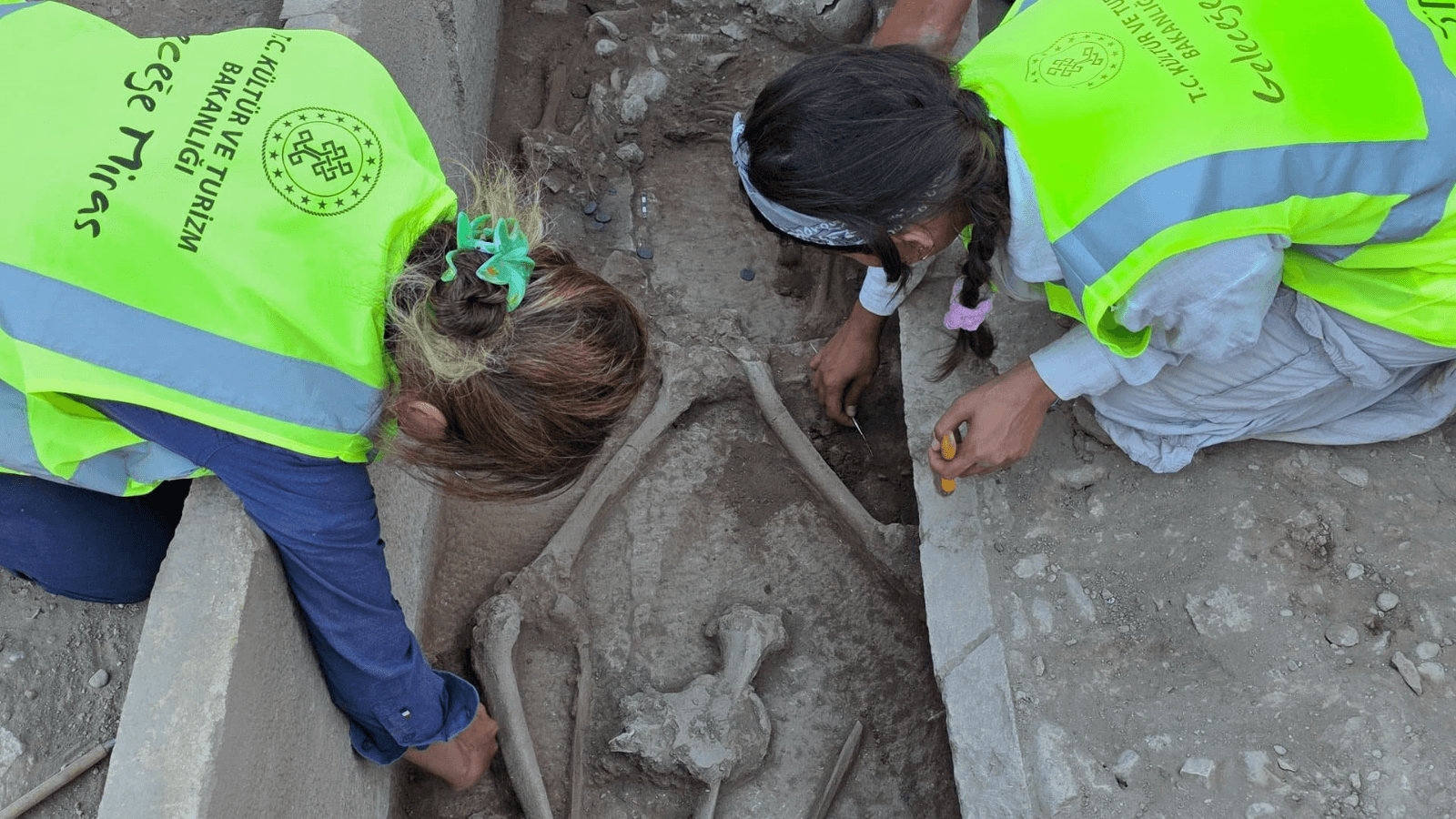
2,400-Year-Old Tomb Found at Aspendos May Have Belonged to a Wrestler
Archaeologists excavating the ancient city of Aspendos in southern Türkiye have uncovered a roughly 2,400-year-old cist grave containing coins decorated with images of wrestlers, raising the possibility that the person buried there may have been connected to sport. The grave was discovered in the newly identified Eastern Necropolis, the first burial area of its kind…