-
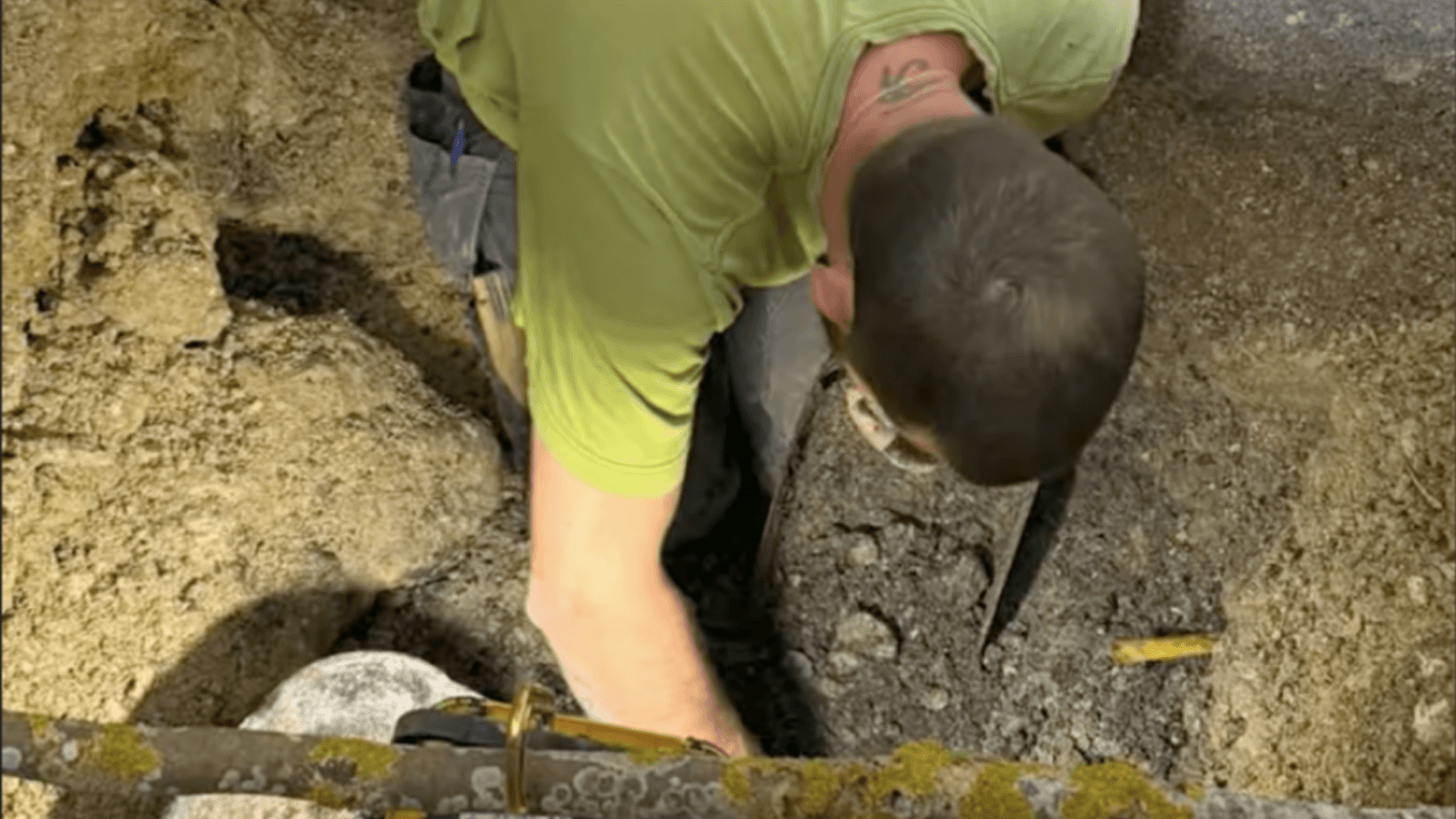
Around 9,000-Year-Old Remains of a Pregnant Woman and Fetus Found in Sweden
Archaeologists working inside a cave on a small Baltic island have uncovered the remains of a young pregnant woman with the bones of her unborn child still preserved in close anatomical association with her body, offering an exceptionally rare glimpse into life and death in Stone Age Scandinavia. The discovery was made in the Suder…
-
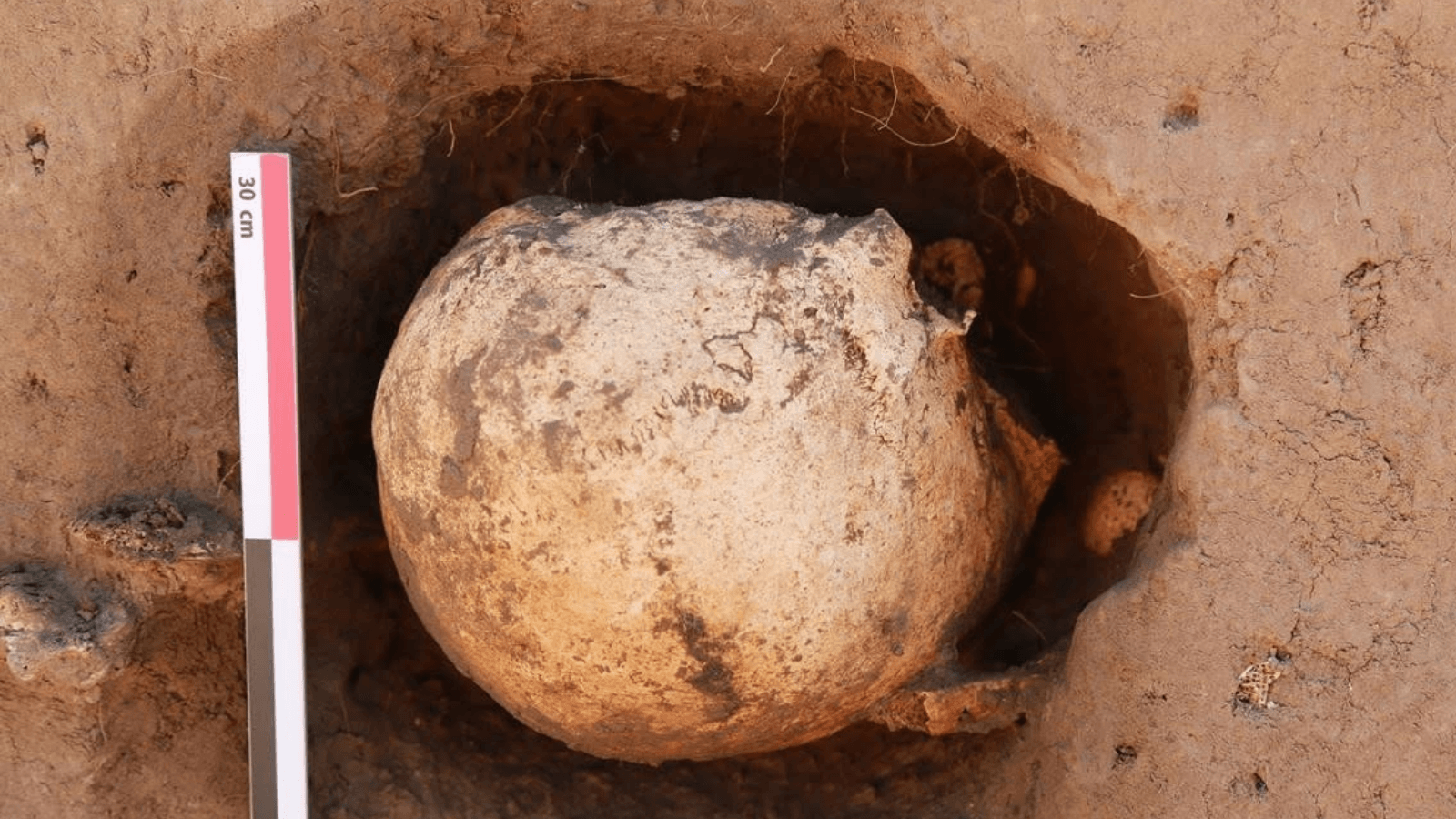
Inverted Human Skull and Iron Nails Found in an Unusual Grave in Poland
An inverted human skull has been uncovered in a puzzling grave at Ślipcze in eastern Poland, where archaeologists had already found disarticulated bones and iron nails among the human remains. The toothless skull was positioned with its cranial vault facing downward and the foramen magnum — the large opening at the base of the skull…
-

Ancient DNA Reveals Ice Age Humans Disproportionately Targeted Female Woolly Mammoths
Ancient DNA recovered from more than 500 woolly mammoths has revealed an unexpected pattern in the relationship between Ice Age people and one of the largest animals they shared the landscape with: at archaeological sites associated with human activity, female mammoths vastly outnumber males. An international team analyzed genomic data from 521 woolly mammoths from…
-
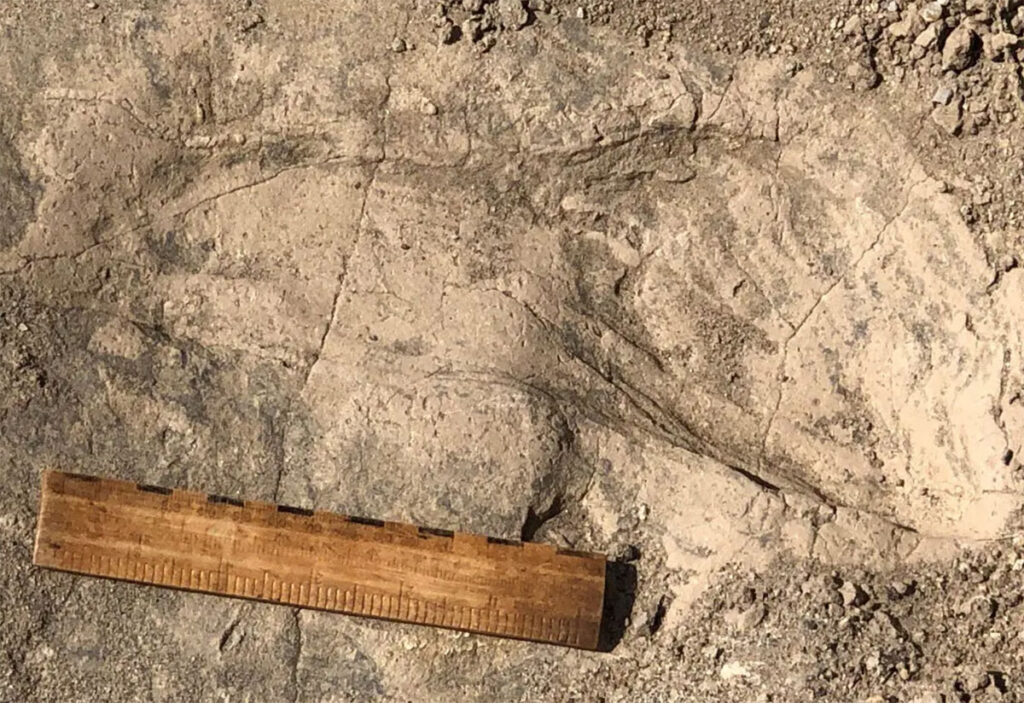
Who Walked the Shores of Ancient Kenya? 1.4-Million-Year-Old Footprints Reveal Surprisingly Large Hominins
Several early hominins crossed the muddy edge of a lake in northern Kenya around 1.43 million years ago. Their footprints survived long after the water disappeared, preserving a brief scene of movement that bones alone could never record. The tracks, uncovered at the GaJi10 site in East Turkana, suggest that some of these individuals were…
-
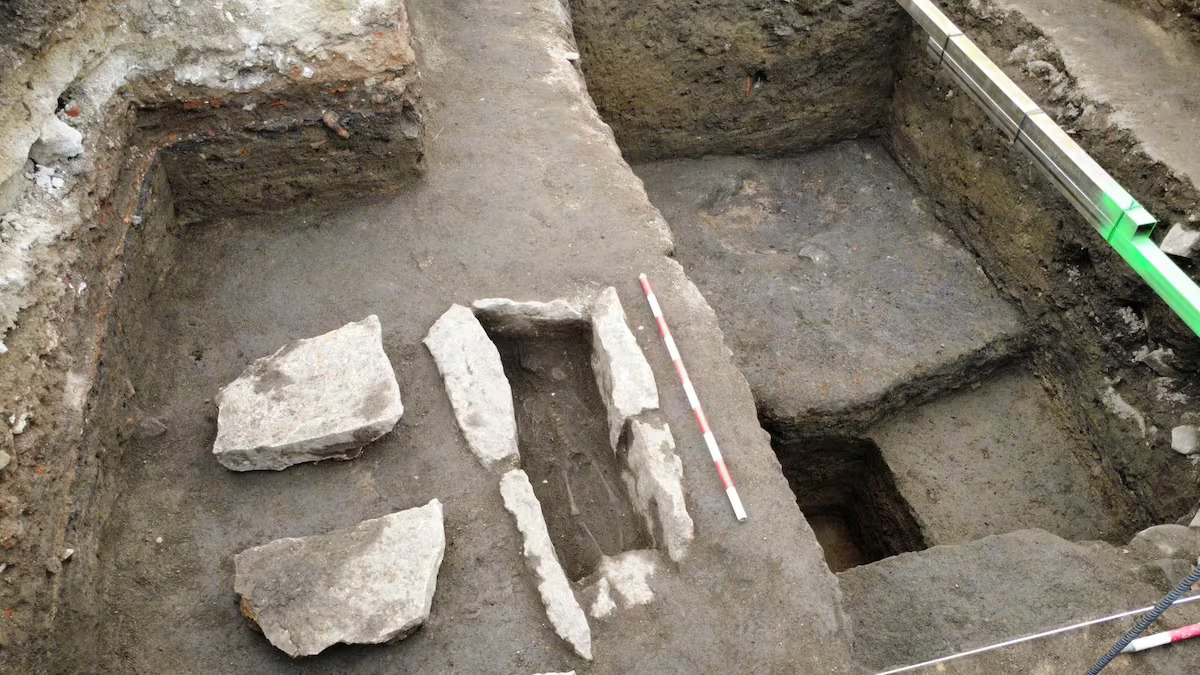
1,500-Year-Old Child Grave at Ávila’s Ancient Gate May Reflect a Protective Ritual
An intact grave containing the remains of a very young child has been uncovered directly outside one of the principal entrances to the historic city of Ávila in central Spain. The child, believed to have been approximately 18 months old, was buried alone and carefully aligned with the entrance now marked by the monumental San…
-
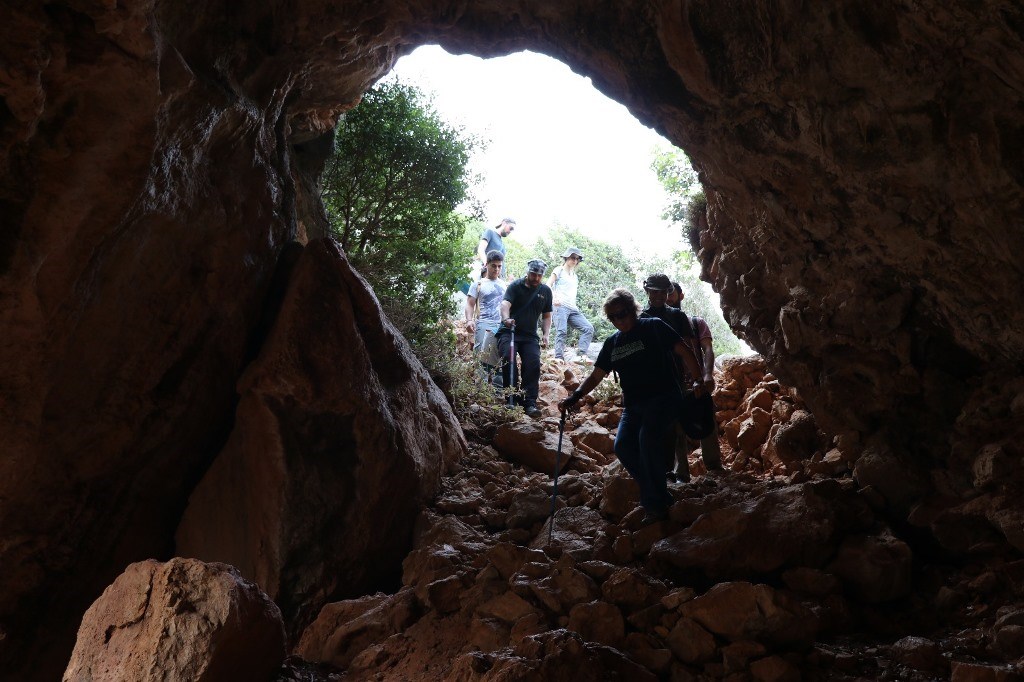
Türkiye Cave Reveals 20,000 Years of Cultural Continuity Between Neanderthals and Modern Humans
Archaeologists working at Üçağızlı II Cave in Hatay, southern Türkiye, have uncovered evidence that may reshape how researchers understand the transition from Neanderthals to modern humans in the northern Levant. A new study published in Proceedings of the National Academy of Sciences reports long-term cultural continuity across more than 20,000 years of occupation at the…
-
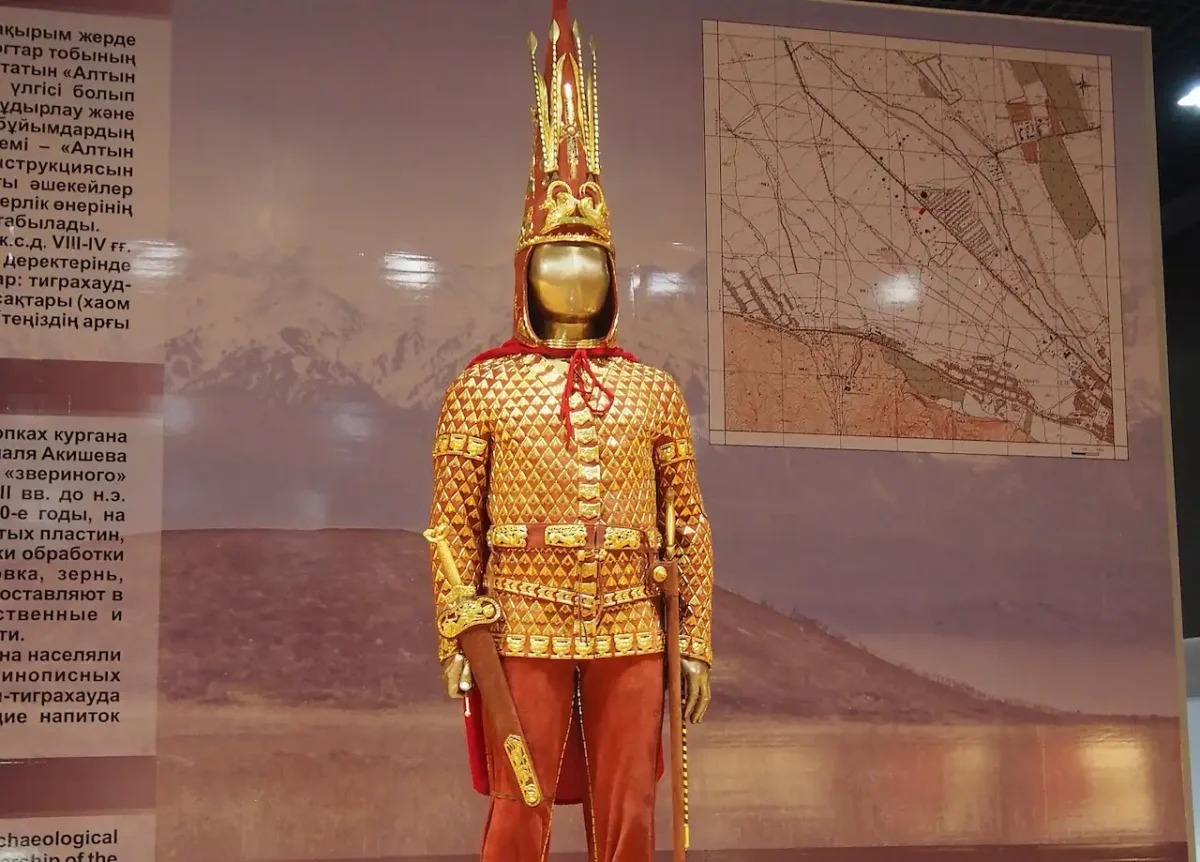
Ancient DNA Study Including Kazakhstan’s “Golden Man” Reveals Family Networks Behind Scythian Elite Power
Gold, horses, weapons, and monumental kurgans have long shaped the image of Scythian elite power. But a new study published in Science Advances suggests that power among some Scythian and Saka groups may also have depended on something less visible in the archaeological record: family ties. Based on ancient DNA from Iron Age burials across…
-
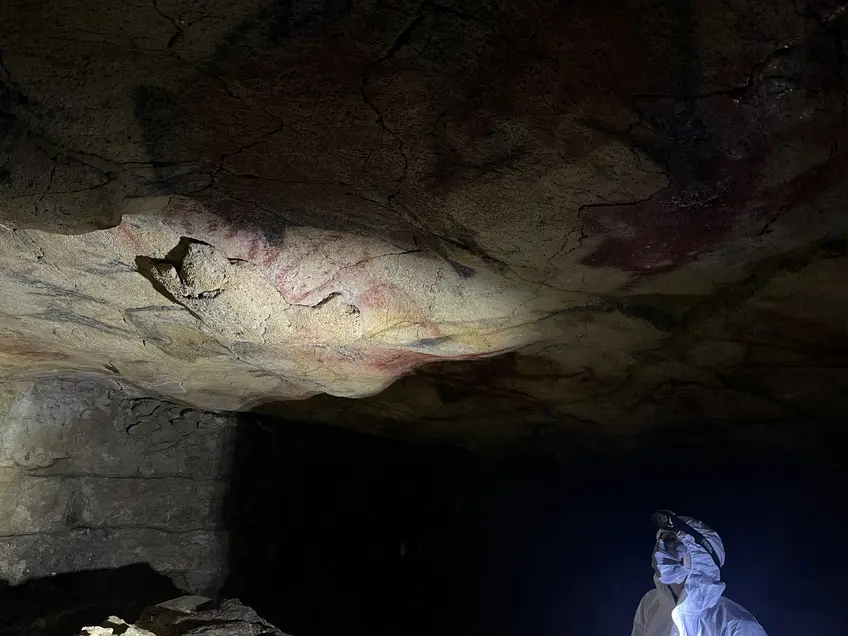
Ancient Human DNA Found on Cave Walls for the First Time
A cave wall is not usually treated like a genetic archive. In Spain and Portugal, however, researchers have recovered ancient human DNA from the surface of cave walls, including areas close to prehistoric rock art. The study, led by the Max Planck Institute for Evolutionary Anthropology and published in Nature Communications, examined 24 rock art…
-
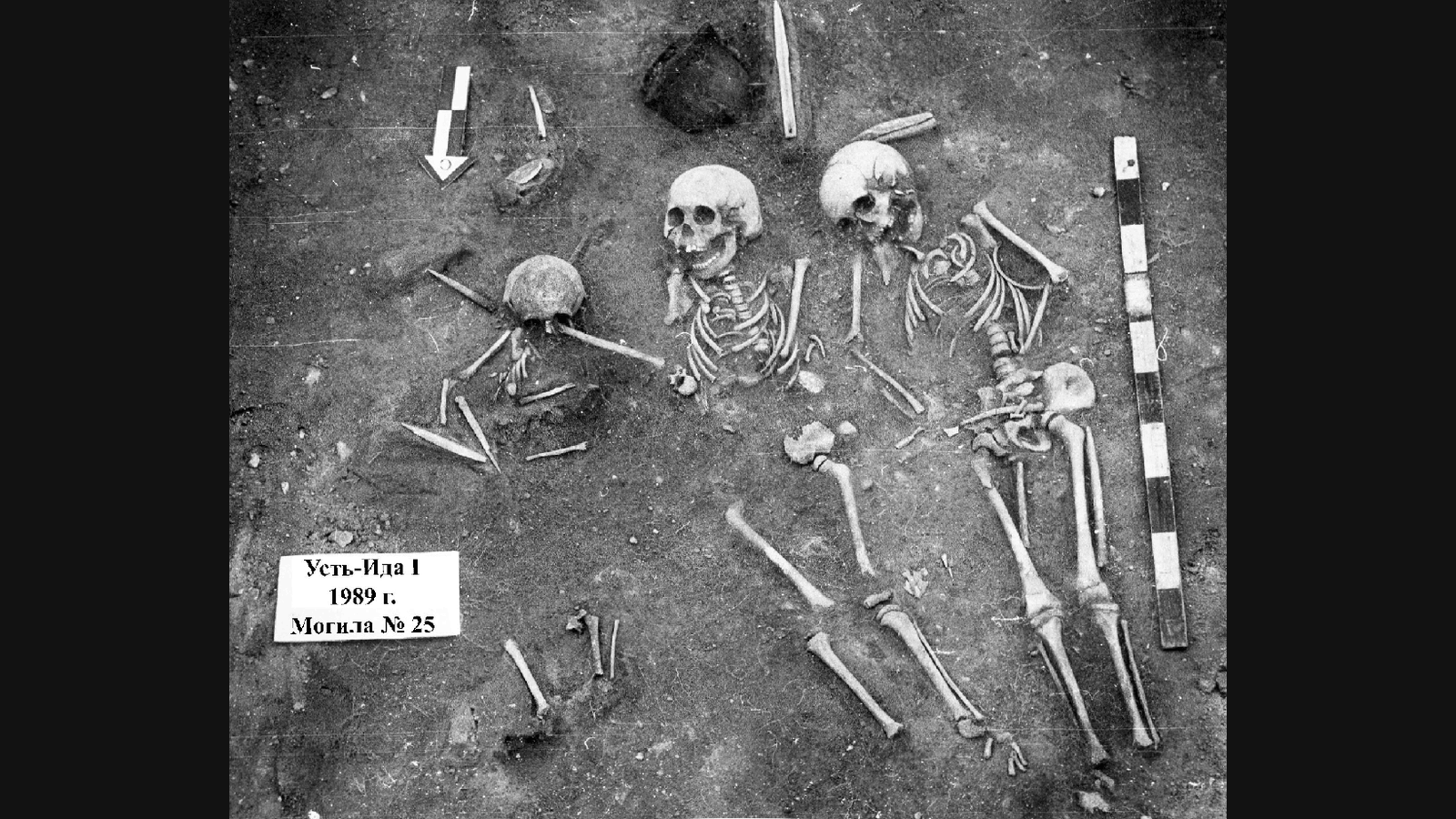
Child Graves Near Lake Baikal Reveal Plague’s Deadly Reach 5,500 Years Ago
A prehistoric Lake Baikal plague outbreak is no longer just a theory drawn from scattered graves. Ancient DNA from children buried near the Angara River in southeastern Siberia shows that Yersinia pestis was killing hunter-gatherer communities around 5,500 years ago, long before the Black Death or the first cities usually linked to epidemic disease. Three…