-
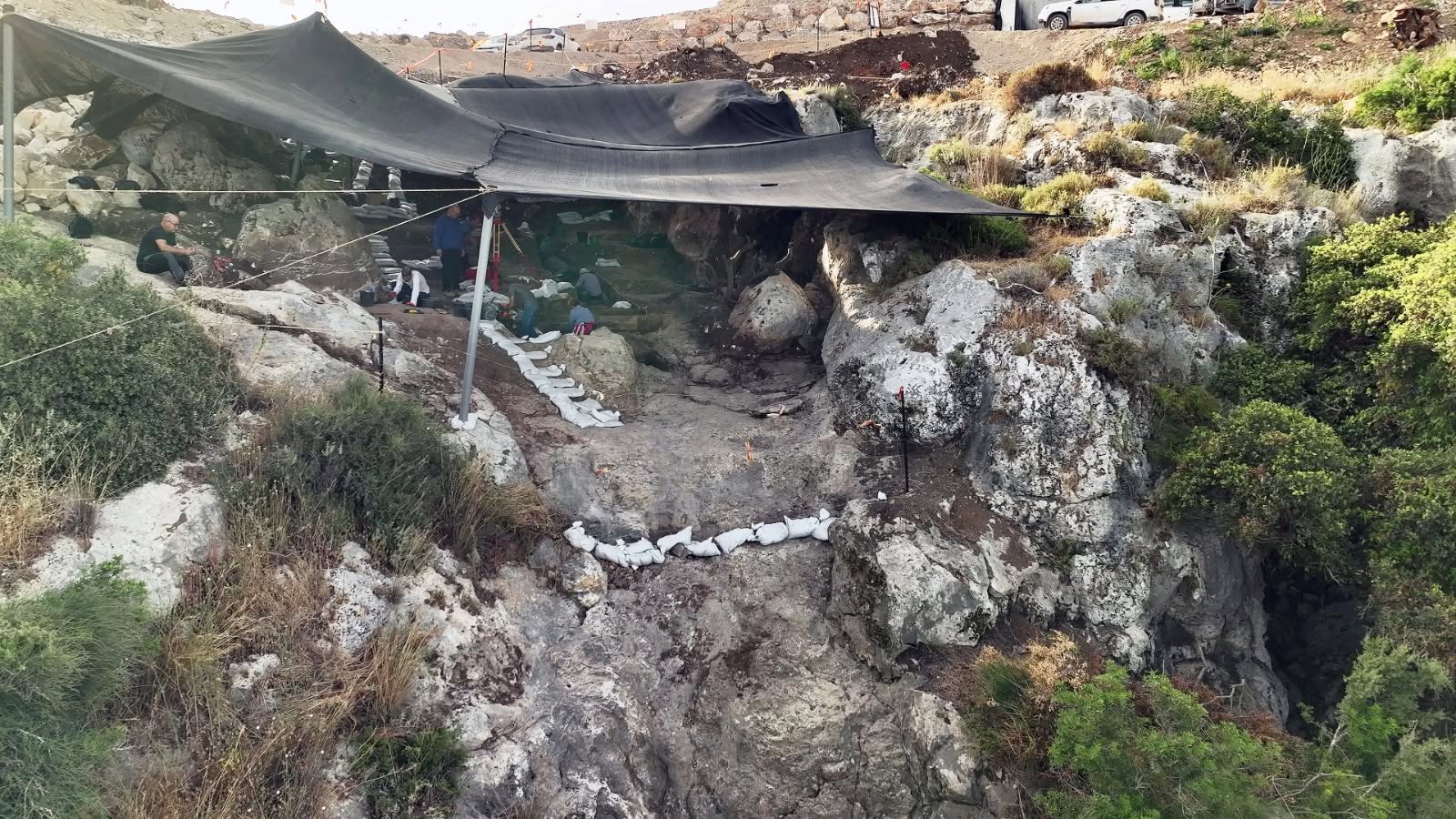
Sealed Cave Near Haifa Preserves 300,000-Year-Old Traces of Early Humans
A sealed prehistoric cave near Fureidis, south of Haifa, is giving archaeologists a rare chance to study human life in the Levant around 300,000 years ago. The cave is being uncovered by the Israel Antiquities Authority and the University of Haifa, with support from Ayalon Highways. Researchers say the site was sealed for hundreds of…
-
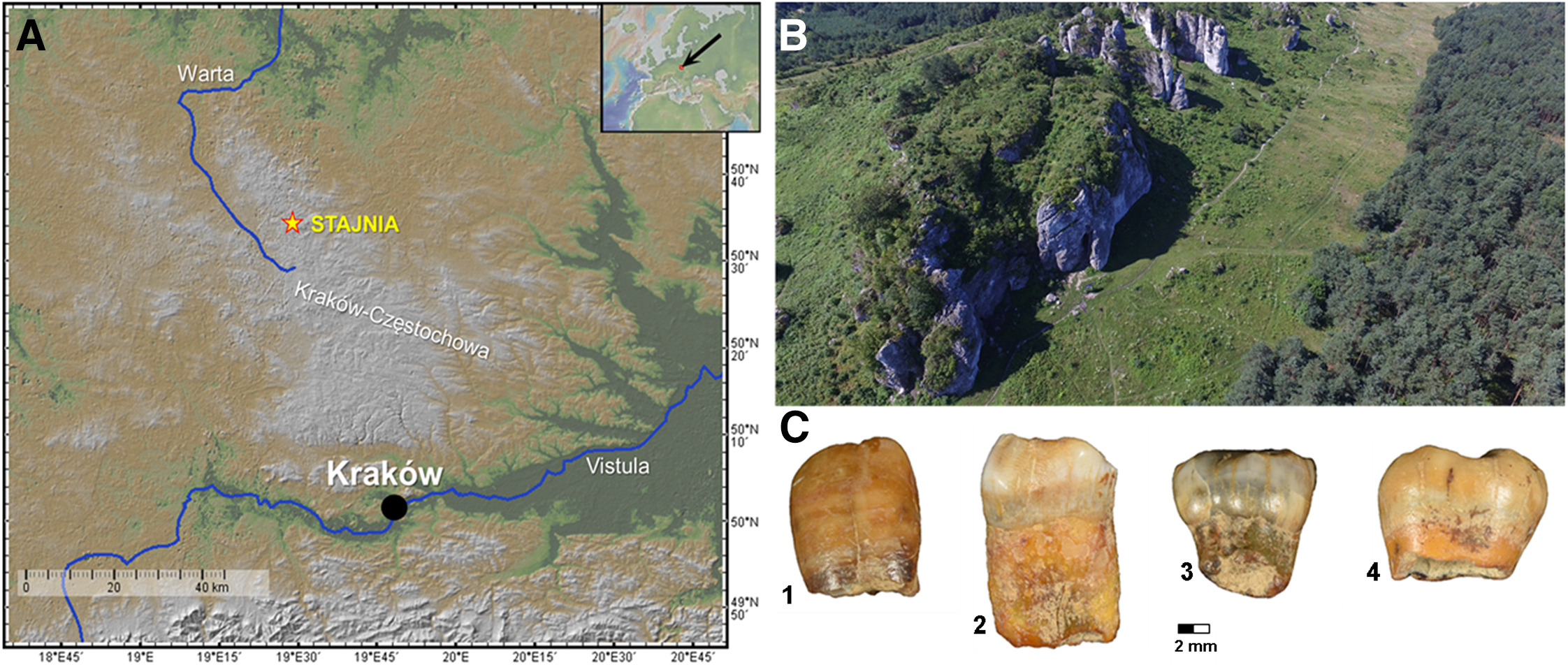
100,000-Year-Old Teeth from a Polish Cave Reveal Central Europe’s Oldest Neanderthal Genetic Group
A few ancient teeth from a cave in southern Poland have given researchers a rare genetic portrait of Neanderthals who lived north of the Carpathians nearly 100,000 years ago. The teeth, recovered from Stajnia Cave in the Kraków-Częstochowa Upland, belonged to at least seven Neanderthals who lived between about 120,000 and 92,000 years ago. The…
-
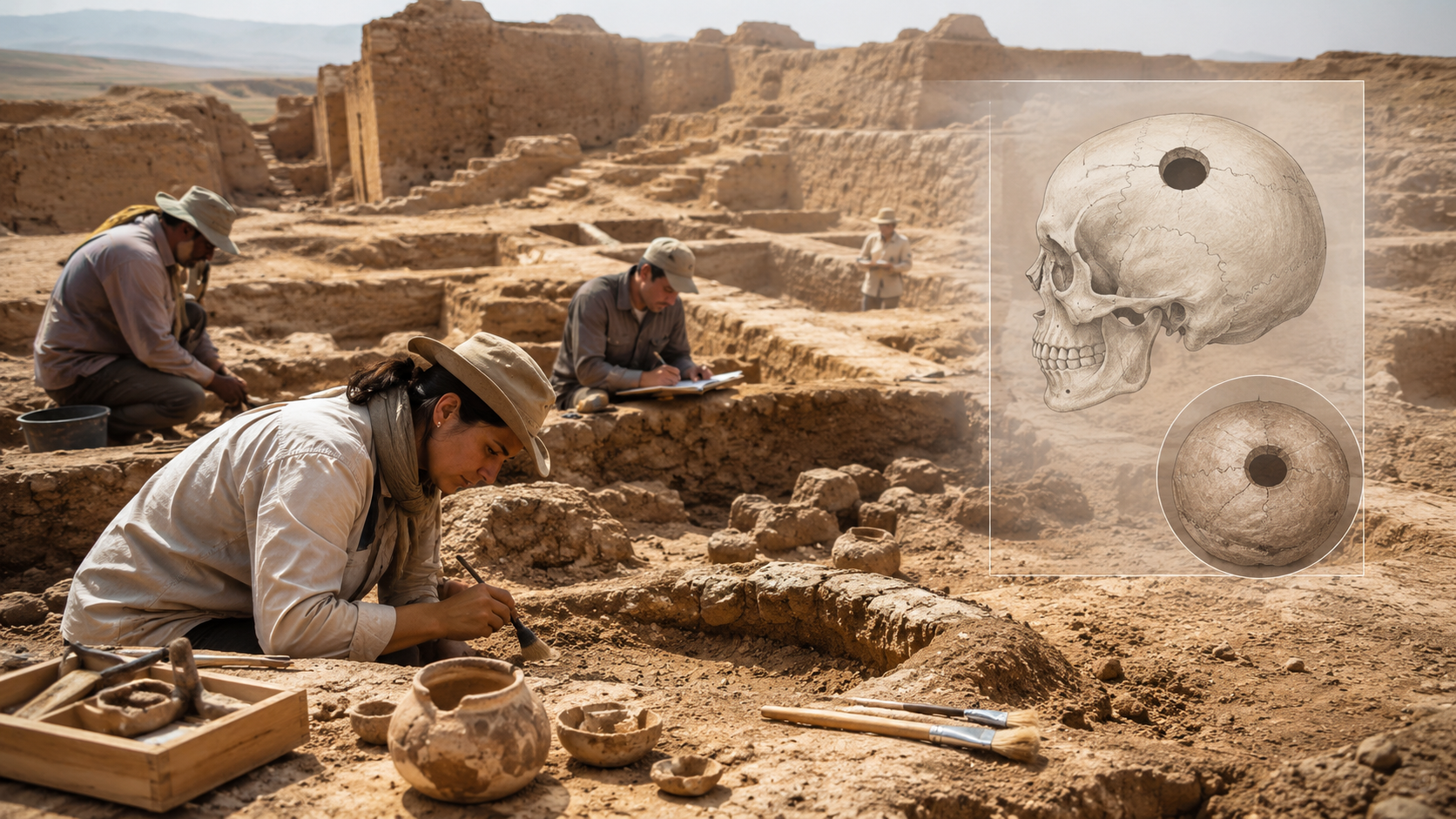
A 4,000-Year-Old Child’s Skull in Uzbekistan Reveals a Risky Bronze Age Surgery
A small grave in southern Uzbekistan has drawn archaeologists into one of the most difficult corners of Bronze Age life: illness, childhood, and the decision to cut into a human skull. At Djarkutan, a major settlement of the ancient Oxus civilization, researchers uncovered the remains of two children buried side by side. One was about…
-
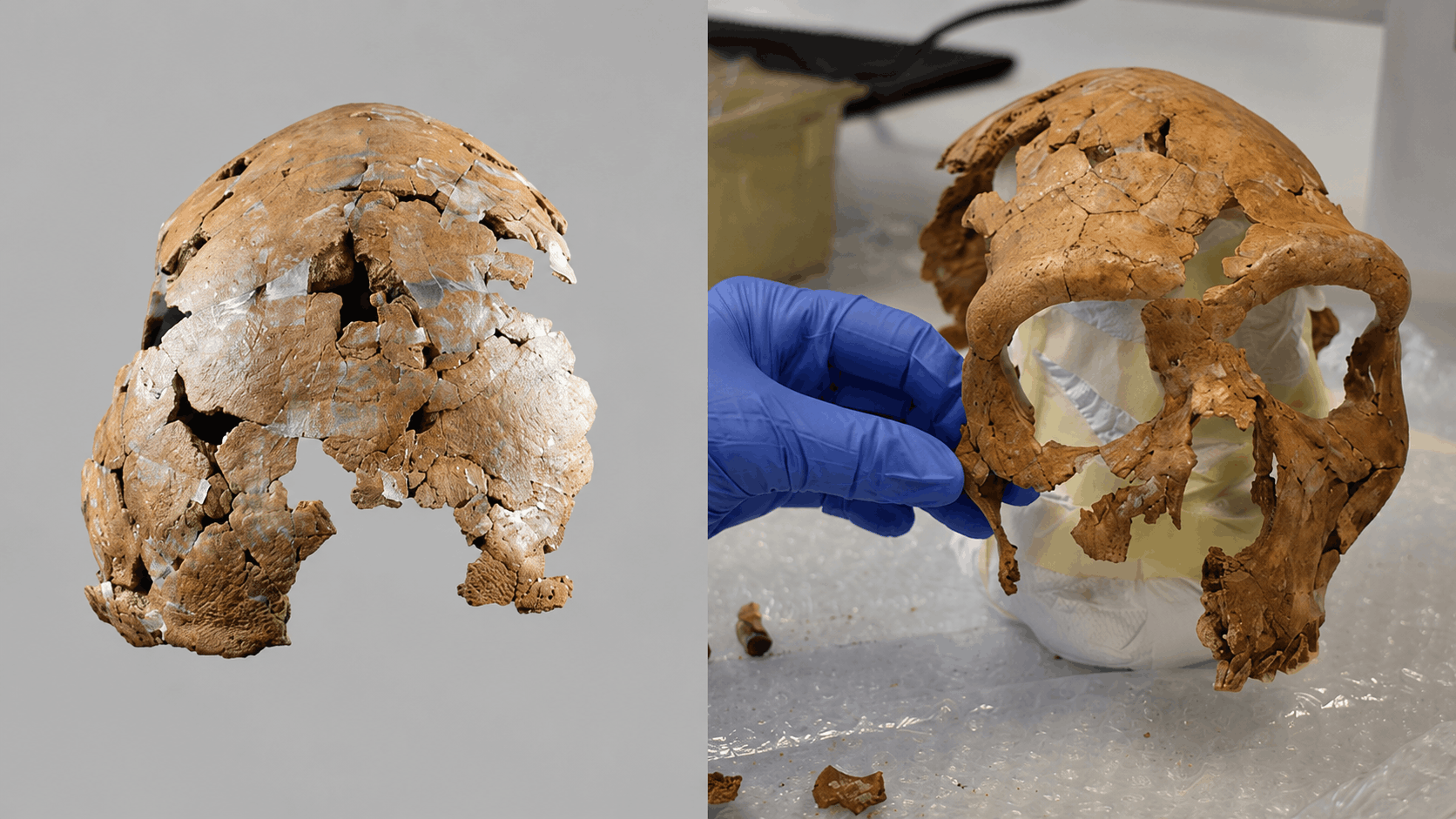
Scientists Reassemble 75,000-Year-Old Neanderthal Skull Crushed Flat in Shanidar Cave
Shanidar Z Neanderthal, one of the most fragile human relatives ever recovered from Shanidar Cave in Iraqi Kurdistan, is giving scientists a rare chance to examine a 75,000-year-old body that almost did not survive excavation. The remains, found during renewed archaeological work at the famous cave, included much of the upper body of an adult…
-

100,000-Year-Old Burned Human Bones in Ethiopia May Reveal Earliest Trace of Cremation
On a floodplain in Ethiopia’s Afar Rift, early Homo sapiens left behind stone tools, animal bones and human remains that open an unusually close window onto life and death 100,000 years ago. A new study published in Proceedings of the National Academy of Sciences reports discoveries from the Halibee Member of the Dawaitoli Formation, part…
-

400,000-Year-Old Teeth in China Reveal the First Molecular Evidence from Homo erectus
Chinese scientists have recovered the first molecular data from Homo erectus, using proteins preserved inside 400,000-year-old teeth from China. The discovery, published in Nature, does not involve ancient DNA. Instead, it opens a rarer and more durable archive: tooth enamel, where biochemical traces can survive long after genetic material has disappeared. For a species long…
-

1,300-Year-Old Maize God Sculpture Discovered in Mexico Reveals Epiclassic Beliefs
A 1,300-year-old maize god sculpture discovered in Tlaxcala, Mexico, is offering rare insight into Epiclassic Mesoamerican belief systems and cultural connections across the region. The basalt artifact was uncovered in San Damián Texoloc during excavation work on private land. The recovery was led by José Eduardo Contreras Martínez, working with the National Institute of Anthropology…
-
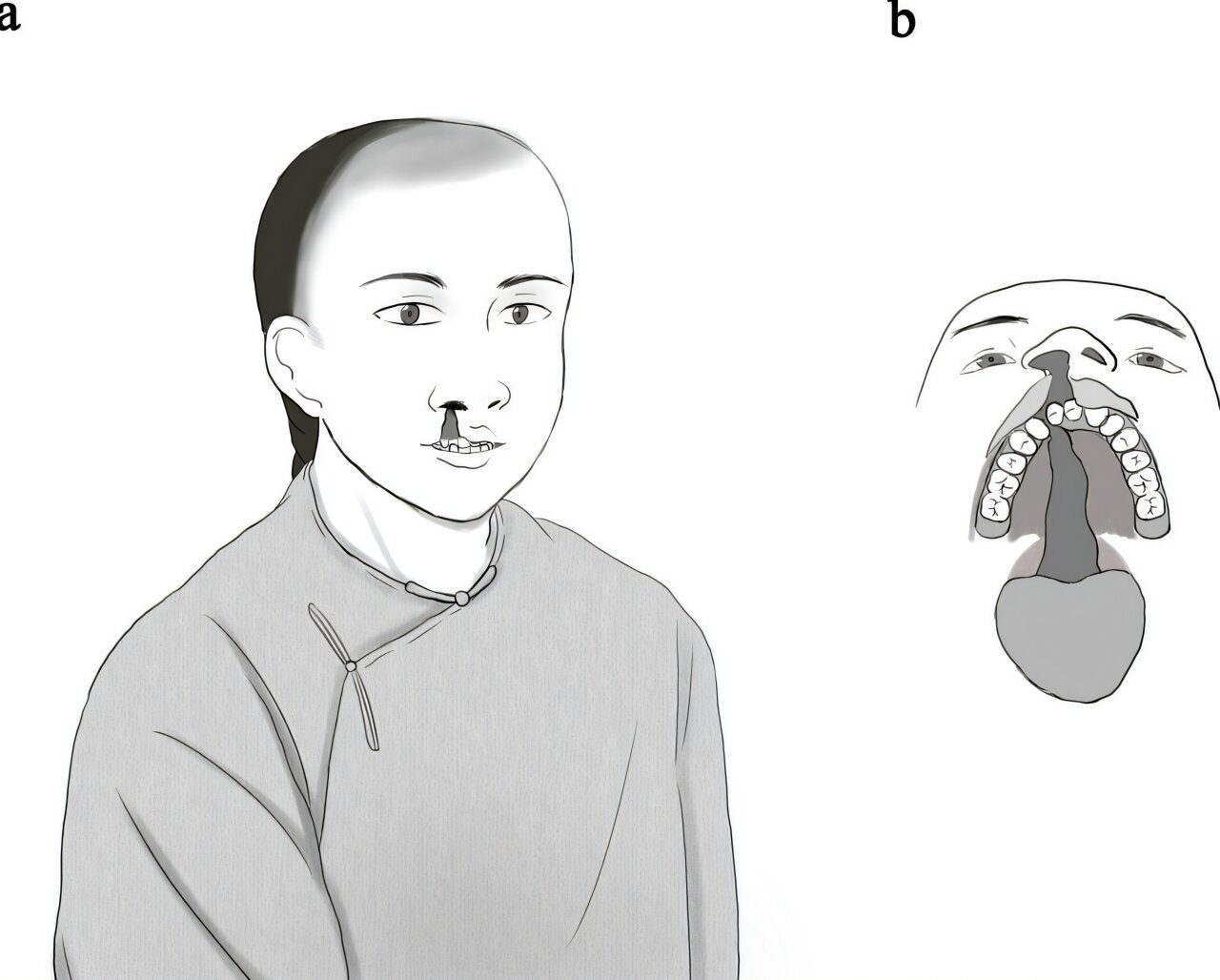
Teen with Cleft Lip Lived and Was Accepted in Qing China, First Archaeological Case Reveals
The first archaeological case of a cleft lip in China has been identified in a Qing Dynasty burial, revealing that a teenager born with a visible facial condition was not pushed aside, but cared for and accepted within his community. The discovery, published in the International Journal of Osteoarchaeology, comes from the Wenchi Cemetery in…
-
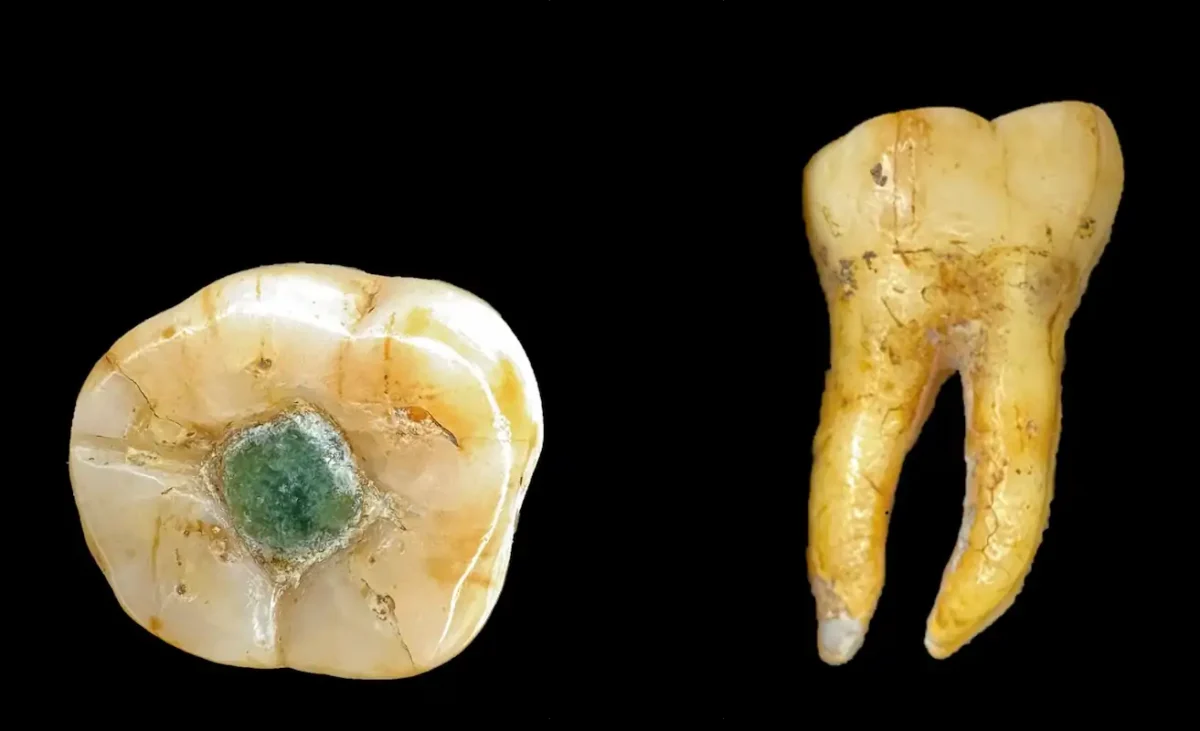
First-Ever Gemstone Filling Found in a Maya Molar — Evidence Shows It Was Done on a Living Person
A rare Maya molar with a gemstone filling has been identified as the first known example of its kind—and scientific evidence shows the procedure was carried out while the individual was still alive. The discovery, based on a detailed analysis of a single tooth preserved in the Museo Popol Vuh, is reshaping what researchers understand…