-
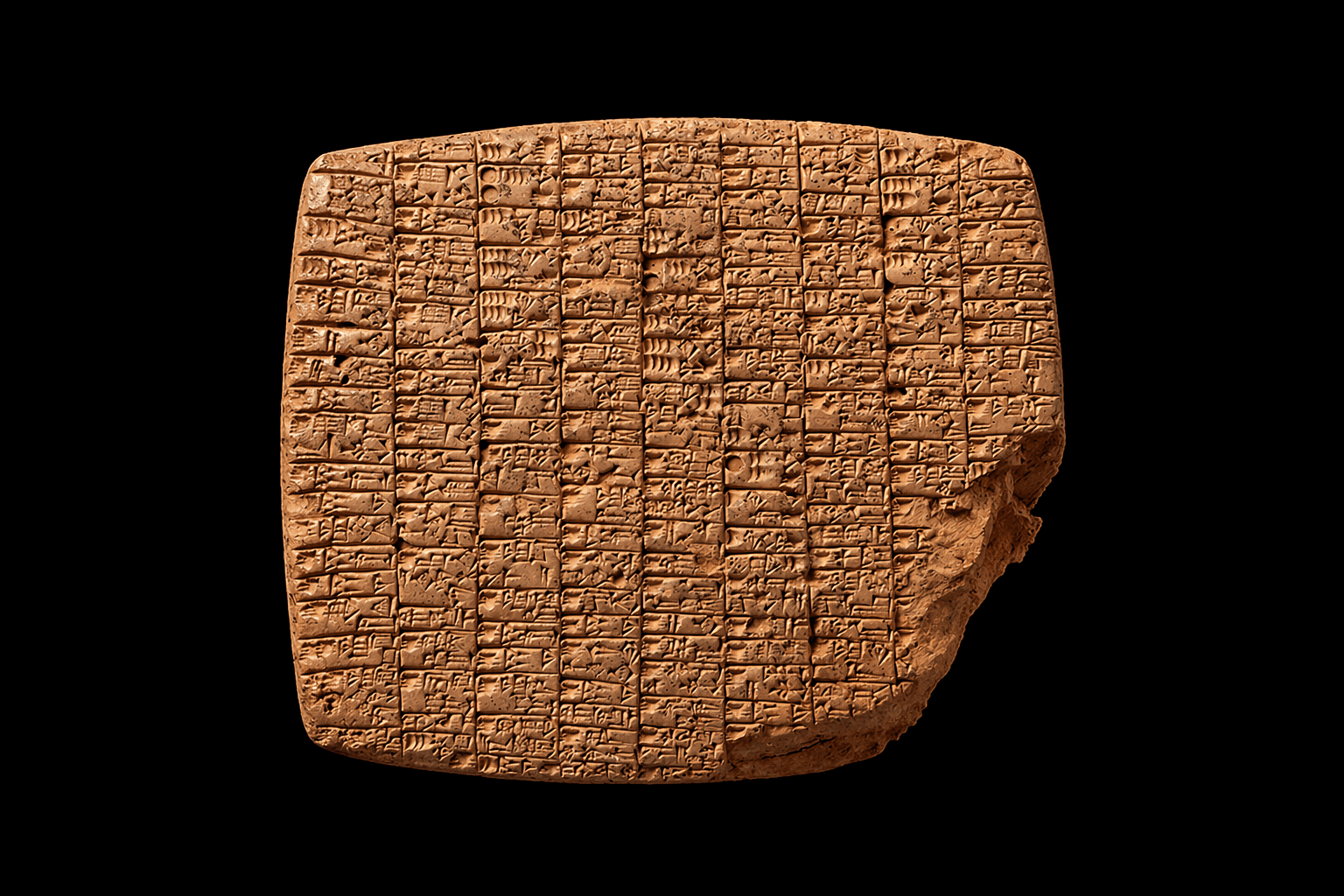
4,000-Year-Old Tablets Reveal How Magic Shaped Power in Ancient Mesopotamia
A vast archive of 4,000-year-old cuneiform tablets is offering a rare, layered view into how ancient Mesopotamian societies understood power. The newly analyzed collection shows that governance was never purely administrative. It was ritual, belief, and control of the unseen—woven together into a single system. Researchers from University of Copenhagen and National Museum of Denmark…
-
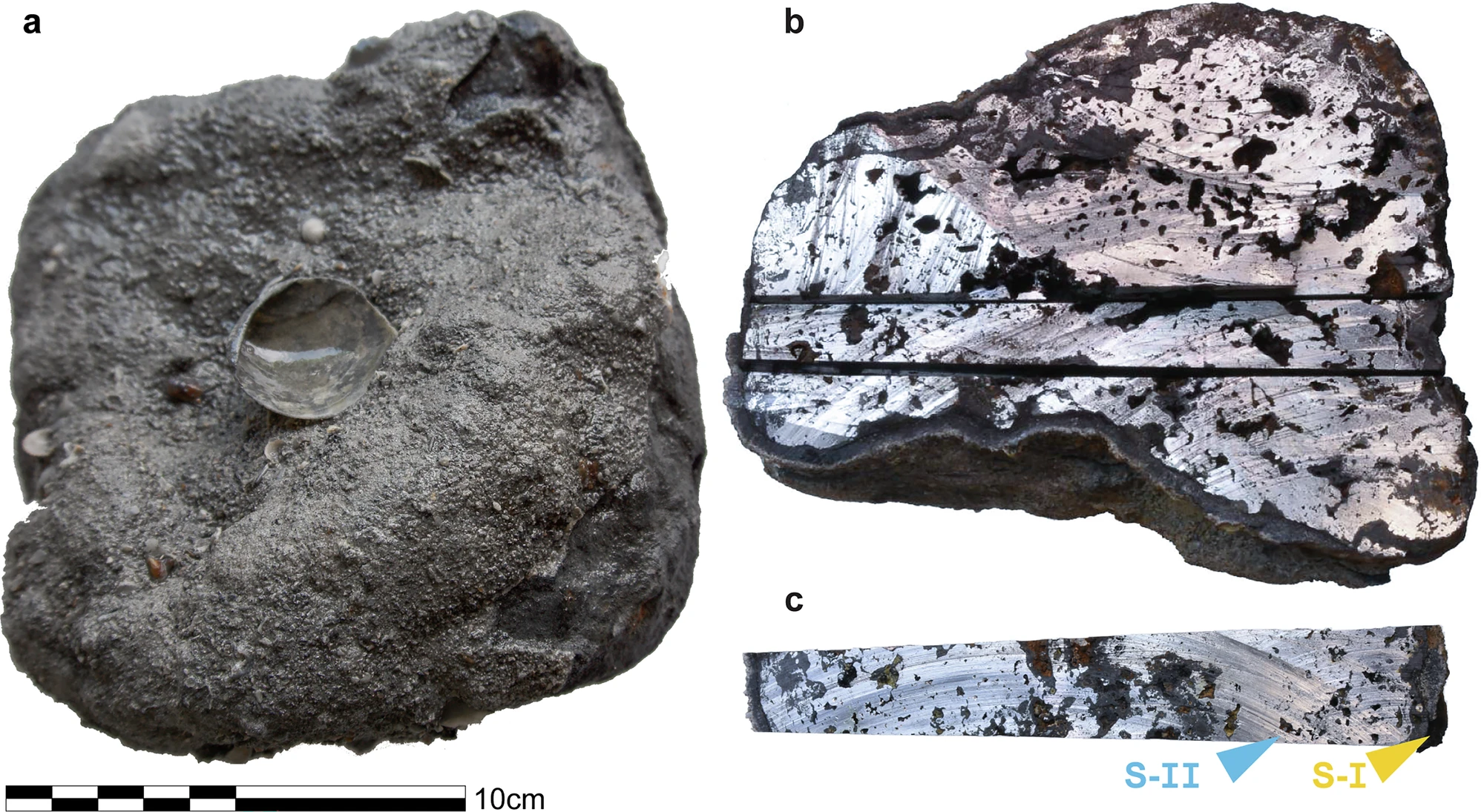
2,600-Year-Old Shipwreck Reveals Raw Iron Trade That Powered Ancient Warfare
Iron trade, long assumed to revolve around finished weapons and refined metal, is now being reconsidered after a striking discovery off the Carmel coast. Beneath the shallow waters near Dor Lagoon, archaeologists uncovered a 2,600-year-old shipwreck carrying raw, unworked iron—evidence that challenges established views of how this critical resource moved across the ancient Mediterranean. An…
-
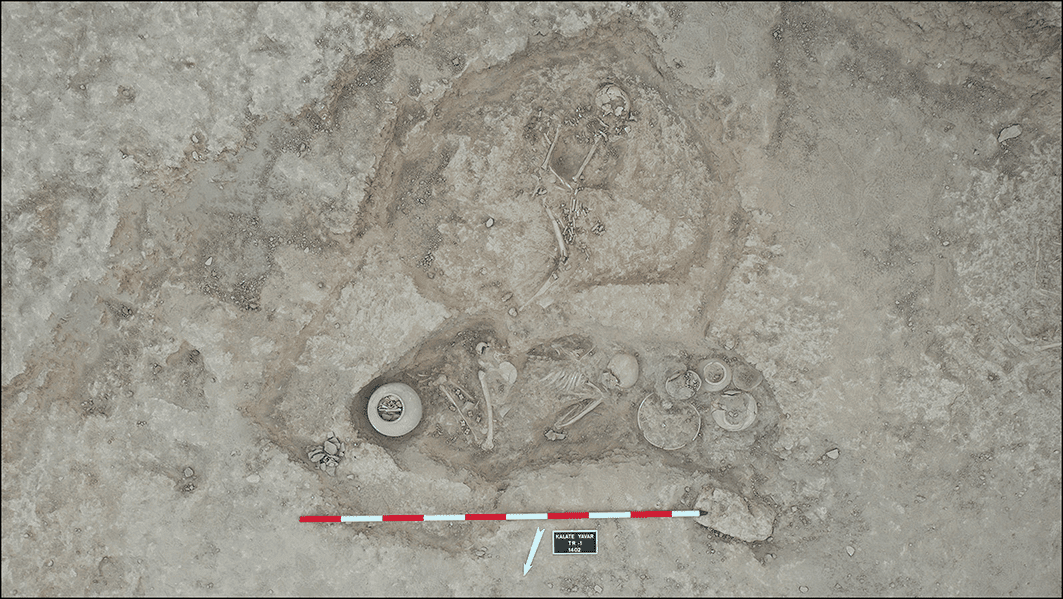
Archaeologists Discover Bronze Age Burials in Iran Revealing Links to the BMAC Civilization
Archaeologists have uncovered a remarkable Bronze Age site in northeastern Iran that is shedding new light on the BMAC civilization of Central Asia. The discovery, made after a local villager accidentally exposed ancient burials at Kalat-e Yavar, is revealing previously unknown cultural connections between the Iranian Plateau and the Bactria-Margiana Archaeological Complex. But the story…
-
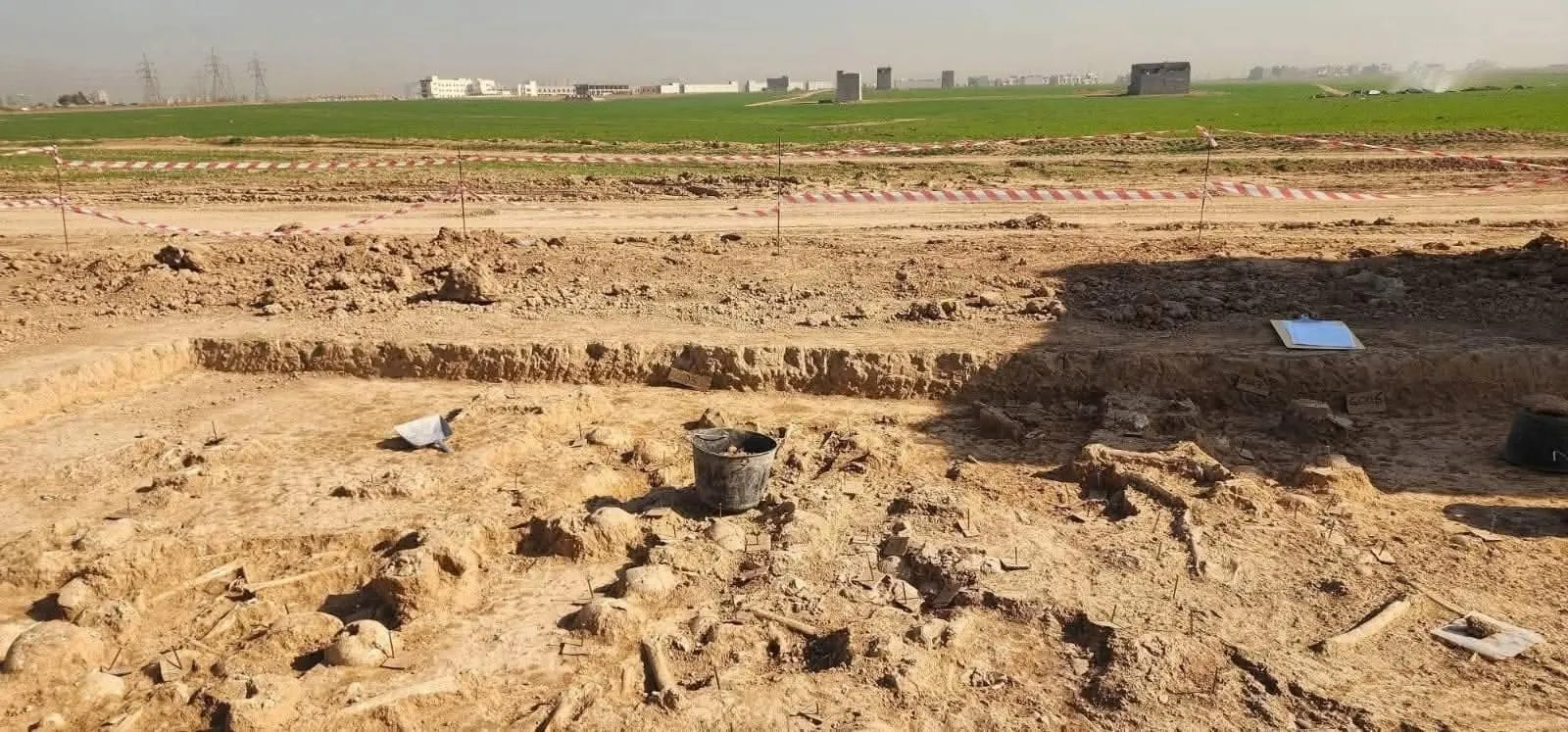
7th-Century Cemetery with Over 100 Skulls Discovered in Erbil During Construction Work
Archaeologists in the Kurdistan Region of Iraq have uncovered a 7th-century cemetery beneath a modern neighborhood in Erbil, revealing more than 100 human skulls and a small assemblage of grave goods that may shed new light on the region’s late antique past. The discovery was made in the Baghlou Minara district of Erbil after construction…
-
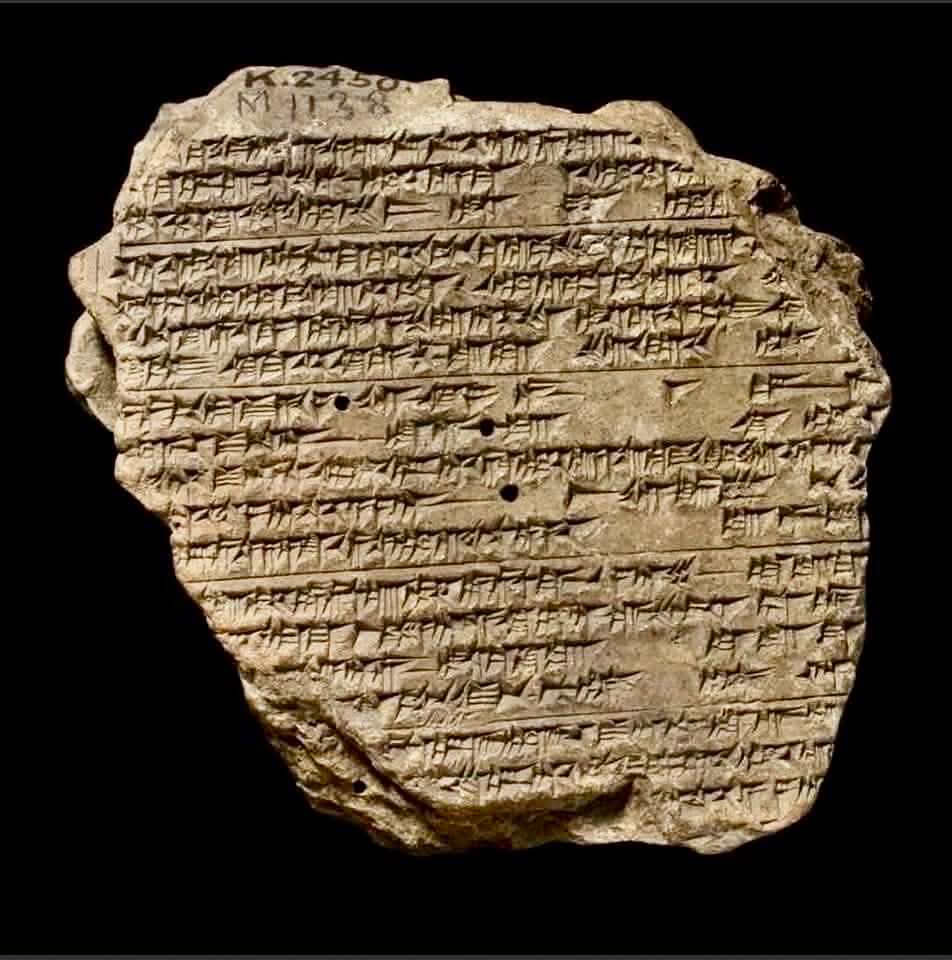
A Clay Tablet from Nineveh Reveals How Ancient Mesopotamians Explained Tooth Decay
In the royal archives of Ashurbanipal, a small creature makes a radical demand. It refuses fruit.It rejects grain.It asks to live between human teeth. This is not medieval folklore or later legend. The claim survives in cuneiform, preserved on Neo-Assyrian tablets excavated at Ninova and now housed in the British Museum. These tablets contain direct…
-

Archaeologists Discover 116-Meter Lead Aqueduct In Situ at Petra
For years, Petra’s water system was described as practical, efficient, mostly gravity-driven. That picture just shifted. On the slopes of Jabal al-Madhbah, archaeologists have identified a 116-meter pressurized lead pipeline preserved in situ — a feature rarely documented in open-air aqueduct corridors in the eastern Mediterranean. The find sits within a 2,500-square-meter survey zone and…
-
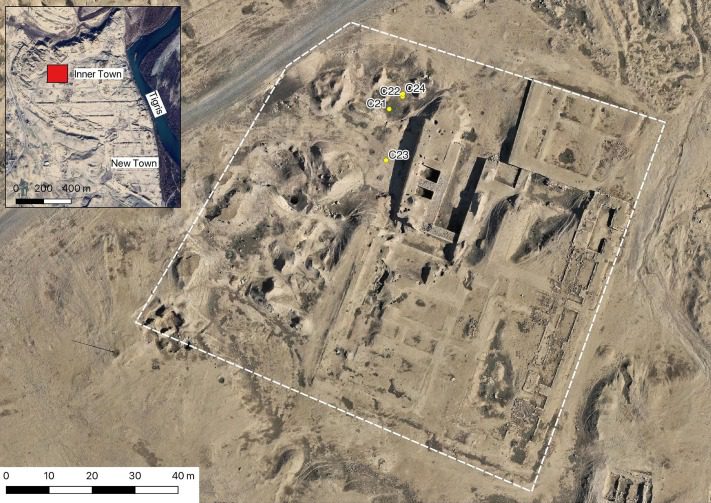
A Hidden Sand Layer Beneath Assur’s Ishtar Temple Is Changing How Scholars Understand Early Mesopotamian Religion
At the heart of the ancient Assyrian city of Assur, archaeologists have uncovered an unexpected detail that is quietly reshaping long-held assumptions about early Mesopotamian belief systems. Beneath the foundations of the city’s oldest Ishtar Temple, researchers identified a thick, deliberately placed layer of sand—an architectural choice with profound ritual meaning. The discovery suggests that…
-
Sassanid-Era Rock Inscription Discovered in Iran Reveals Royal Festival Calendar
Archaeologists working in southern Iran have identified a rare Sassanid-era rock inscription that offers direct insight into how royal ceremonies were timed and commemorated during late antiquity. Carved into limestone cliffs on the Marvdasht Plain, the short text appears to record an official court festival linked to the winter month of Dey, a period of…
-
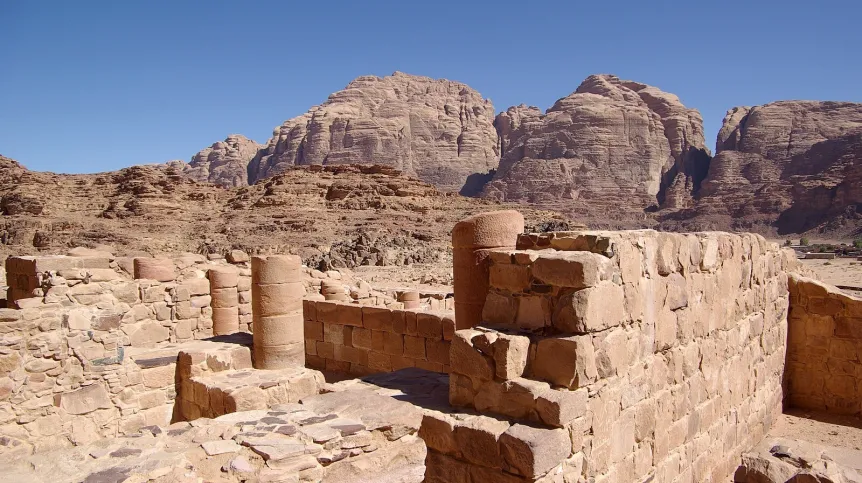
Who Built the Gods’ Houses? Sacred Architecture and Temple Builders of the Ancient Near East
A temple in the ancient Near East was never just a place of worship.It was a statement—of divine presence, political authority, and collective identity. Every stone mattered. Damage to a sacred block could mean death. Even removing a tool from a temple workshop was believed to risk divine punishment. And yet, behind these imposing sanctuaries…