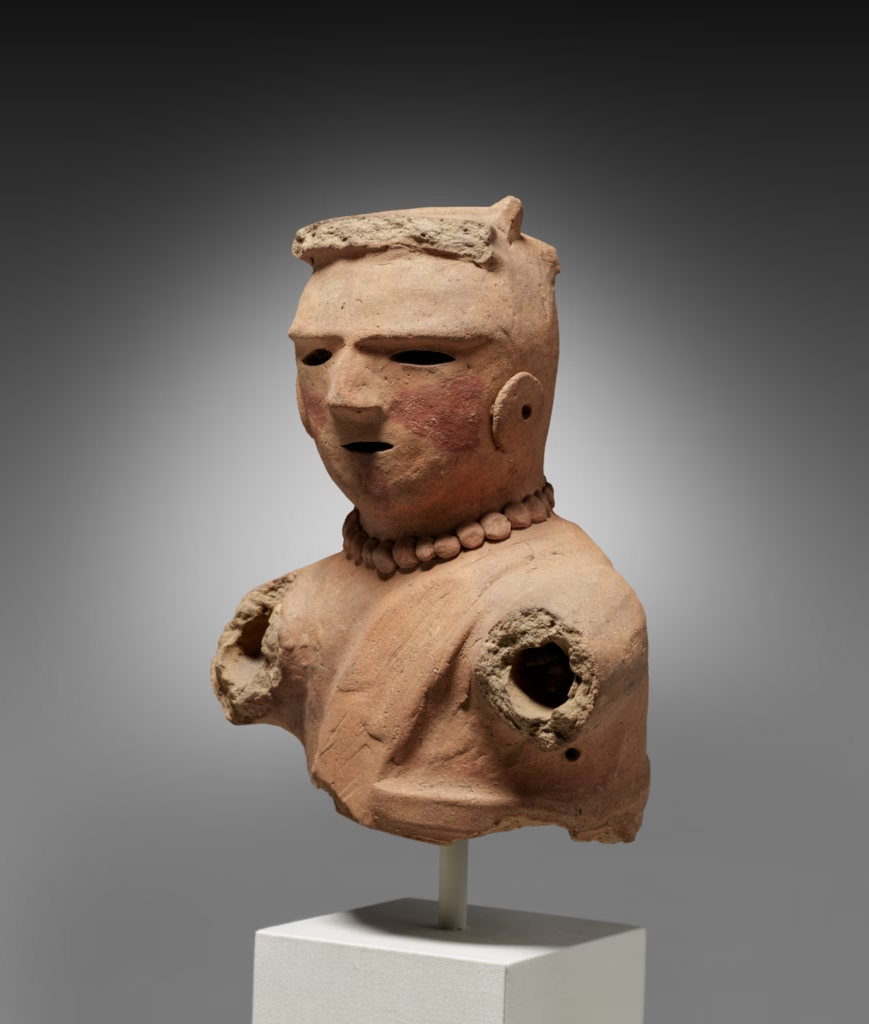
Japan’s Kofun period (AD 300–710) is renowned for its monumental burial mounds surrounded by terracotta sculptures known as haniwa. These clay figures, which began as simple cylinders, evolved into lifelike depictions of people, animals, houses, boats, and objects, offering a vivid window into the spiritual beliefs and daily life of early Japan.
The Iconic “Dancing People” in Tokyo National Museum
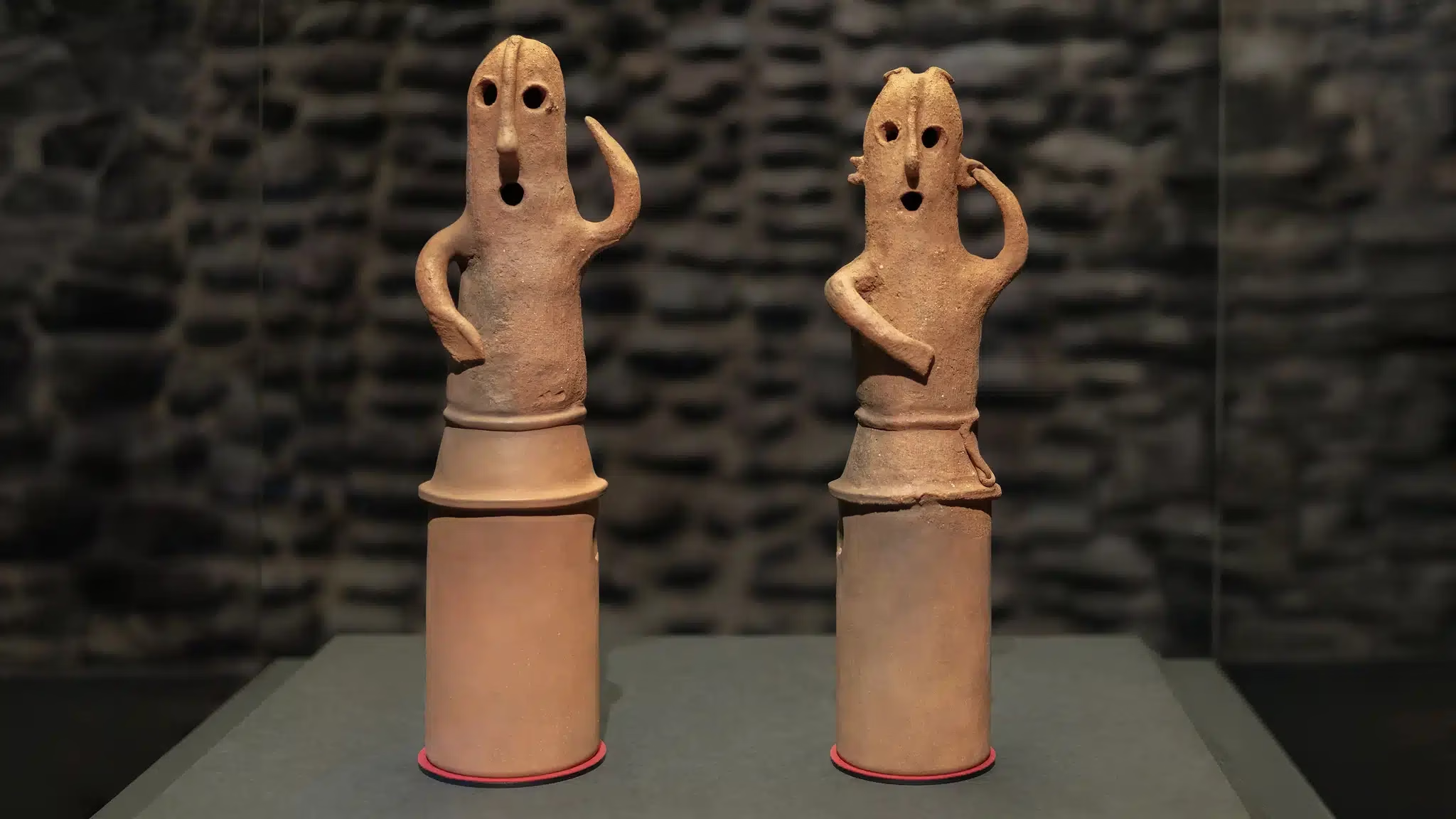
Among the most striking examples are the “Dancing People” haniwa figures, now on display at the Tokyo National Museum. Discovered in 1930 during an excavation at a burial site in Saitama Prefecture, these statues date back roughly 1,500 years.
With their hollow, round eyes, open mouths, and outstretched stick-like arms, the terracotta dancers embody a minimalist yet deeply expressive style. Scholars believe their posture may represent performers at funerals or religious ceremonies.
Competing Scholarly Interpretations
The meaning of these figures remains debated among archaeologists:
- In 2008, Yoshio Negita suggested that the pair represents a farmer and his wife, citing the hairstyle and clay details on the smaller figure.
- In 2007, Yoshimichi Tsukada proposed that they might instead depict horse handlers, emphasizing the Kofun elite’s close ties to horses.
Such interpretations highlight the complexity of Kofun-era funerary symbolism and continue to fuel academic discussion.
Spiritual Significance of Haniwa
Far more than decoration, haniwa figures reinforced the boundary between the living and the dead. Many were believed to protect the spirits of the deceased, serving as guardians of the afterlife. Thousands of these terracotta sculptures unearthed across Japan testify to the deep ritual and symbolic traditions of ancient Japanese society.
Cover Image Credit: Dancing haniwa figures from the 6th-century Kofun period. Credit: Steven Zucker / Flickr / CC BY-NC-SA 2.0