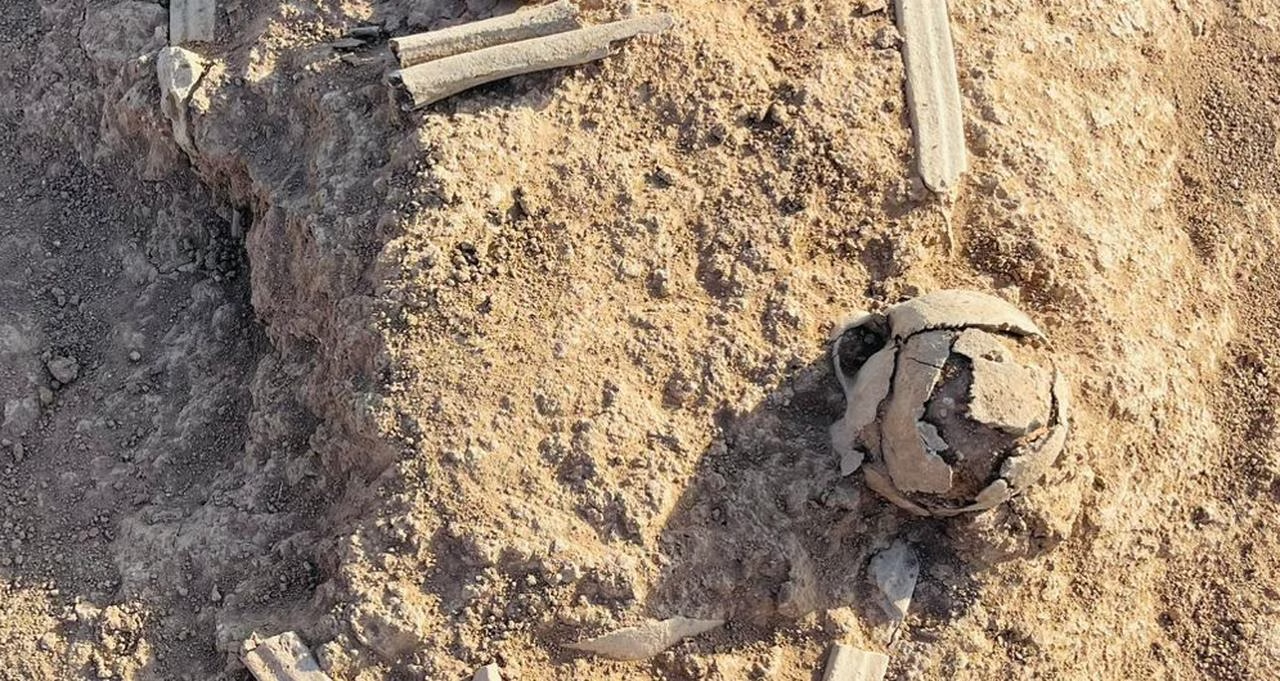
Archaeologists have uncovered at least 40 graves in a newly revealed cemetery near Iraq’s largest dam. The site, believed to date back thousands of years, emerged following a significant drop in the Mosul Dam’s water level.
“We discovered a main city along with a cemetery. This is the first time graves of this type and size have been found in the area. So far, we have uncovered nearly 40 ceramic graves dating back to the Hellenistic period,” said Bekas Brifkani, head of Duhok’s Antiquities and Heritage Department. The period spans roughly from 323 BCE to 31 BCE. Pottery was also found at the site.
The site, located behind the Old Khanke village in Duhok province’s Semel district, resurfaced after severe drought caused water levels at Mosul Dam to plummet.
“Since the construction of Mosul Dam in 1986, numerous archaeological sites have been submerged. We have been monitoring water levels in recent years to locate previously hidden sites,” Brifkani added.
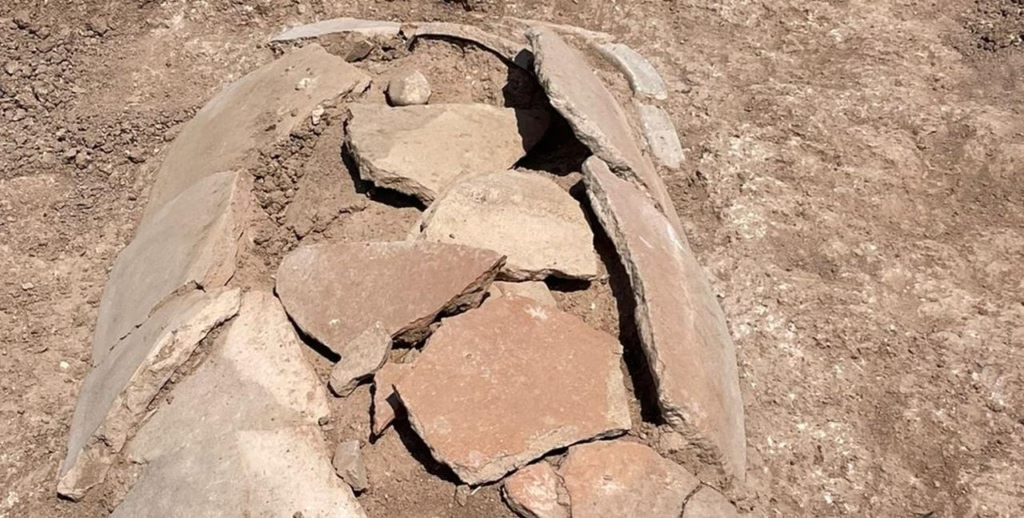
The 14-member archaeological team has worked with foreign experts in the past but now operates independently. Excavations began shortly after the site appeared ten days ago.
Water levels in northern Iraq’s Mosul Dam have fallen sharply in recent months due to a dry winter and reduced upstream releases. Similar drops have occurred only three times in the past 50 years – in 2017, 2023, and now in 2025. Previous receding waters have revealed submerged schools and old villages, including a Yazidi settlement from 1961.
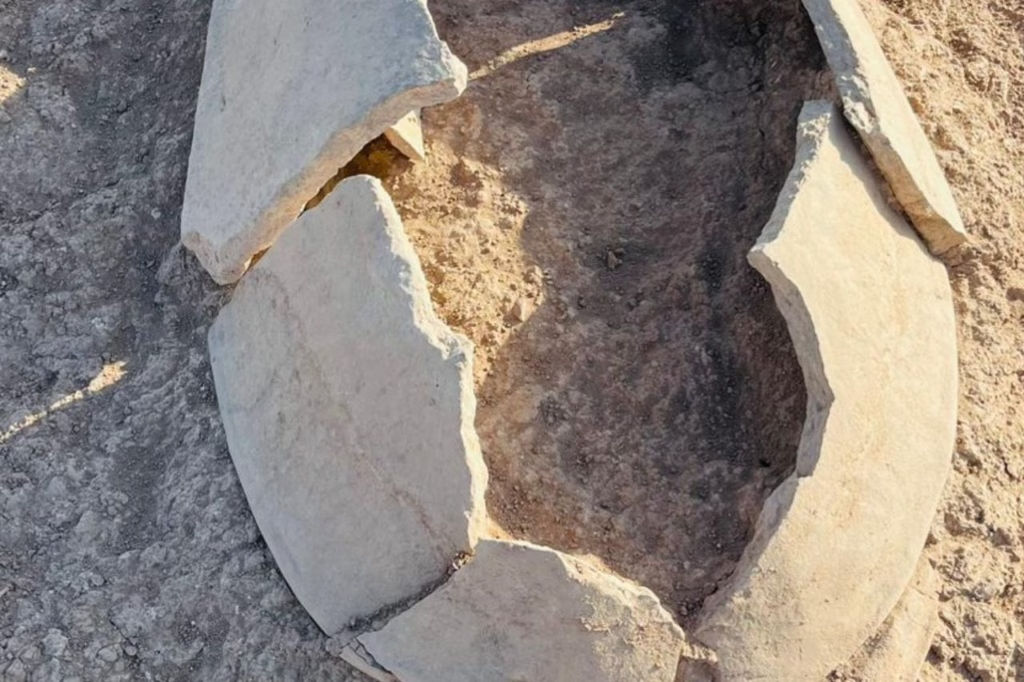
Mosul Dam, capable of storing up to 11 billion cubic meters of water, serves both agricultural and residential needs and generates an average of 580 megawatts of hydropower daily. Construction began in 1981, and the dam became operational in 1986.