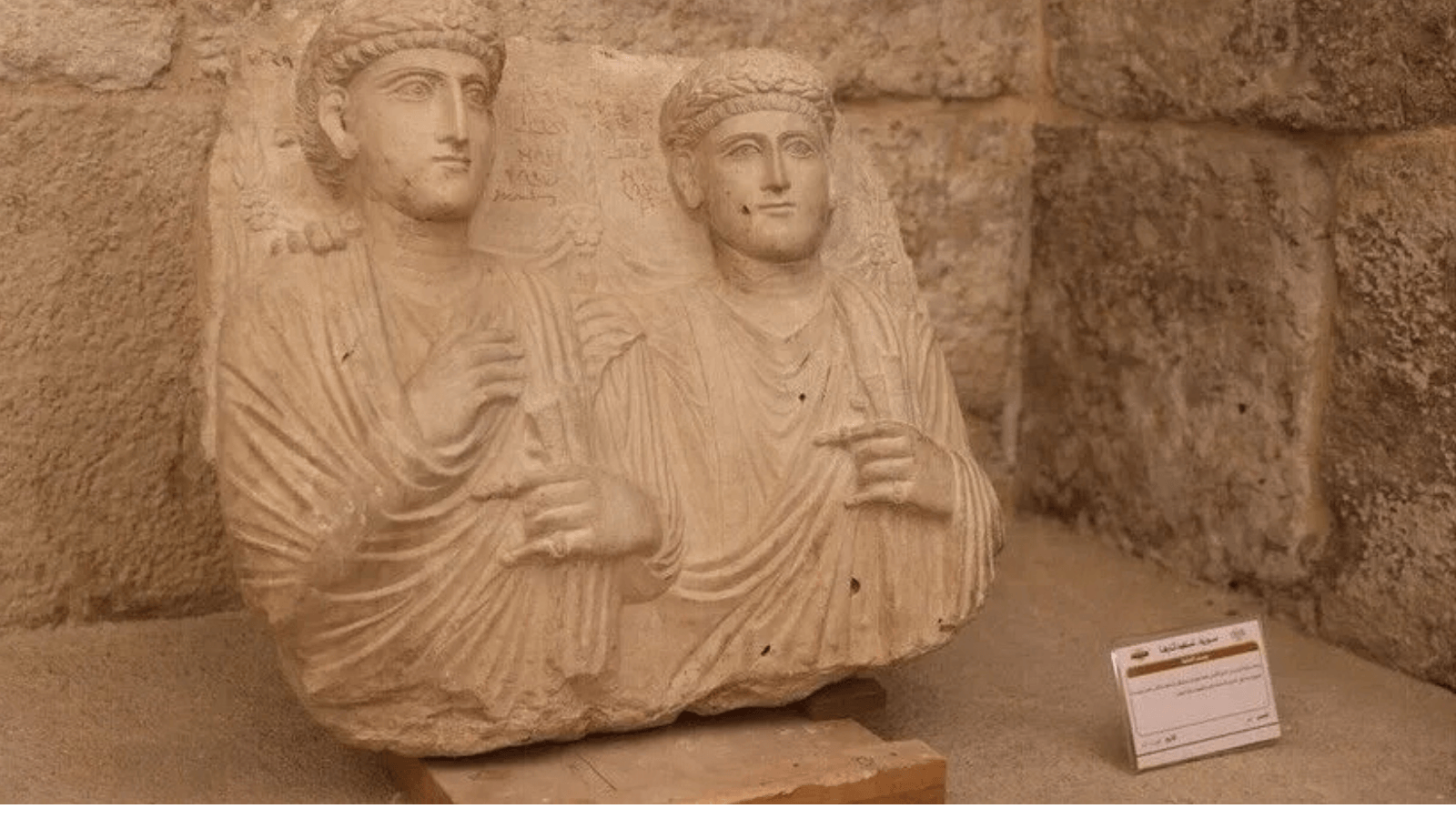
Twenty-three archaeological artifacts returned to Syria from France after about 15 years are now on display at Damascus Citadel, including funerary reliefs from Palmyra and objects dating to the Roman, Byzantine and Islamic periods.
The artifacts are being exhibited in the citadel’s Throne Hall as part of the Syria Summer Festival for the Family 2026, presenting a collection that had remained in France since the outbreak of the Syrian conflict.
Artifacts Return to Syria After 15 Years
The objects were not looted or smuggled out of Syria. They were legally loaned to the Arab World Institute in Paris for exhibitions held in 2010 and 2011.
Their return was delayed after war broke out in Syria and diplomatic relations between Damascus and Paris were disrupted.
The collection was finally returned in July 2026, during French President Emmanuel Macron’s visit to Damascus.
Unlike antiquities recovered through investigations into illicit trafficking, the 23 artifacts had remained in institutional custody in France throughout the period.
Palmyra Funerary Reliefs Among the Highlights
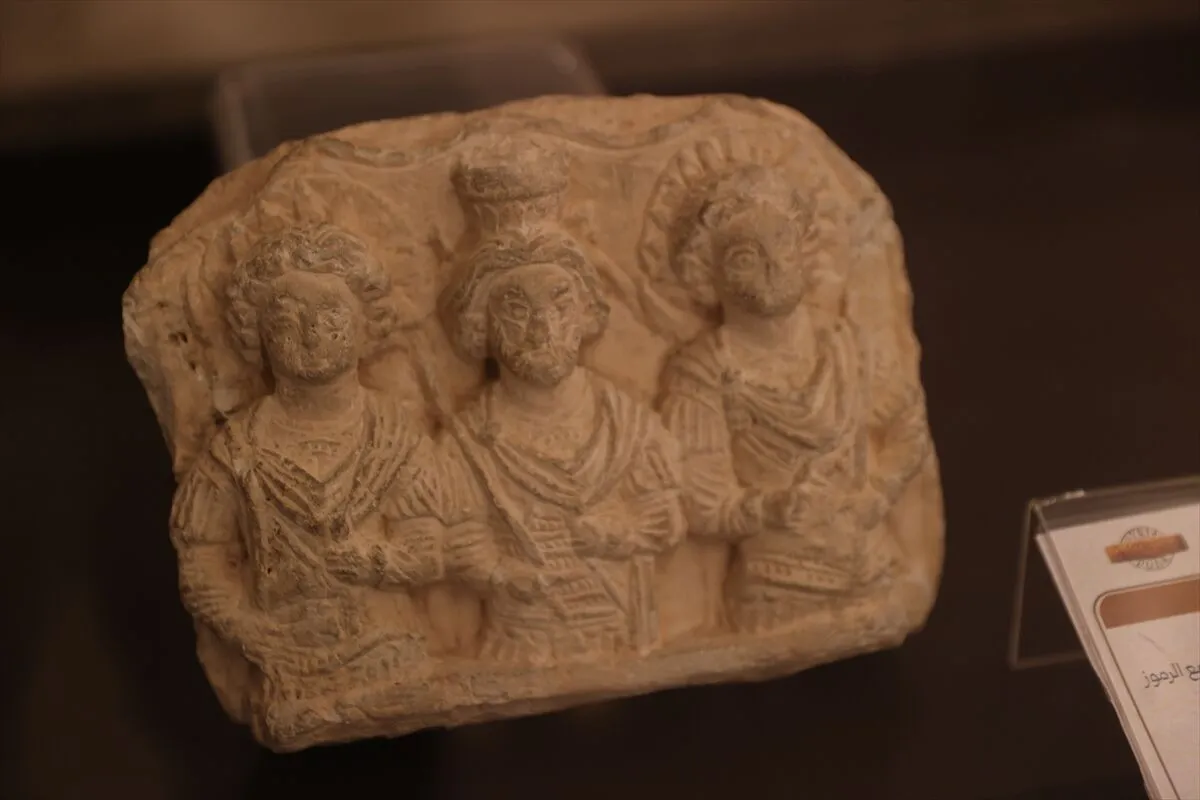
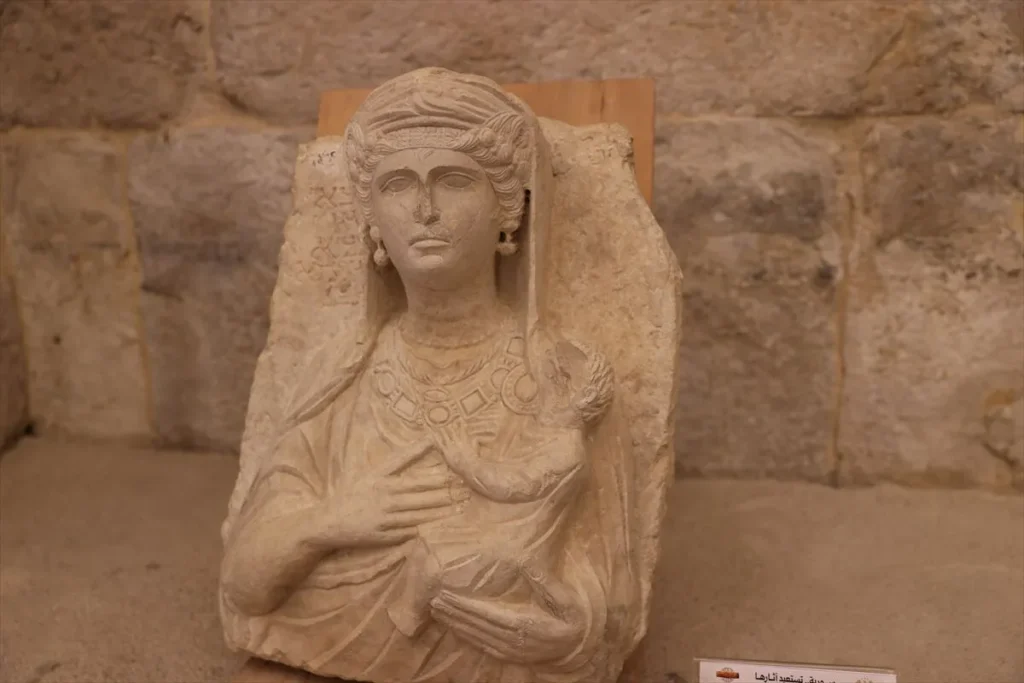
Among the most significant objects are funerary reliefs from Palmyra dating to the 2nd and 3rd centuries AD.
Such reliefs were closely associated with the elaborate family tombs of the ancient city and often depicted the deceased in carefully detailed clothing, jewelry and hairstyles. They provide important evidence for the funerary traditions, social identities and artistic culture of Roman-period Palmyra.
The exhibition also includes inscriptions and other sculptural material connected with Palmyra.
The ancient city became one of the most prominent symbols of the damage suffered by Syria’s archaeological heritage during the conflict, when monuments, museum collections and archaeological sites across the country were damaged, looted or destroyed.
A Collection Spanning Thousands of Years
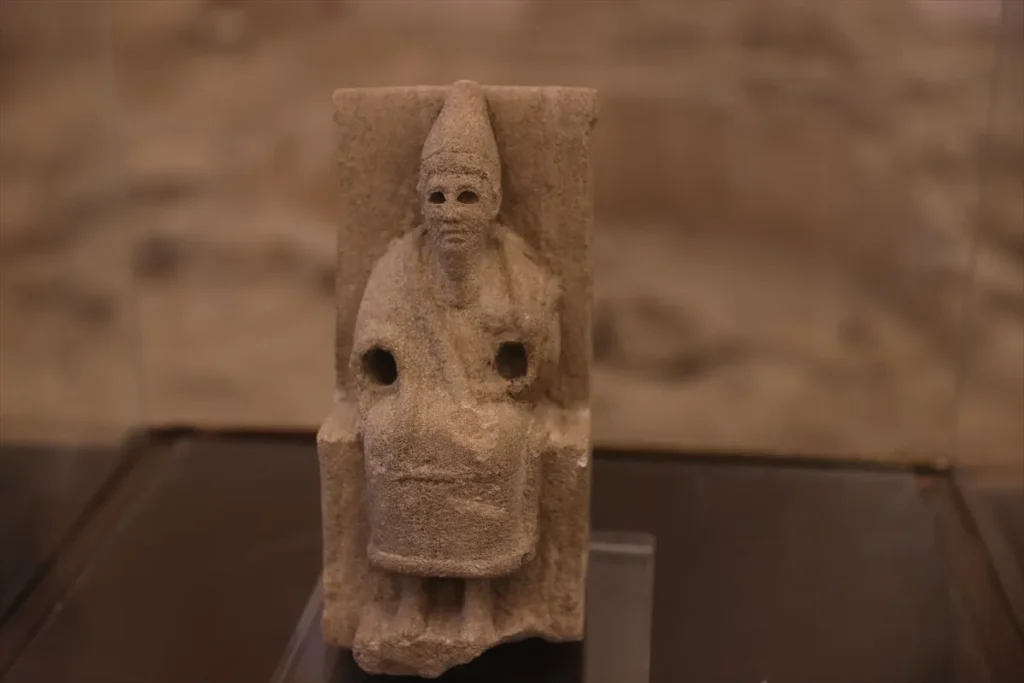
The returned collection extends well beyond Palmyra.
It includes artifacts from the ancient city of Mari, fragments of wall paintings from Qasr al-Hayr al-Gharbi, Roman bronze objects, Byzantine-period material and works dating to the Islamic era.
Together, the objects represent several major phases of Syria’s archaeological and cultural history, spanning periods from prehistoric Syria to the late medieval era.
According to Syria’s Directorate-General of Antiquities and Museums, the Damascus Citadel exhibition is the first public presentation of the collection since its return from France.
The display closes a chapter that began with a museum loan more than 15 years ago and was prolonged by war and diplomatic rupture, bringing the artifacts back into a Syrian museum setting after years abroad.