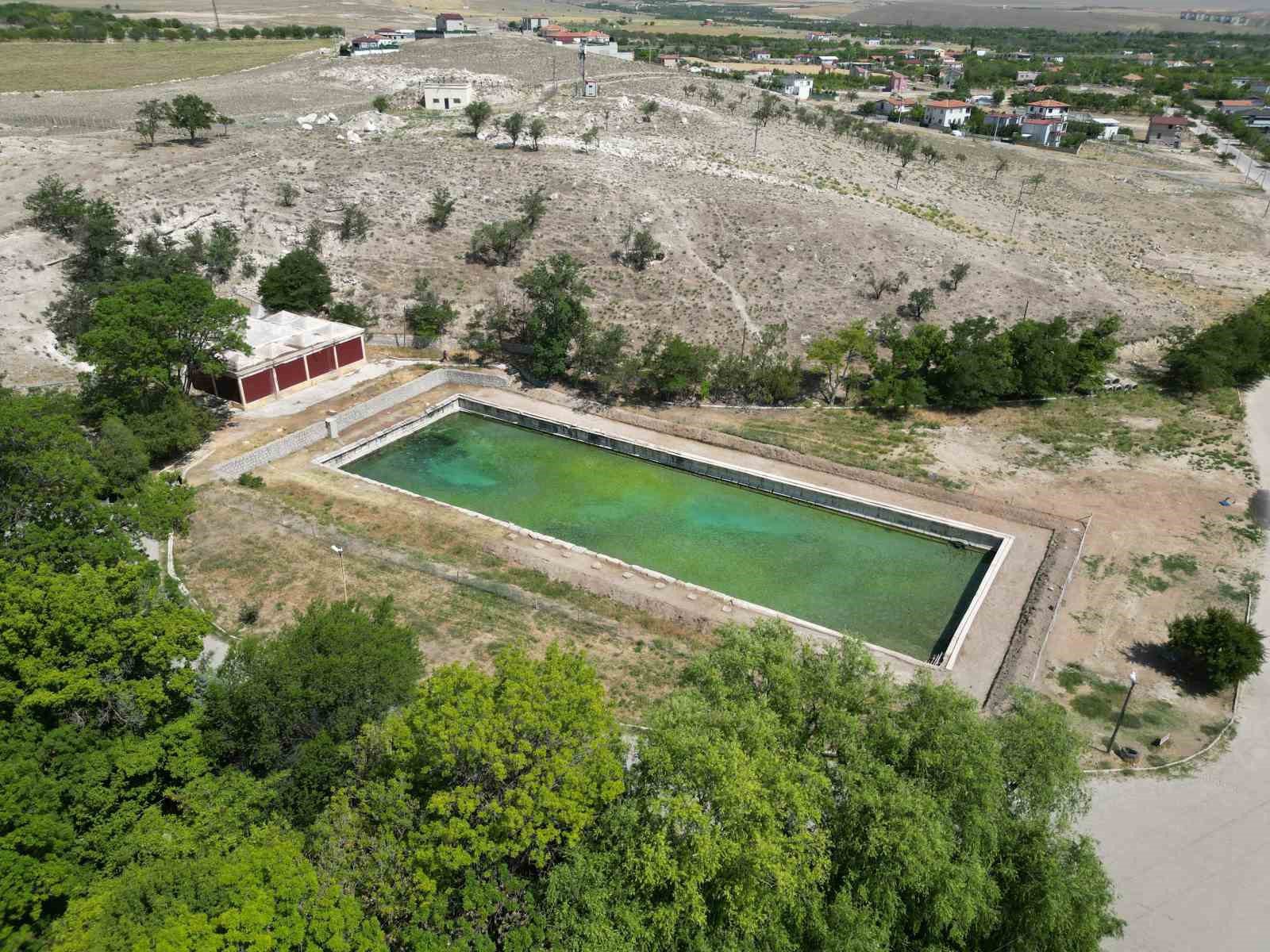
Archaeologists have uncovered striking new evidence that the 2nd-century Roman Fountain in Bahçeli, Niğde, long believed to have supplied water to the ancient city of Tyana, was in fact a healing sanctuary dedicated to the god of medicine, Asklepios.
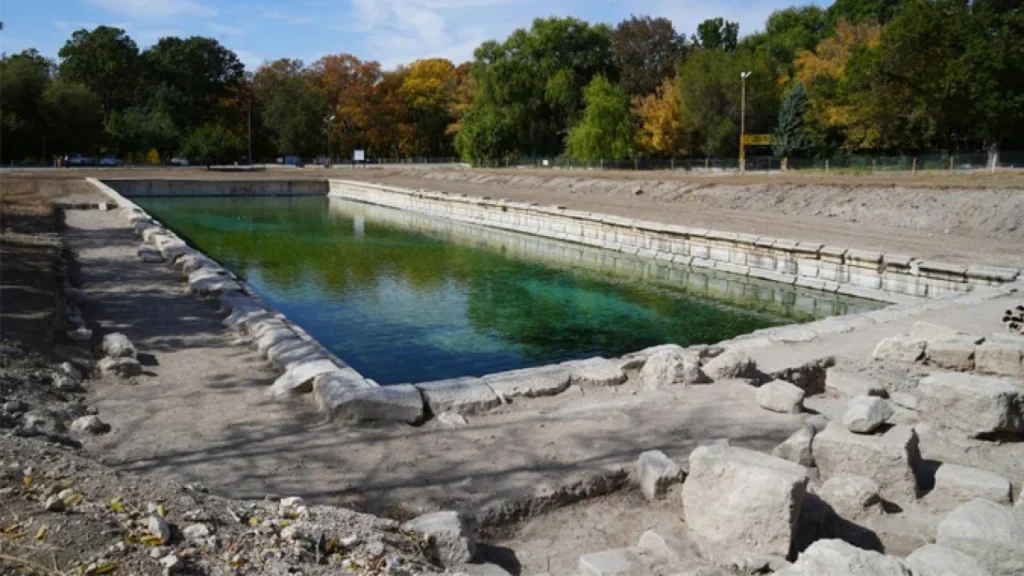
The excavations, led by Prof. Dr. Osman Doğanay from Aksaray University under the “Heritage for the Future” project of Türkiye’s Ministry of Culture and Tourism, have redefined the site’s history after nearly 80 years. Constructed during the reigns of Emperors Hadrian and Trajan, the monumental structure was previously seen as part of Tyana’s hydraulic system. However, the 2025 excavations revealed that it also served as a center for therapeutic rituals involving sacred water.
According to Prof. Doğanay, “Our findings indicate that the Roman Fountain was not merely a utilitarian structure supplying water to Tyana but functioned as a medical and religious complex where healing practices were performed.”
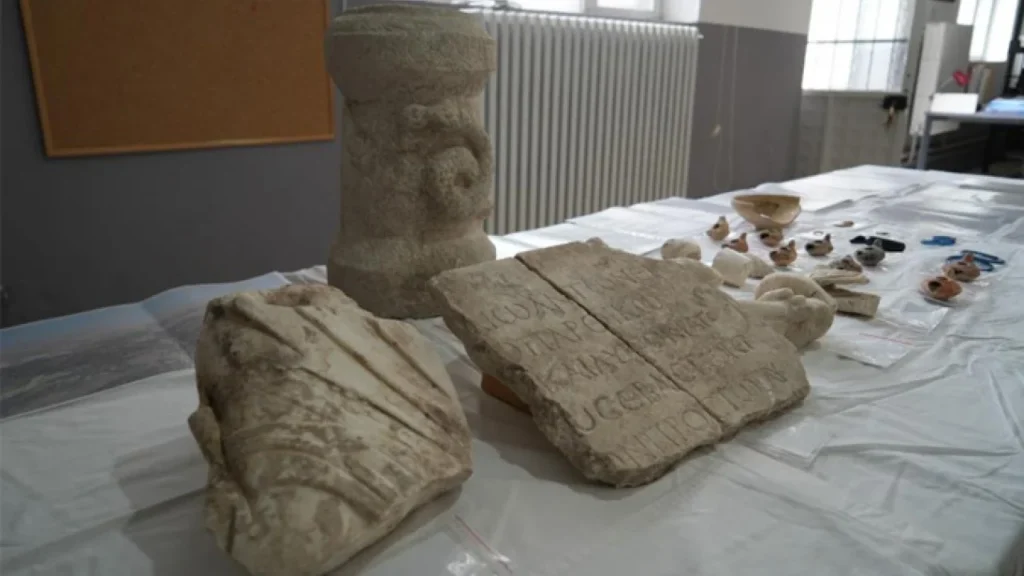
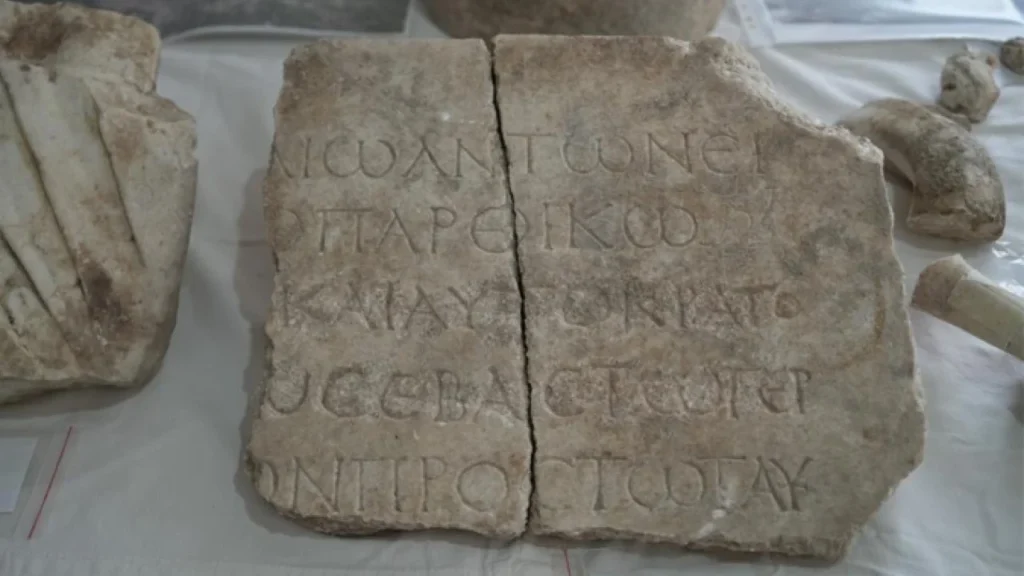
Among the discoveries were altars and sculptures depicting serpents, symbols closely associated with Asklepios, confirming the site’s role in water-based healing ceremonies. An inscribed dedication uncovered at the site further linked the fountain’s construction to the reigns of Marcus Aurelius and Commodus (177–180 CE), pinpointing the exact period of its establishment.
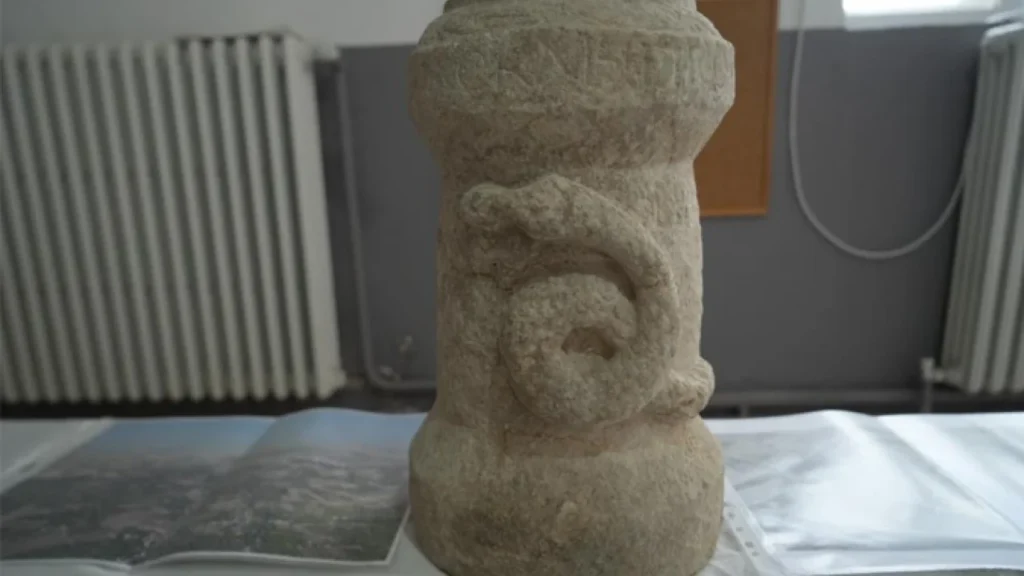
“The inscription mentioning both emperors helped us date the structure precisely,” said Doğanay. “It also shows that the fountain was part of a larger architectural and cultic program, possibly including a temple dedicated to Asklepios on its eastern side.”
The rediscovery of Bahçeli’s Roman Fountain marks a major turning point for Cappadocian archaeology, transforming what was once thought to be a mere water source into a spiritual healing complex. The ongoing excavations are expected to continue through 2026, with plans to fully expose the surrounding architectural remains and open the site to visitors as an archaeological health sanctuary.
“Such healing centers were pilgrimage sites in antiquity,” Doğanay added. “Visitors would come seeking cures, make offerings, and participate in rituals. We believe further excavations will bring even more surprises to light.”