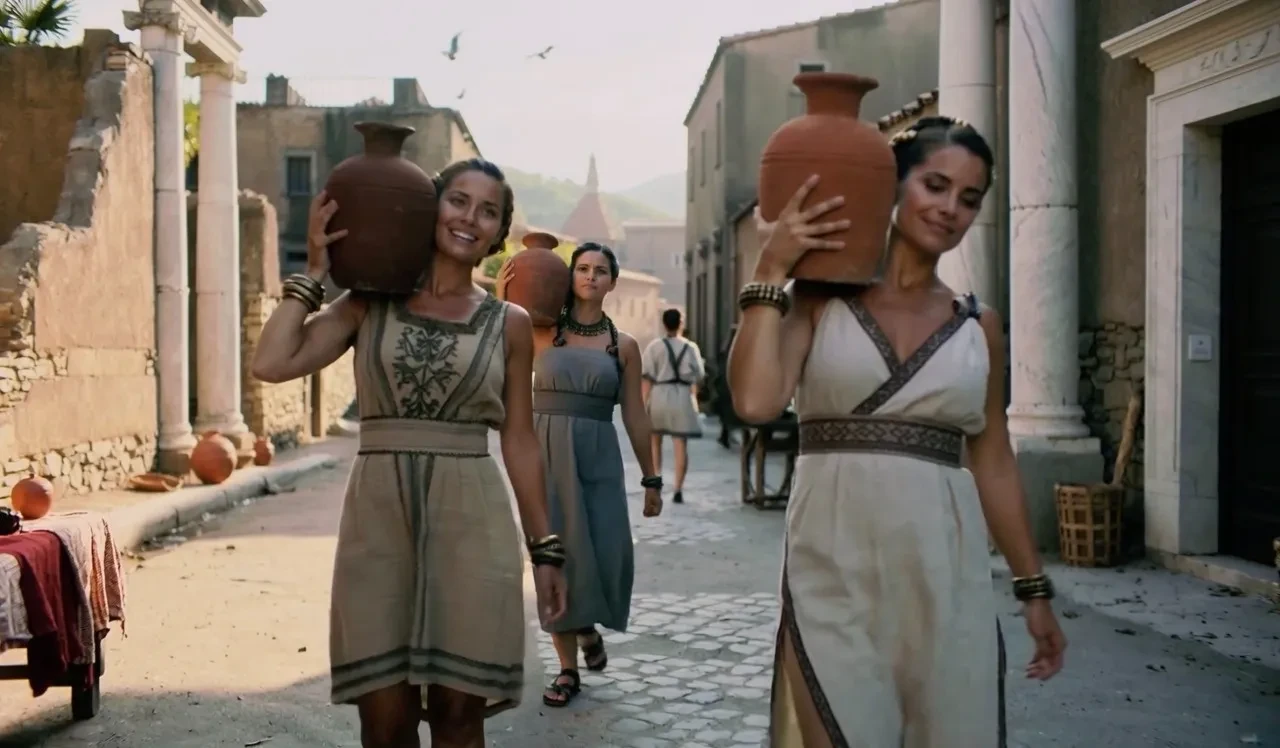
In northern Turkey, the ruins of Pompeiopolis — once the proud capital of Roman Paphlagonia — are being reborn through the lens of artificial intelligence. A new digital reconstruction project led by the Taşköprü Municipality has breathed life back into the 2,000-year-old city, revealing what may have been one of the grandest urban centers in Roman Anatolia.
Perched on the fertile plains of Kastamonu’s Taşköprü district, Pompeiopolis flourished under the Roman Empire as an administrative and cultural hub. Now, using archaeological data and AI algorithms, researchers have recreated the city’s monumental architecture — its basilicas, baths, colonnaded streets, and odeion — in astonishing detail.
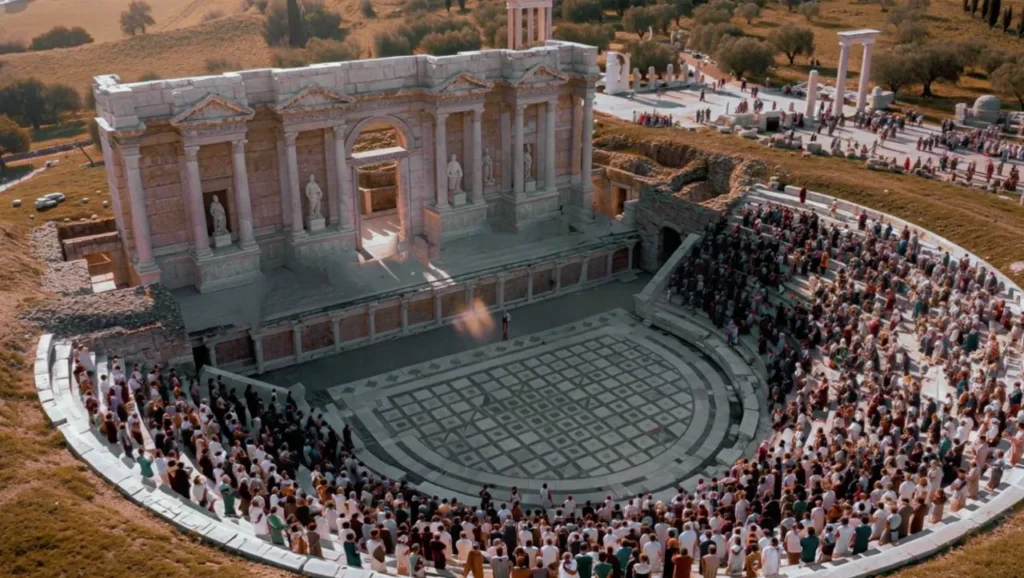
“Pompeiopolis served as the capital of Paphlagonia and holds some of the most remarkable remains in the Black Sea region,” said Taşköprü Mayor Hüseyin Arslan, who has overseen the initiative. “The theatre you see here is the only one in northern Anatolia with an odeion. Even the main streets and villa complexes — some covering more than 20,000 square meters — are beginning to reemerge after 1,800 years.”
Excavations at Pompeiopolis, directed by Assoc. Prof. Dr. Mevlüt Eliüşük of Karabük University, have been ongoing since 2006. This season, archaeologists uncovered a martyrion, a structure thought to have served early Christian communities in the region.
The AI reconstruction is part of a broader vision to position Pompeiopolis as a major cultural destination. According to Arslan, the municipality has already completed the first phase of an AI-assisted promotional film and plans to release a ten-minute cinematic reconstruction of the city in the coming months. “We intend to share it with international media and launch the Pompeiopolis Film Festival, attracting filmmakers and scholars from abroad,” he said.
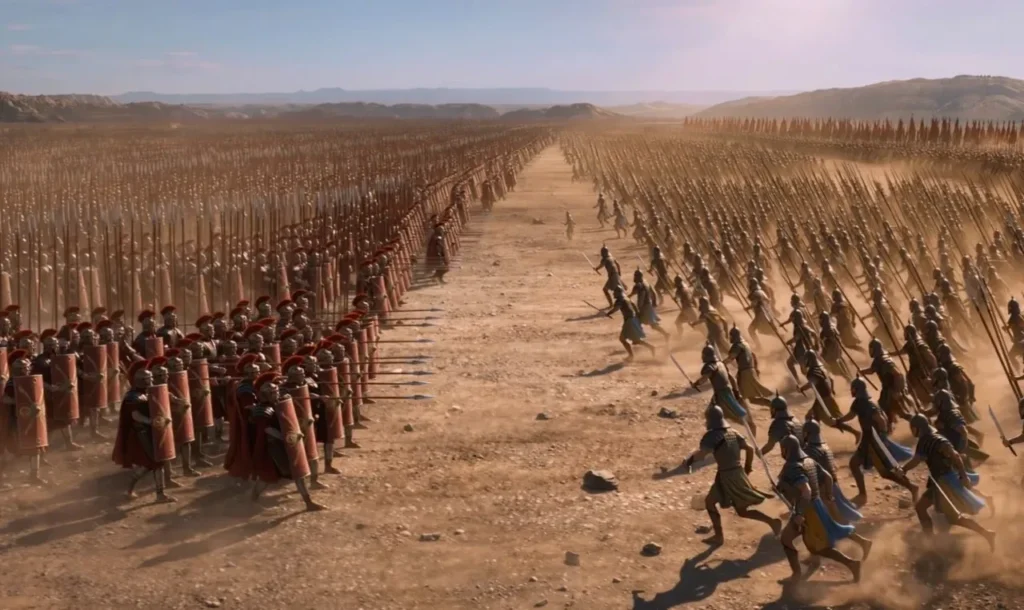
Beyond the cinematic project, the municipality is also investing in visitor infrastructure — new walking paths, information panels, and a redesigned entrance complex that will serve as a museum-quality visitor center, developed in cooperation with the Northern Anatolia Development Agency (KUZKA).
“Our ultimate aim,” Arslan emphasized, “is not just to uncover the past but to preserve it. By combining archaeology and technology, we’re ensuring Pompeiopolis becomes part of the world’s living heritage once again.”
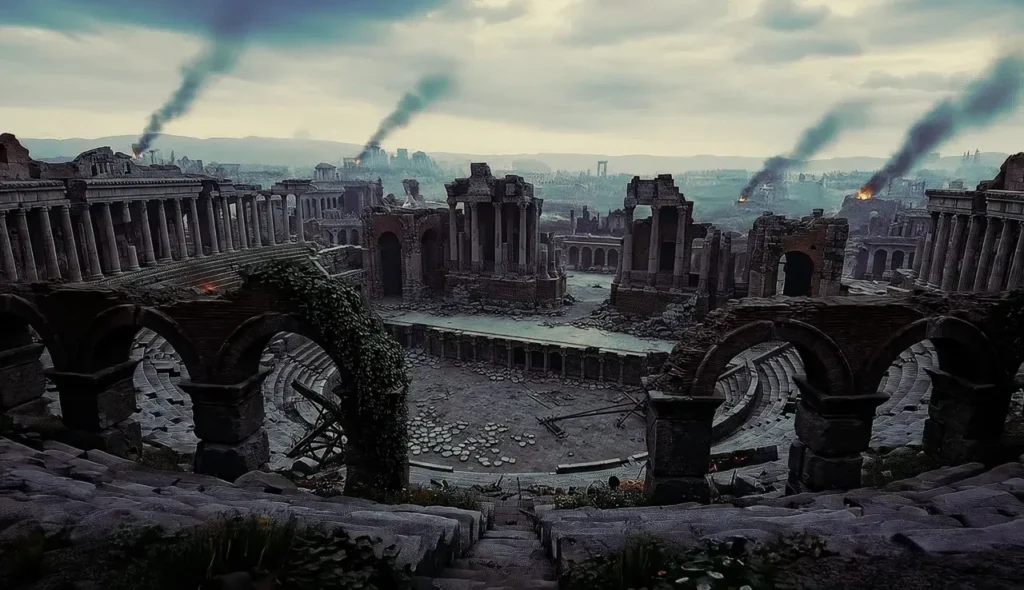
With its layered Roman, Byzantine, and early Christian remains, Pompeiopolis stands as a bridge between the ancient and the modern — and now, thanks to AI, it’s a bridge that can be crossed once more.