
A rare Amharic manuscript written in the ancient Ge’ez script has been returned to Ethiopia after being intercepted by authorities in Turkey, in a case that underscores ongoing efforts to combat the illicit trafficking of cultural heritage.
Amharic, Ethiopia’s official language, is traditionally written using the Ge’ez script—a classical writing system that has been in continuous use for more than a millennium. This linguistic and cultural connection places the manuscript within one of the world’s longest surviving written traditions.
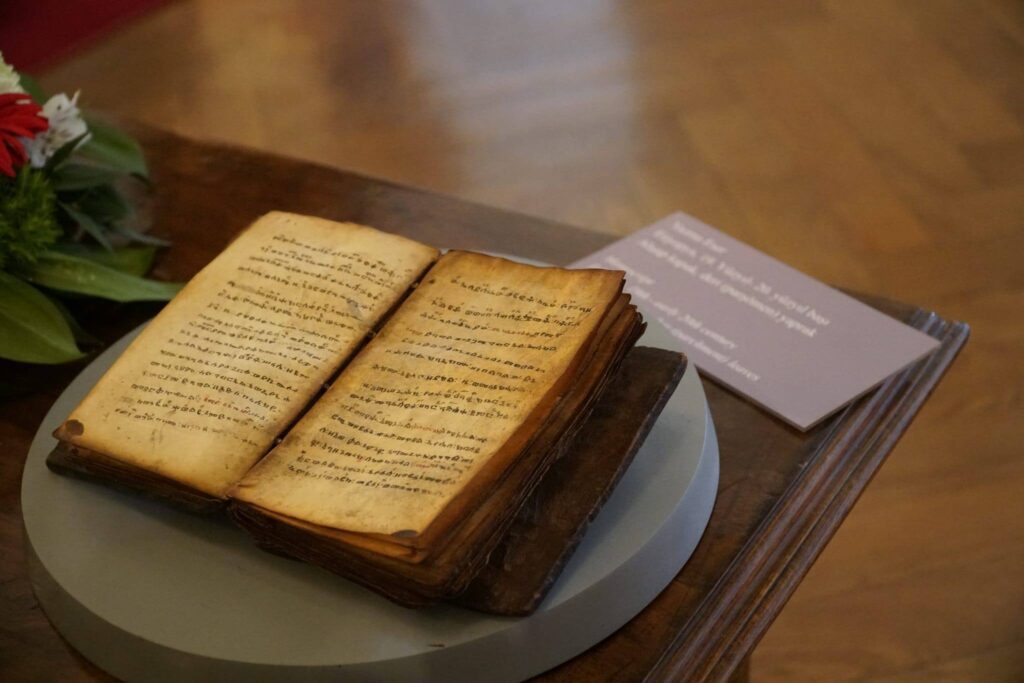
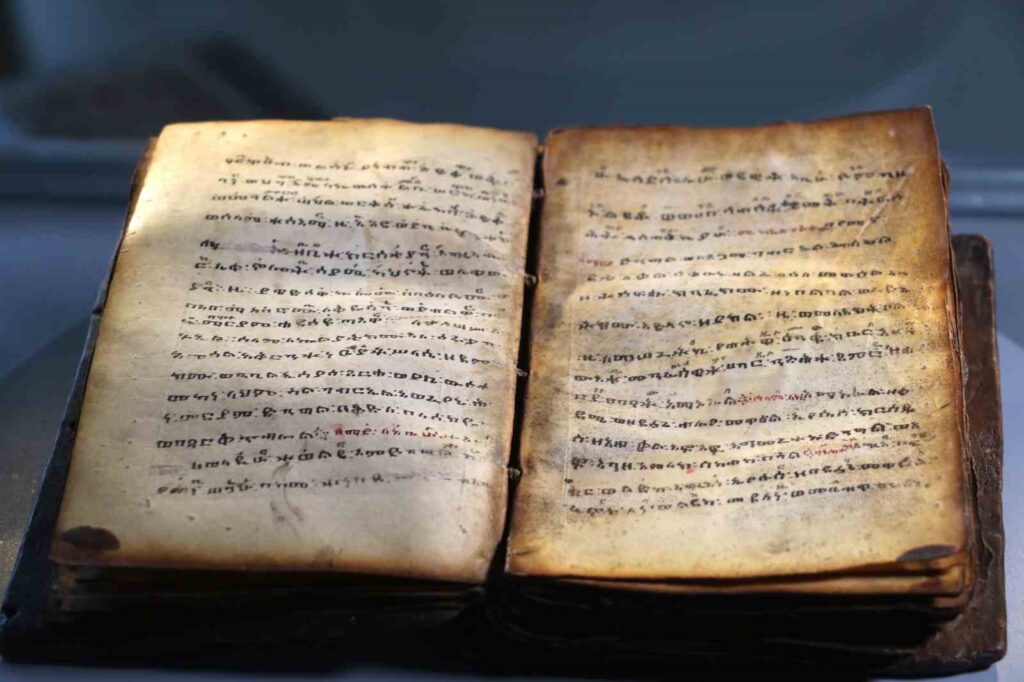
The manuscript was seized during a security operation in Bandırma, in western Turkey, where officials identified it as a protected cultural object. Detailed examination revealed that the artifact is a handwritten codex consisting of 68 leather folios bound within wooden covers, a format closely associated with Ethiopia’s long-standing manuscript tradition.
Carefully inscribed in both black and red ink, the text reflects a scribal practice that endured in Ethiopia until the early 20th century. While black ink was typically used for the main body of the text, red ink often marked headings, sacred names, or important passages—an established visual system in Ethiopian manuscript culture.
A Living Manuscript Tradition
Manuscripts written in the Ge’ez script occupy a central place in Ethiopia’s intellectual and religious history. Traditionally produced in monastic settings, such works often include liturgical writings, theological interpretations, or historical records tied to royal and ecclesiastical life.
The physical characteristics of the recovered book—parchment pages made from treated animal skin, wooden boards, and hand-applied pigments—suggest it was created within this enduring tradition. These manuscripts were not only vehicles of knowledge but also objects of devotion, crafted with the expectation that they would survive for generations.
Although the exact contents of the manuscript have not been publicly disclosed, its structure and materials indicate that it belongs to this deeply rooted cultural continuum.
From Seizure to Repatriation
Following its identification, authorities initiated the legal process required for the return of the manuscript to its country of origin. The repatriation was carried out in line with international conventions governing the protection of cultural property and the prevention of illicit trade.
A Turkish official emphasized the importance of safeguarding such artifacts, stating:
“This work is not only valuable as a complete object; even a single page is considered a cultural asset that must be protected under both international law and our national legislation.”
The statement highlights a key principle in cultural heritage protection: the indivisibility of such works, where even fragmented pieces retain historical and legal significance.
The Broader Context of Cultural Heritage Protection
The return of the manuscript reflects a wider global shift toward the restitution of cultural objects to their places of origin. Ethiopia, in particular, has intensified efforts in recent years to recover manuscripts and religious artifacts that were removed through illicit channels or historical displacement.
Cases like this illustrate the complex routes through which cultural objects travel—often moving across borders without documentation—before being identified and returned. They also demonstrate the increasing cooperation between countries in addressing cultural property crimes.
A Manuscript Reconnected with Its Origins
Though modest in scale, the manuscript represents a significant fragment of Ethiopia’s written heritage. Its journey—from production in a traditional scribal environment to seizure abroad and eventual return—offers a glimpse into both the resilience and vulnerability of cultural artifacts.