
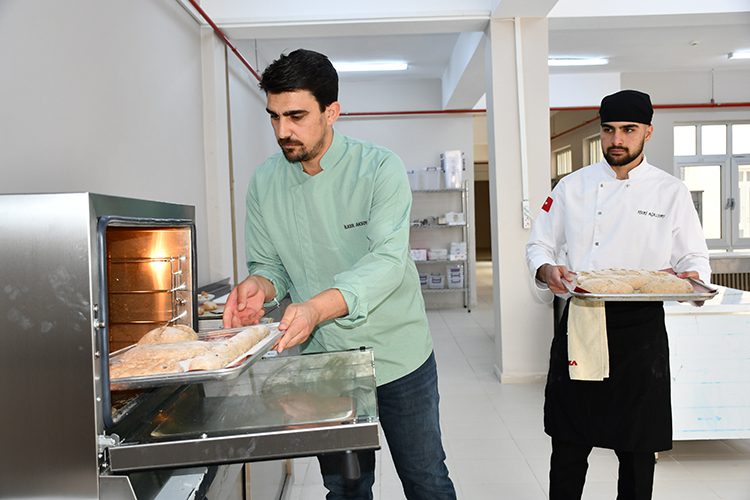
In the ancient landscape of Hasankeyf, researchers in southeastern Turkey have recreated one of humanity’s earliest documented bread recipes: a 3,000-year-old Mesopotamian honey-barley loaf. The project, carried out by faculty at Batman University’s Hasankeyf Vocational School, transformed lines of cuneiform text into a warm, aromatic bread once baked across the Bronze and Iron Age Near East.
Reconstructing a Forgotten Recipe from Cuneiform Records
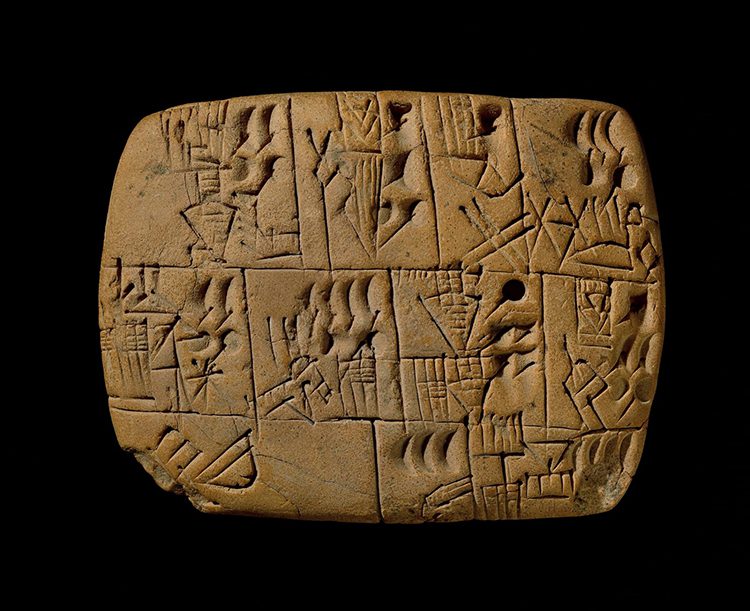
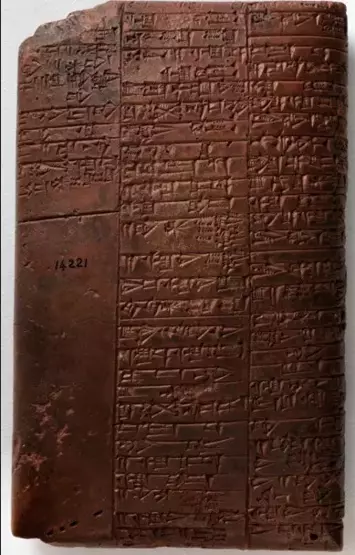
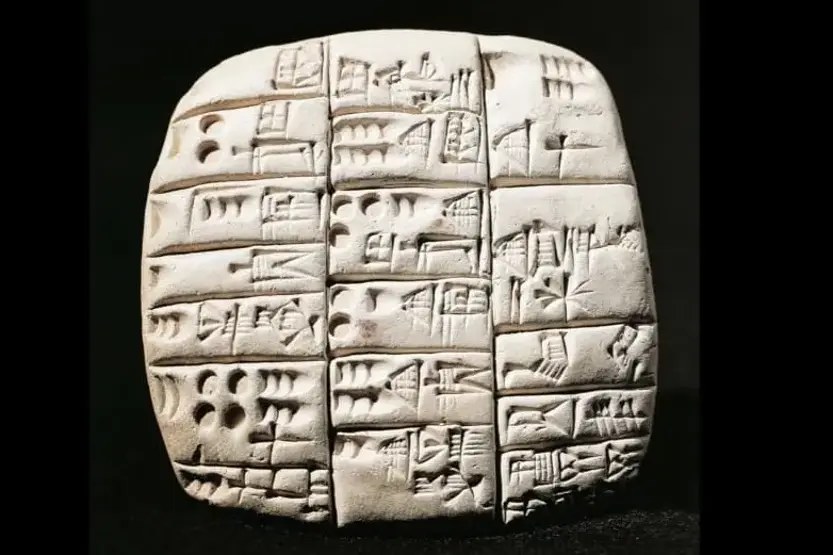
A multidisciplinary team led by lecturer İlker Aksoy—together with Hüseyin Gül, Erşad Tan, Seren Kavas, and Esra Yıldırım—traced the recipe through multiple ancient sources. The bread appears extensively in 3rd Dynasty of Ur ration tablets, which detail food allocations for workers, as well as in bakery inventories from Old Babylonian baker records.
Some tablets list barley loaves distributed during large ceremonies, while others mention honey-sweetened versions reserved for temple offerings. Comparable bread forms appear later in Ancient Rome and Classical Greece, suggesting a long culinary tradition centered around barley, the most common grain of early urban societies.
The team experimented with ingredients referenced in these tablets and tested preparation methods indicated by scribal notations and ethnographic parallels. The final formula combines barley flour, warm water, sea salt, and natural honey, shaped by hand and baked on a heated stone surface—echoing procedures mentioned in administrative documents from the Hammurabi period.
Bringing an Ancient Staple Back to Life
For Aksoy and his colleagues, the experiment was more than a technical exercise; it was a direct sensory connection to ancient daily life.
“Tasting a bread described in texts written thousands of years ago gives us an extraordinary window into the lives of people who lived on this land long before us,” Aksoy said. “It is archaeology you can smell and touch.”
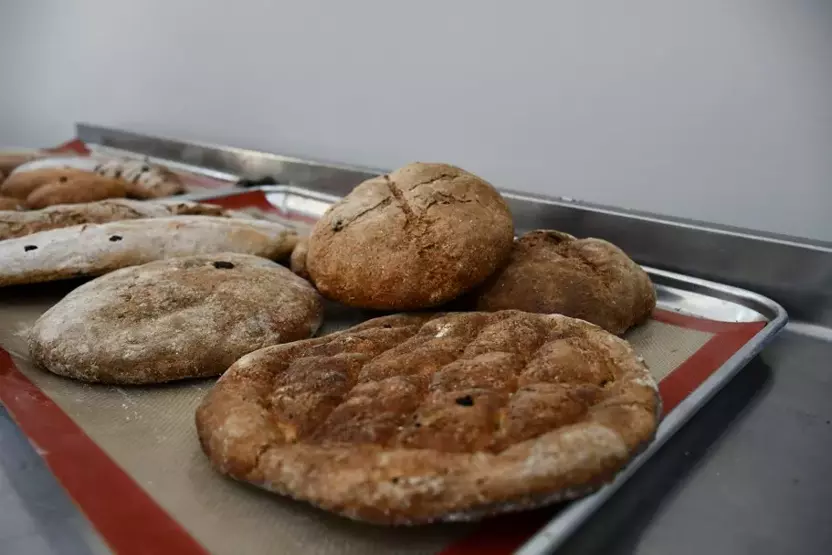
The resulting bread, dense and subtly sweet, reflects the nutritional profile of early Mesopotamian diets—designed to sustain laborers, travelers, and temple staff for long hours of work.
A New Tool for Heritage and Gastronomy Tourism
Batman University Rector Prof. Dr. İdris Demir stated that the bread will be introduced at festivals and cultural programs, presenting it as a tangible expression of the region’s deep historical roots.
“Bringing back a food that was once produced here thousands of years ago enriches our cultural identity and offers visitors a unique way to experience history,” he noted.
An Example of Experimental Archaeology Emerging in Turkey
The Hasankeyf project marks a rare but growing interest in food-based experimental archaeology in Turkey, a country home to some of the world’s earliest farming communities. By reviving ancient culinary practices, researchers aim to help modern audiences understand daily life in Mesopotamia through an approach that is both scientific and sensory.