What did a comfortable bed look like nearly 2,000 years ago in northern Europe? An unusual discovery inside ancient graves in Poland may offer part of the answer.
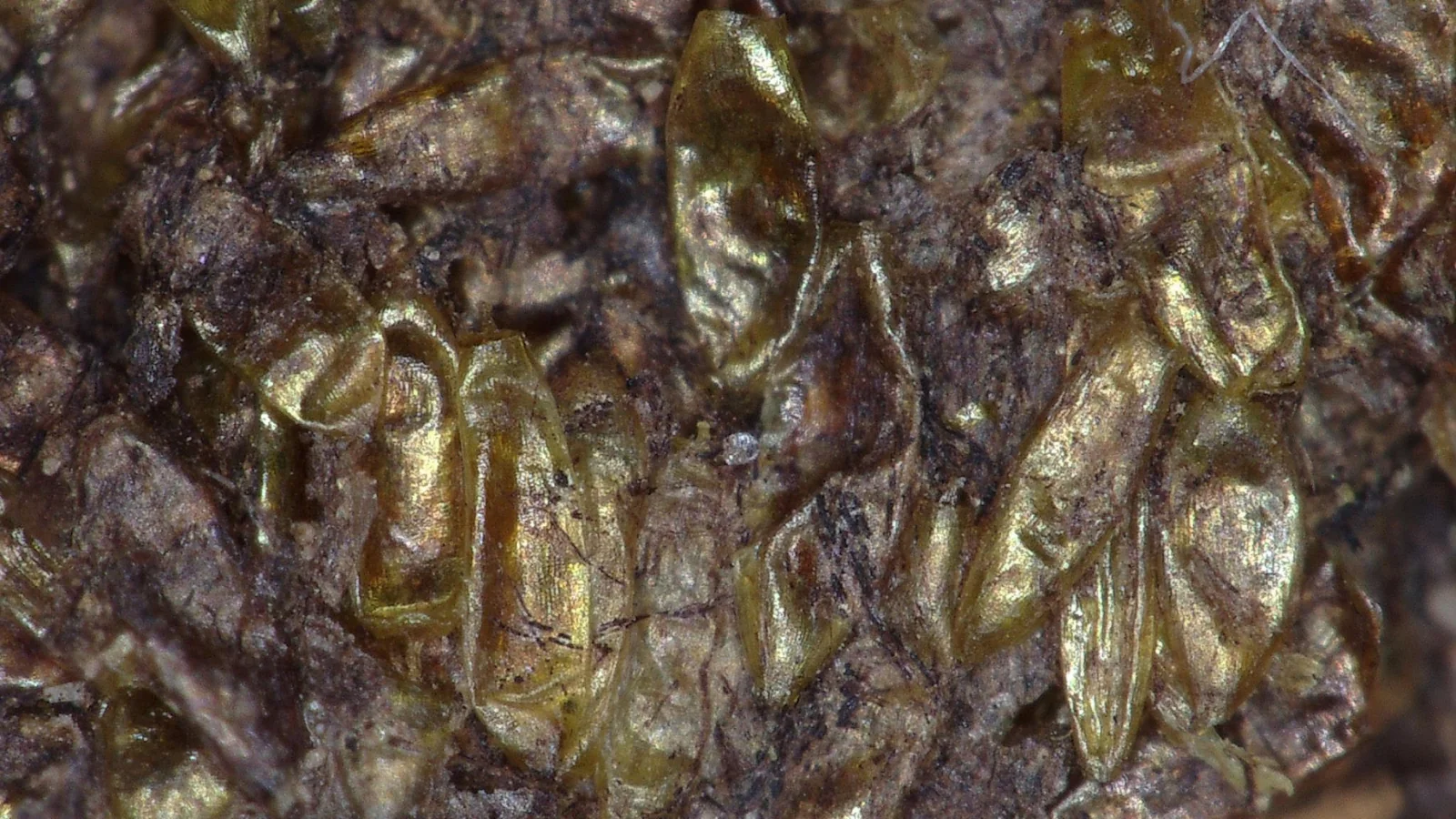
Archaeologists studying organic remains from the vast cemetery at Czarnówko in northern Poland have identified traces of cattail plants and finely woven wool that may once have formed pillows, mattresses or soft linings beneath the dead. The materials survive only in fragments, but their position inside the graves has allowed researchers to reconstruct something rarely visible in archaeology: soft furnishings that normally disappear long before pottery, jewelry and metal objects.
The findings, published in the journal Antiquity, suggest that some people buried at Czarnówko were placed on or beside carefully prepared organic materials. Whether these reflected bedding used in daily life remains uncertain, but the discovery provides a rare glimpse of how softness and comfort could have been created nearly two millennia ago.
The position of the remains provides an important clue
Finding cattail seeds alone would not be enough to identify an ancient pillow or mattress. Their location inside the graves makes that interpretation more compelling.
In some burials, concentrations of organic material appeared around the head of the deceased, where a pillow might once have been positioned. In others, the remains extended across larger areas of the grave floor, raising the possibility of a mattress or another type of lining.
Researchers examined 23 samples, 13 of which contained remains of cattail, or Typha. They also identified pieces of densely woven, high-quality woollen fabric associated with the plant remains.
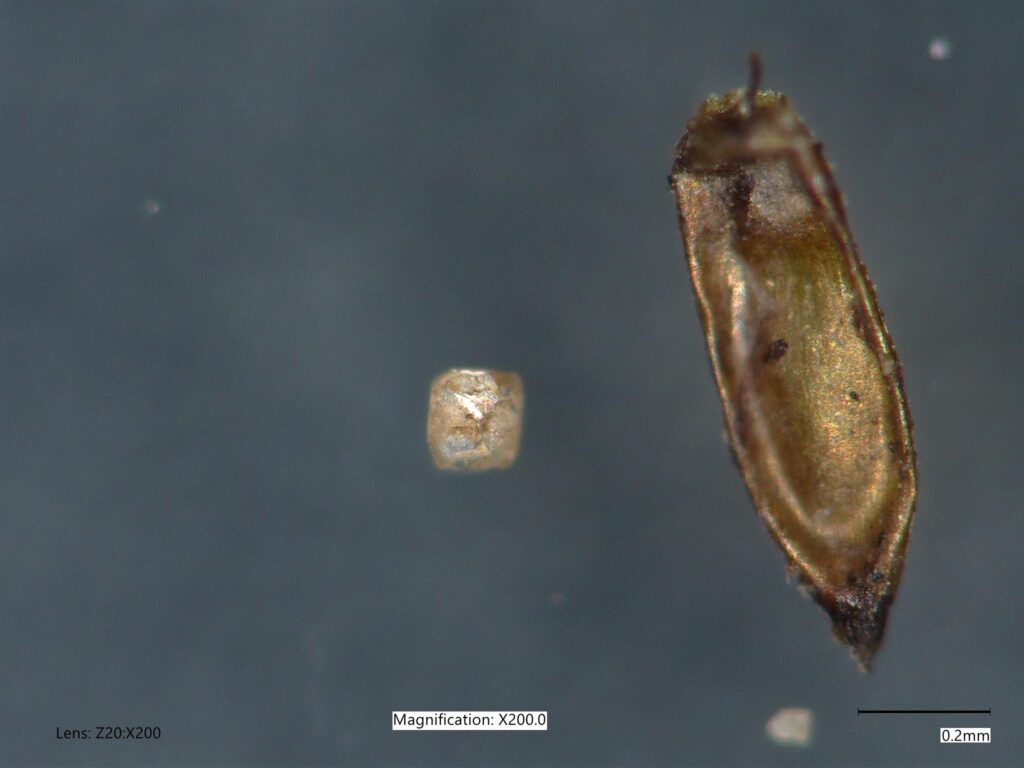
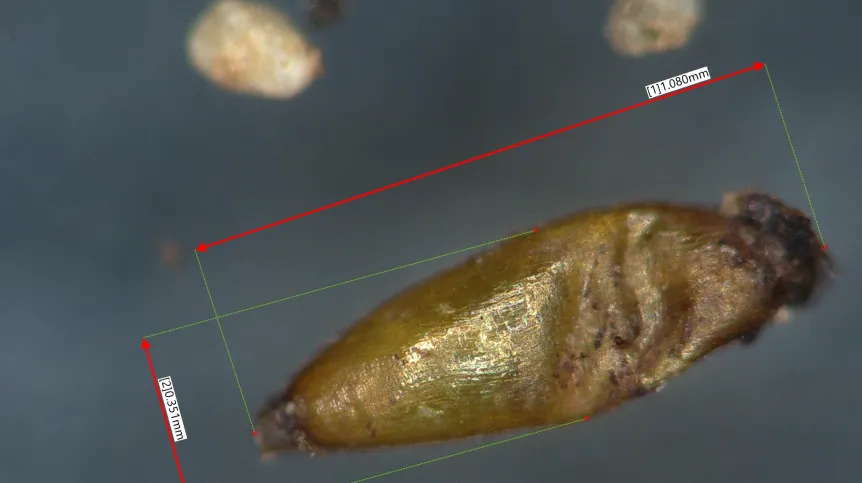
The fluffy fibres that originally surrounded the seeds have almost entirely disappeared. Those hairs are extremely fragile and break down easily, leaving the tougher seeds behind. Yet it was probably that missing fluff, rather than the seeds themselves, that made the plant useful.
Cattail fluff is light, soft and capable of trapping air, qualities that make it suitable as a natural stuffing and insulating material.
One grave preserves an especially intriguing trace. A compact mass once described as a “moss pillow” carries a rounded impression matching the foot of a silver vessel recovered from the same burial. The association shows that soft organic material had once been substantial enough to support objects placed inside the grave.
Together, the plant remains, textiles and their positions make pillows or mattresses one of the plausible explanations, although researchers also leave open the possibility that some material served as coffin or grave lining.
A soft material almost vanished from archaeology
Czarnówko lies near the southern Baltic coast and contains more than 2,000 graves. The cemetery was used from around the middle of the second century BC until the first half of the third century AD, spanning several centuries of changing burial traditions.
It is associated with the Wielbark culture, which occupied parts of what is now northern and central Poland during the Roman period. The term refers to chronology and cultural contacts rather than Roman political control; these communities lived beyond the formal borders of the Roman Empire.
That distinction matters because written descriptions of everyday life in the region are limited. Archaeology therefore carries much of the burden of reconstructing how people lived, dressed, ate and slept.
Soft materials are among the hardest things to recover. Wood, plant fibres, textiles and stuffing usually decay, meaning archaeologists are left with the more durable objects that once surrounded them.
At Czarnówko, the survival of tiny plant remains and fragments of wool offers a rare exception.
Bedding may connect burial practice with everyday life
Other archaeological discoveries show that people in ancient and early medieval Europe used a wide range of materials to create soft sleeping surfaces. Feathers, wool, animal hair, moss and aquatic plants have all been identified in different contexts.
At the famous Iron Age burial at Hochdorf in Germany, for example, a mattress contained badger hair along with material from numerous plant species. Cattail has also been identified in later burials elsewhere in Central and Northern Europe, sometimes concentrated near the head or beneath the body.
The Czarnówko evidence adds an earlier example from communities living beyond the Roman frontier.
What remains unclear is whether the materials were chosen specifically for funerary purposes or simply reflected familiar domestic practices. Researchers cannot yet show that people at Czarnówko slept on cattail-filled bedding in their homes.
Still, the properties of the plant make that possibility reasonable. Cattail fluff had the qualities needed for soft, insulating bedding, and the grave finds suggest that similar materials may have accompanied the dead into their burials.
A glimpse of how people once slept
Researchers cannot yet determine how common cattail-filled bedding was among the Wielbark population. Only a handful of examples survived at Czarnówko, and their preservation appears to have depended partly on contact with metal objects, whose corrosion products helped protect nearby organic matter.
Nor can archaeologists establish whether cattail carried any symbolic meaning in funerary rituals. Wetland plants could potentially have had significance beyond their practical value, but the current evidence does not demonstrate that.
What the graves do preserve is something archaeology rarely captures: the remains of softness itself.
Instead of another weapon, brooch or vessel, the Czarnówko burials may preserve traces of materials once chosen to cushion, insulate or support a body. Nearly 2,000 years later, those fragments offer an unusually intimate view of how people in northern Europe may have understood comfort.
Cover Image: Cattail (Typha sp.) seeds preserved in organic material from the Czarnówko cemetery in northern Poland. Photo: A. Mueller-Bieniek