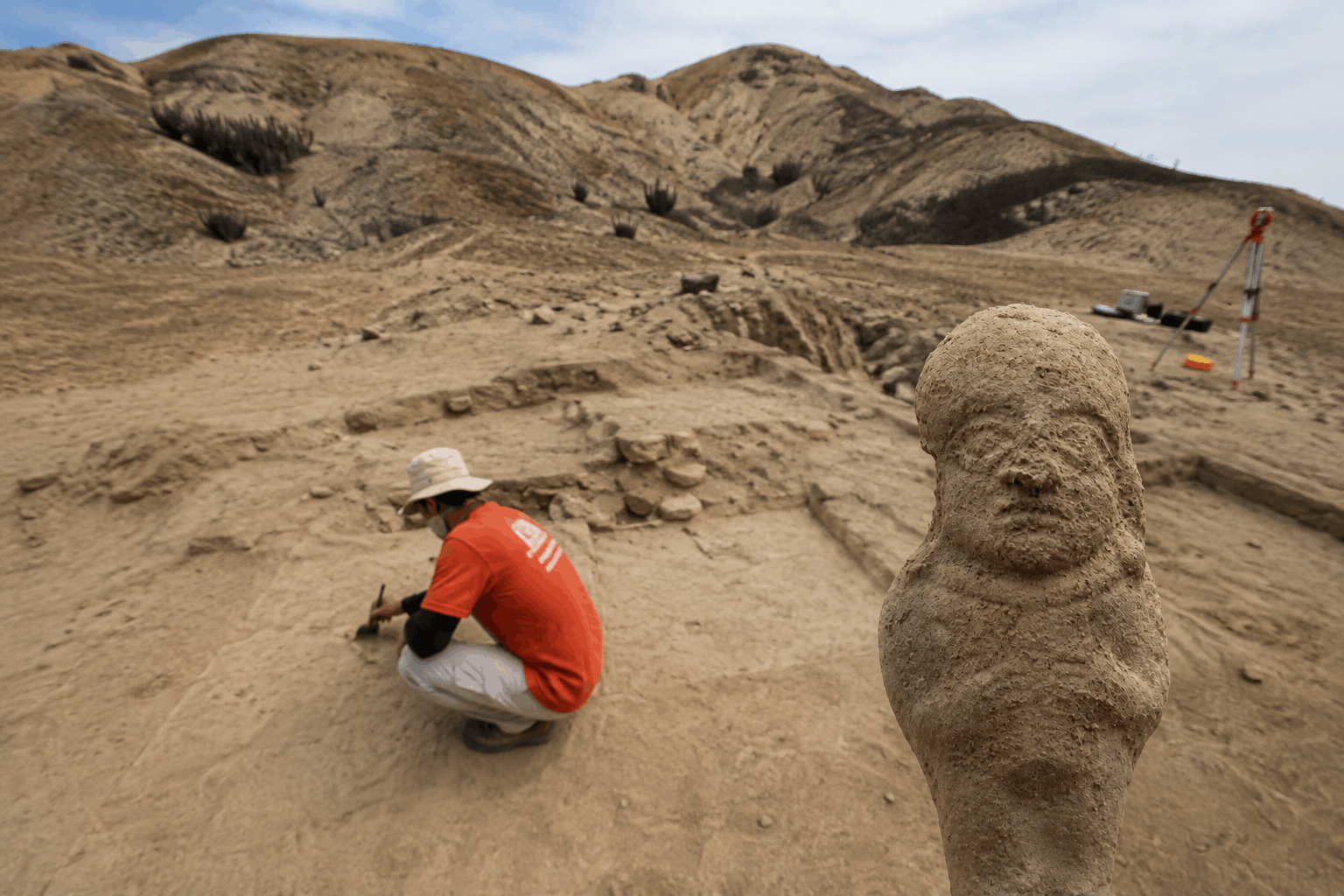
Archaeologists excavating Cerro Mayal on Peru’s northern coast have uncovered new evidence of 1,400-year-old Moche pottery workshops, revealing how one of the ancient Andes’ most distinctive ceramic traditions was produced.
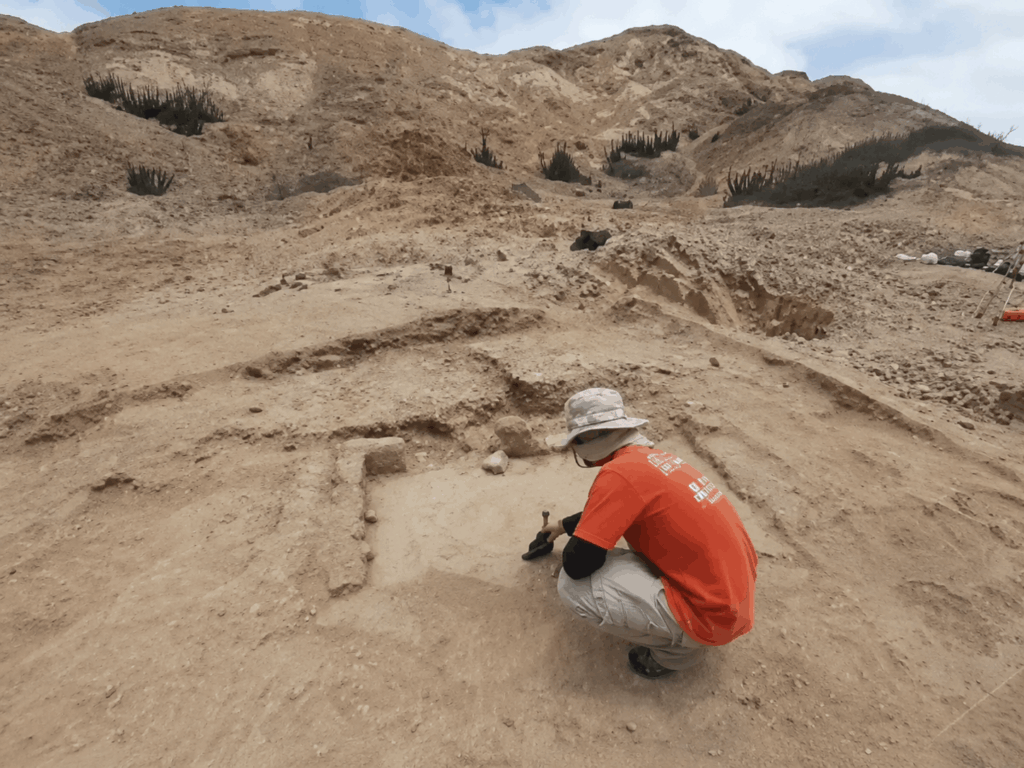
The excavations, in the Chicama Valley of the La Libertad region, have exposed ceramic molds, potters’ plates, large quantities of production waste and architectural remains linked to pottery making. The evidence confirms Cerro Mayal as an important ceramic production center during the Late Moche period, around the seventh century AD.
More unusually, the workshops appear to have doubled as living spaces. Archaeologists say people lived in the same compounds where they produced ceramics, offering a rare glimpse into the daily lives of Moche craftspeople.
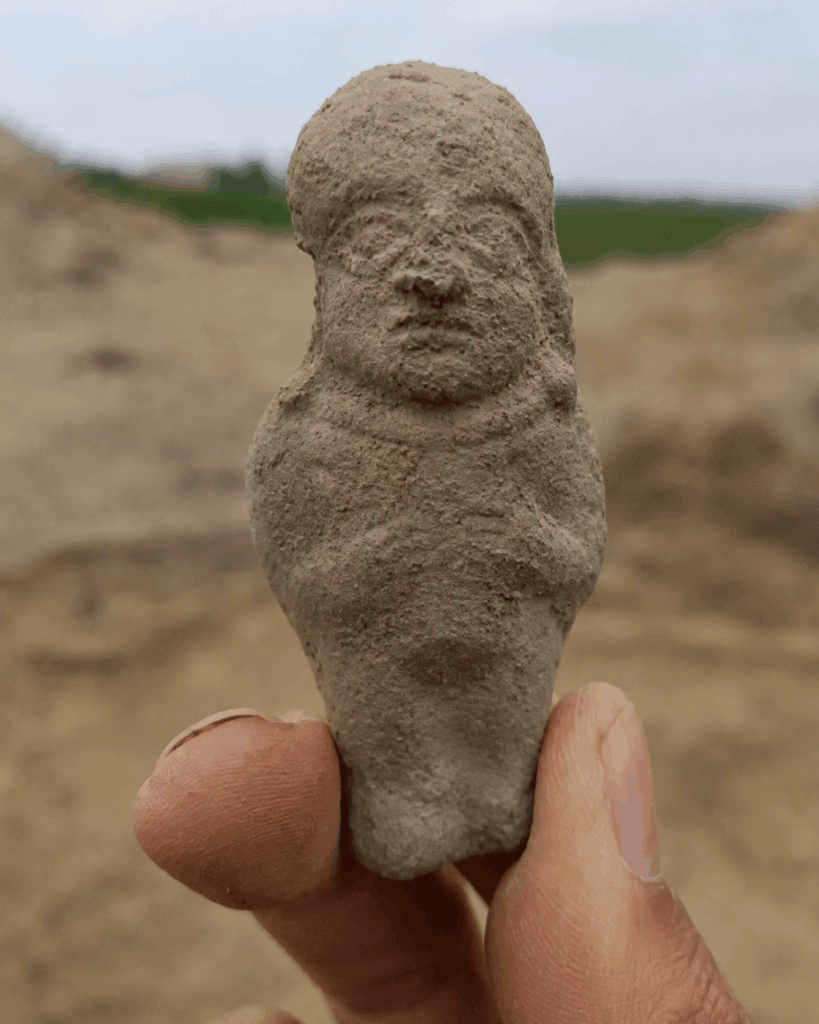
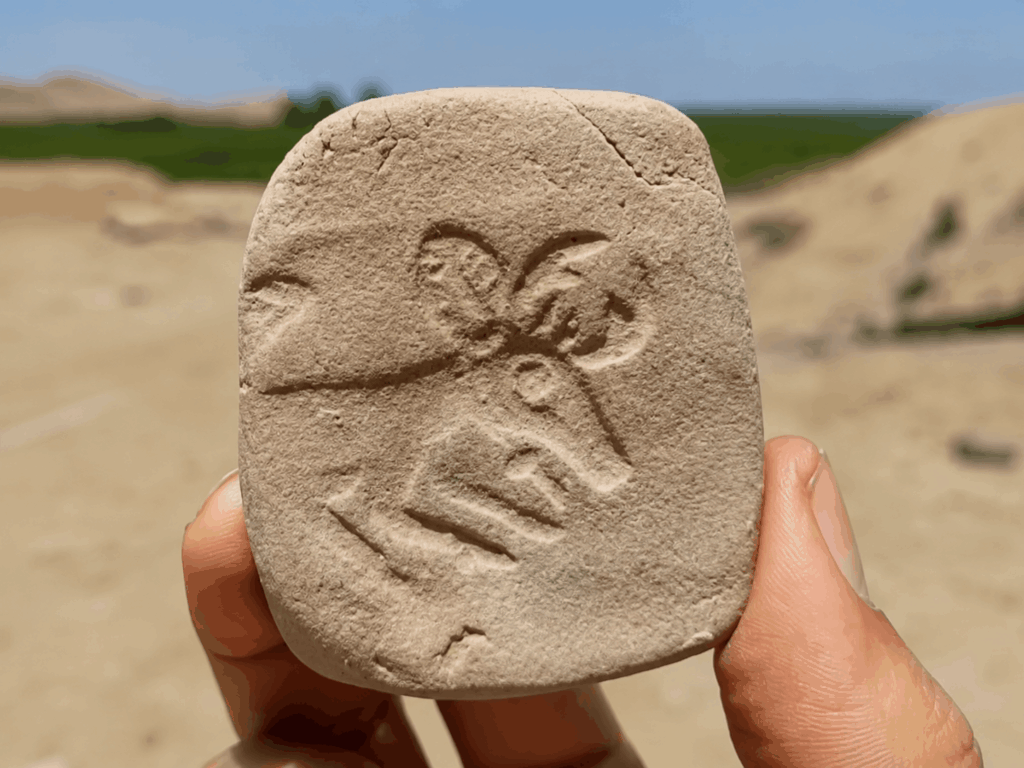
Among the most common finds are ceramic molds, particularly those used to produce figurines, together with large quantities of pottery waste. According to archaeologist Henry Tantaleán, co-director of PRACH, the concentration of discarded material begins in the upper archaeological layers.
The evidence reinforces earlier interpretations of Cerro Mayal as an important center of ceramic production during the Late Moche period, around the seventh century AD.
Excavations have also exposed adobe and stone walls and areas associated with preparing and shaping clay vessels. Together with molds, tools and manufacturing debris, these remains provide a rare look at the stages of pottery production rather than only the finished objects for which the Moche are famous.
Life inside a Moche pottery workshop
One of the more significant findings concerns how the people working at Cerro Mayal used the site.
The latest excavations indicate that ceramic production did not take place in separate industrial quarters. People appear to have lived in the same compounds where pottery was made.
“We have been able to determine that people lived where they worked,” Tantaleán said, describing the structures as workshop-houses.
This evidence offers a different perspective on Moche ceramic production. Portrait vessels, figurines and richly decorated pottery are among the most recognizable objects associated with ancient Peru, yet far less is known about the working environments in which such objects were produced.
At Cerro Mayal, archaeologists are instead examining discarded molds, damaged vessels, work areas and domestic architecture. These less spectacular remains may reveal how specialized craft production fitted into everyday life.
The settlement belongs to the later phases of Moche culture, which flourished along Peru’s northern coast during the first millennium AD. Cerro Mayal had already attracted archaeological attention during excavations in the late 1980s and 1990s, when researchers identified evidence of intensive ceramic manufacture.
The renewed investigations are allowing archaeologists to revisit those conclusions with a larger excavation area and modern analytical techniques.
Another major question concerns the scale of production.
The amount of manufacturing debris found at Cerro Mayal suggests that its workshops may have produced more pottery than was required by the settlement itself. Researchers are therefore examining whether ceramics made there were distributed to other Moche communities in the region.
One site of particular interest is Licapa II, another Late Moche settlement in the Chicama Valley that PRACH has investigated for several years.
Archaeologists have been trying to determine where the pottery found at Licapa II was produced, and Cerro Mayal has long been considered one of the leading candidates.
Establishing such a connection could help researchers reconstruct the movement of ceramics between settlements in the Chicama Valley and potentially across a wider network linking the Moche and Jequetepeque valleys.
Scientific dating may provide another piece of that picture.
New radiocarbon samples from Cerro Mayal have been submitted for laboratory analysis in the United States. More precise dates could help establish when individual workshops operated and whether pottery production changed over time.
The 2026 excavation is expected to cover around 100 square meters, making it the most extensive investigation yet undertaken at Cerro Mayal.
The work also has a conservation dimension. The archaeological site has remained vulnerable to looting and encroachment, increasing the importance of documenting surviving structures and deposits while they remain intact.
For archaeologists, the significance of Cerro Mayal lies not only in the ceramics themselves. The combination of production waste, tools, architecture and living spaces offers an opportunity to study the people behind Moche pottery—how they organized their work, where they lived and how the objects they produced may have circulated across northern Peru.
Cover Image: Archaeological excavations at Cerro Mayal in northern Peru, where researchers are investigating Late Moche pottery workshops and domestic production spaces. A ceramic figurine recovered at the site is shown in the foreground. Credit: Andina / Composite by Ancientist.