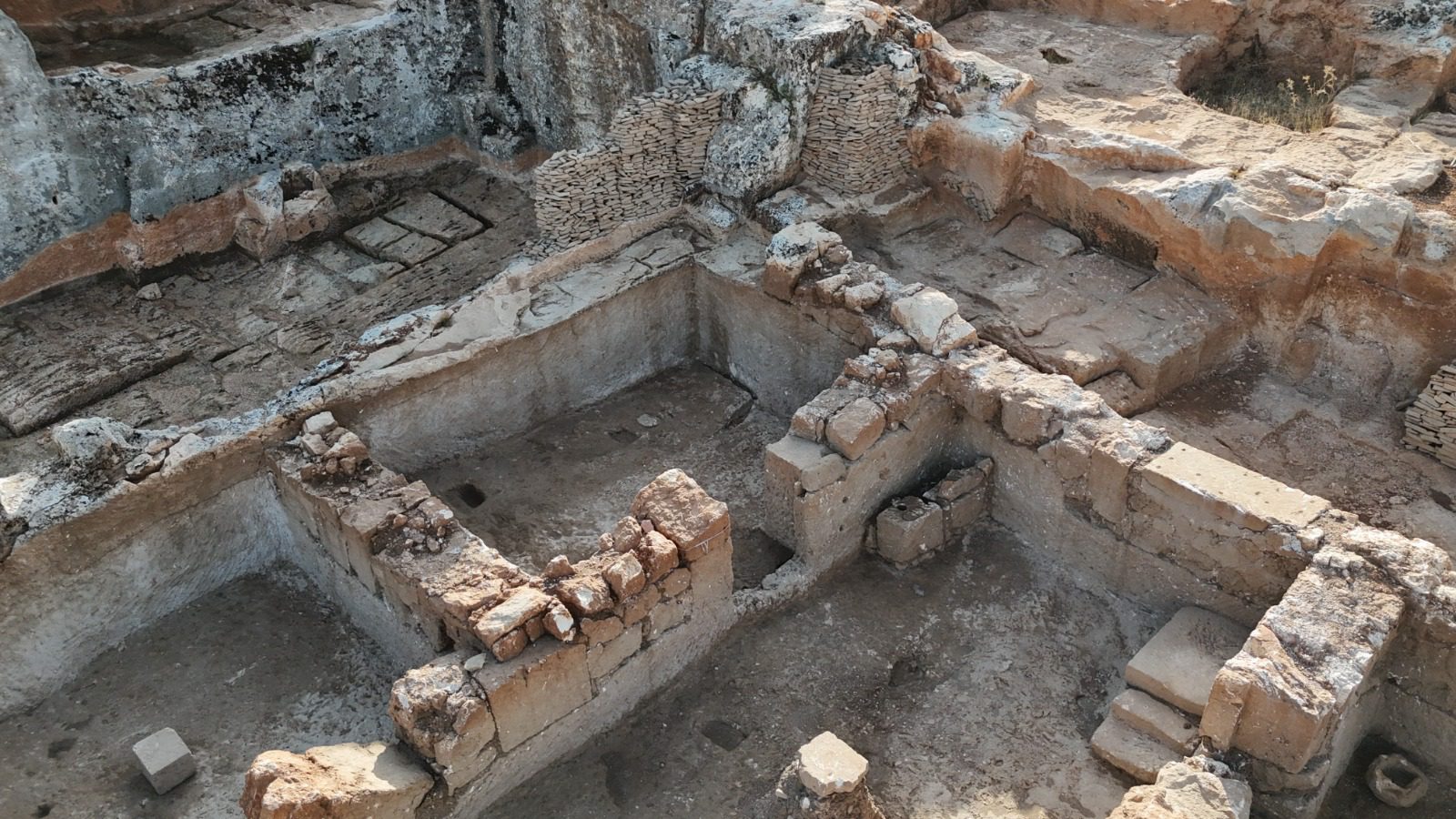
The archaeological landscape of Perre—one of the five major cities of the ancient Kingdom of Commagene—has taken a decisive new turn with the discovery of a remarkably preserved 1,500-year-old domestic complex. The find, uncovered during the 2025 season, adds a rare glimpse into daily life in a city that once sat at the crossroads of trade and military routes in southeastern Anatolia.
A rare look at late Roman life
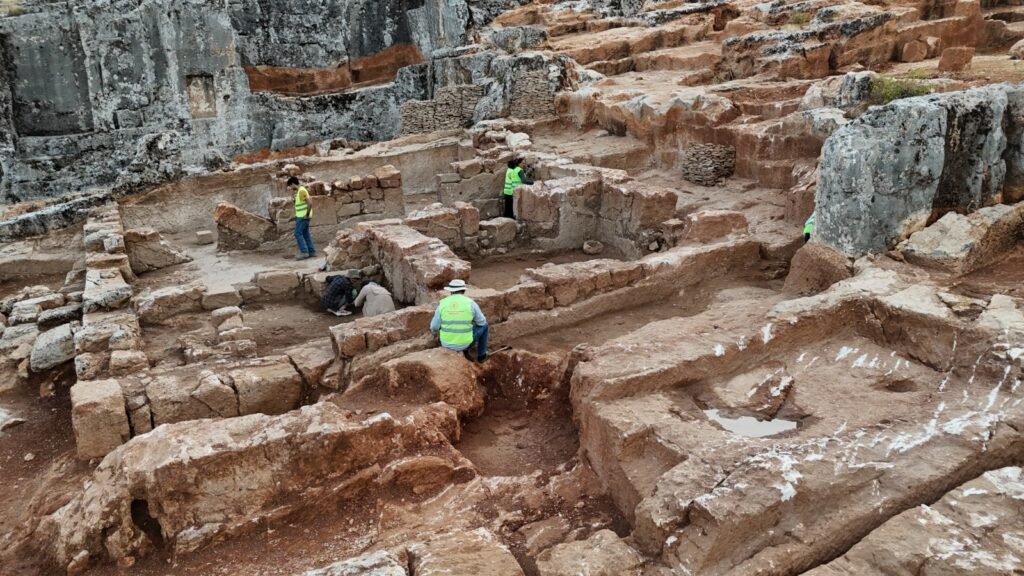
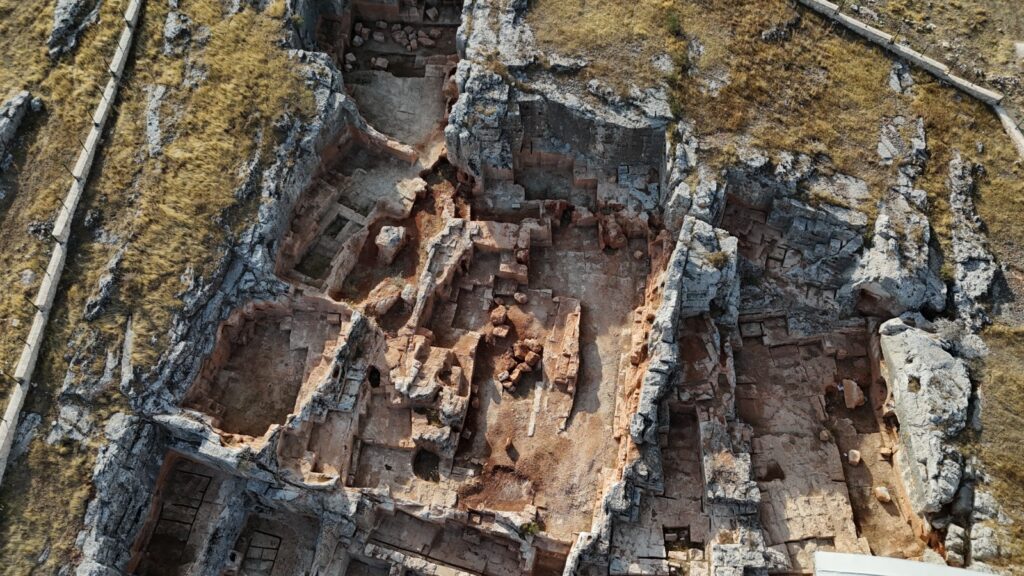
Excavations led by the Adıyaman Museum Directorate revealed a 154-square-meter residential unit, complete with a well-preserved tandır hearth and two adjoining rooms. Archaeologists interpret the structure as an active household, used during the late Roman period.
“This section was built in the Roman era, right beside the basilica famous for the ‘Cennet Mosaic’,” said Mehmet Yelken, Director of Adıyaman Provincial Culture and Tourism. “Our team uncovered architectural elements around the basilica and a series of artifacts reflecting daily routines—coins, bronze objects, and household items.”
The presence of a tandır is especially telling. It signals not only food preparation but also continuity—families living, cooking, storing goods, and moving through spaces that have survived a millennium and a half beneath the soil.
Perre’s strategic geography continues to deliver
Perre’s location between major ancient routes helped shape its identity as a transit hub and resting point. That same geography continues to pay archaeological dividends.
“Because the city once connected key commercial and military corridors, we expect to encounter an even broader variety of material culture in the seasons ahead,” Yelken added.
Previous excavations since 2001 revealed Roman fountains, stone architecture, water channels, and multiple structural phases across the ancient settlement. The newly discovered living quarters now expand that picture, offering the closest view yet of Roman domestic life in Commagene’s heartland.
Cover Photo: Close-up view of the newly uncovered 1,500-year-old Roman domestic rooms at Perre, showing preserved wall lines and interior features. Credit: Adıyaman Museum Directorate.