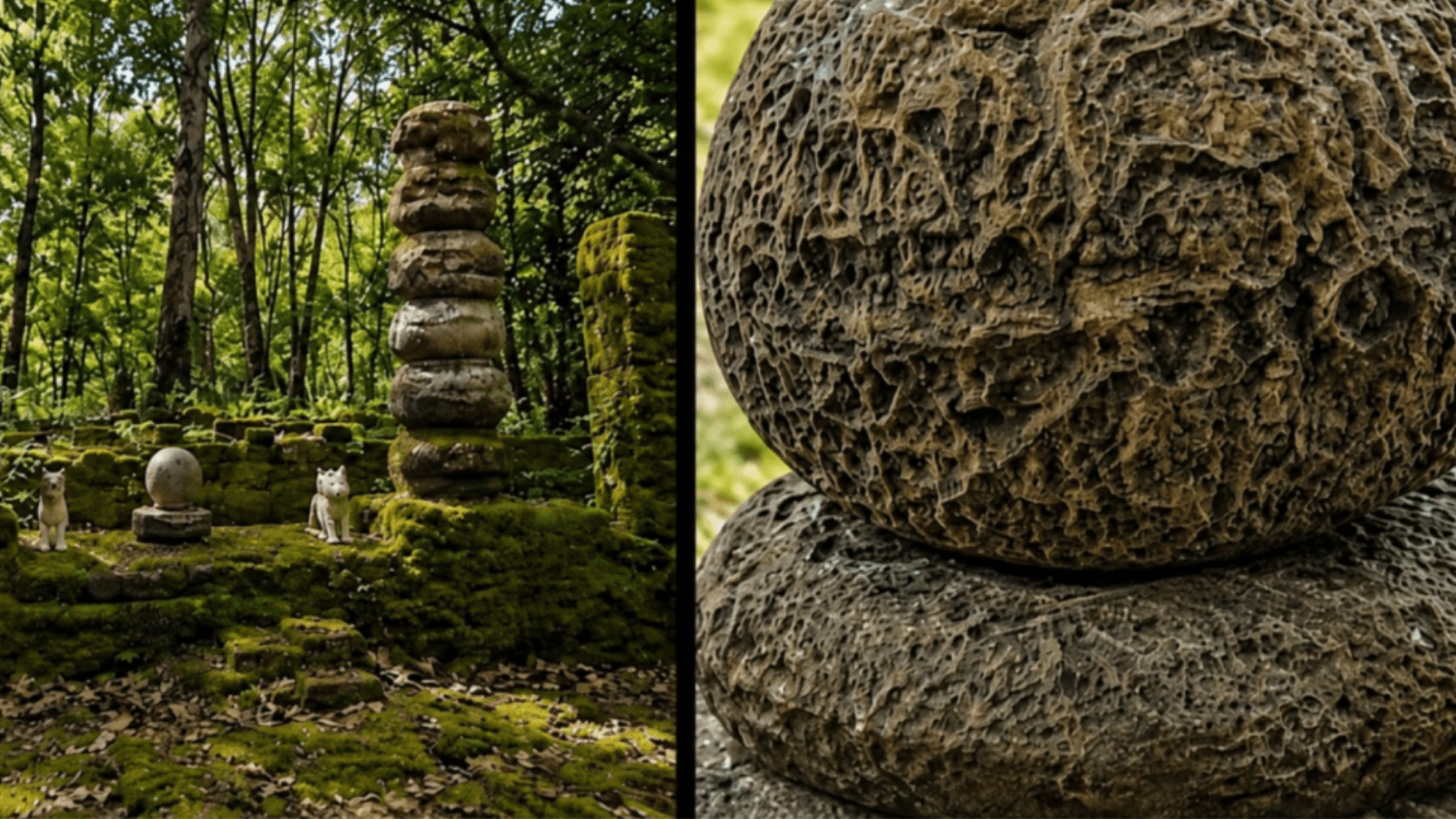
For generations, members of the Baiga community in central India regarded an unusual stone formation in the forest as sacred, preserving it as part of a local shrine.
Now researchers have discovered that the stone carries a history far older than any human tradition surrounding it.
Tests identified the formation in Madhya Pradesh’s Dindori district as a coral fossil approximately 65 million years old, according to officials from Madhya Pradesh’s Directorate of Archaeology, Archives and Museums.
The discovery began as part of ongoing efforts to document archaeological and geological heritage in Dindori, a heavily forested district that remains comparatively little studied. Researchers examining photographs of local sites noticed distinctive patterns in the stone and decided that a field inspection was necessary.
A team subsequently reached the shrine and examined the formation. According to The Times of India, several tests confirmed that the object was fossilized coral, although the report does not identify the specific analytical methods used to determine its nature and age.
The result transformed an already culturally important place into a site of geological interest.
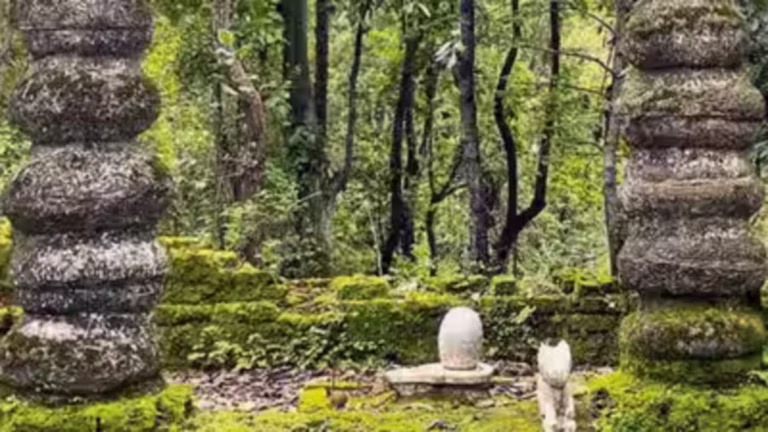
An ancient marine organism far from the sea
Corals are marine organisms, making their presence in fossil form within inland central India evidence of geological conditions radically different from the modern landscape.
At roughly 65 million years old, the fossil predates human settlement in the region by an almost unimaginable span of time. Its significance therefore lies not only in its unusual appearance but in the geological history preserved within the stone.
The find also sits within a much broader deep-time record. Other discoveries have revealed similarly unexpected biological evidence, including the earliest known signs of spinal disorders dating back 225 million years.
What makes the Dindori example unusual, however, is the context in which it survived.
Rather than being uncovered during an excavation or exposed in a quarry, the fossil was already visible above ground. Its survival appears to have been helped by the cultural importance attached to the location.
Madan Kumar Nagargoje, Madhya Pradesh’s archaeology commissioner, noted that generations of local people could not have known the scientific identity or age of the formation. They nevertheless recognized it as distinctive and preserved the place around it.
The Baiga, an Indigenous community with longstanding connections to the forests of central India, had incorporated the stone into a sacred landscape well before researchers identified it as fossilized coral.
The shrine cannot yet be dated to 10,000 years ago
The discovery has also prompted discussion about how far back such traditions of venerating unusual natural features might extend.
Archaeological Survey of India archaeologist Dr. Manoj Kumar Kurmi has suggested that some traditions centered on distinctive rocks, trees and other natural features in the region could have roots reaching 8,000 to 10,000 years into the past.
That estimate, however, should not be interpreted as a date for the Dindori shrine itself.
The report provides no direct archaeological dating showing that this particular coral fossil has been worshipped continuously for thousands of years. Kurmi’s comments instead concern the broader possibility that natural landmarks served as ritual locations among prehistoric communities before the development of later monumental religious architecture.
For archaeologists, establishing when people first began treating the Dindori stone as sacred would require separate evidence from the surrounding site.
The distinction matters. The fossil’s geological age can be measured in tens of millions of years, while the history of human activity around it belongs to a much more recent and currently less certain period.
Dindori may provide further clues. Stone Age rock shelters have already been documented at the Ghodamada caves in Dindori, while much of the district’s archaeological and geological record remains little explored.
The newly identified fossil therefore adds another layer to a landscape already preserving traces from vastly different periods of the past.
For now, the most unusual aspect of the discovery may be the way those histories intersect. A marine organism that lived around 65 million years ago eventually became part of a sacred forest landscape in central India. The Baiga community preserved the formation for generations, and only much later did researchers determine what the stone actually was.