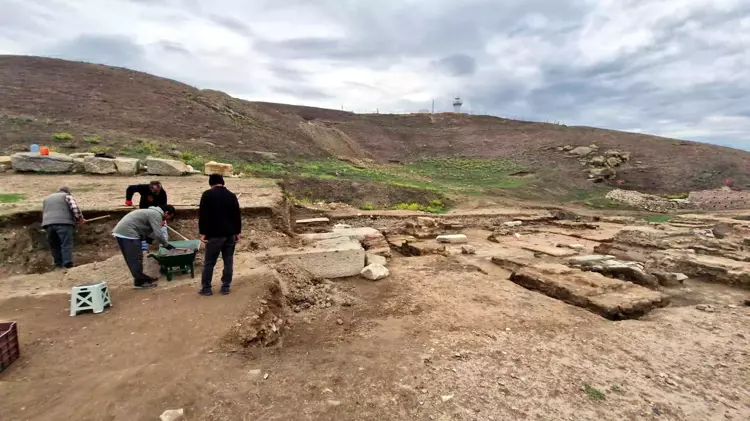
On the northern coast of the Sea of Marmara, archaeologists excavating the ancient city of Perinthos have uncovered a surprising concentration of pierced mussel shells, bone hairpins, and stone tools—evidence that a previously unknown shell-working area may once have operated at the site. The unexpected discovery comes from Mola Burnu, a coastal promontory that had never been explored archaeologically until last year.
A New Puzzle on the Marmara Coast
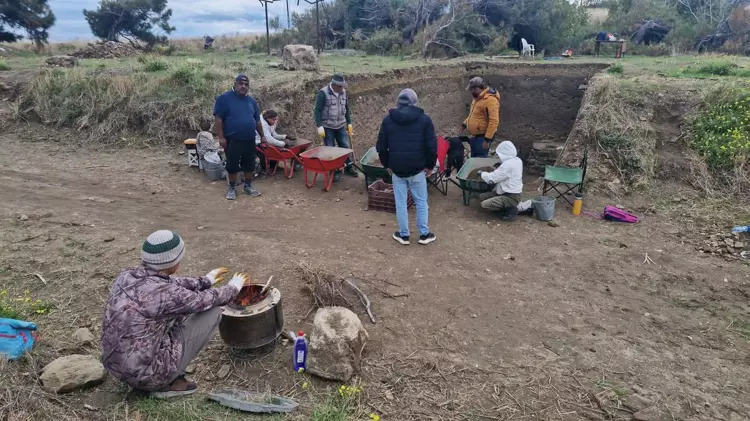
The 2025 excavation season shifted part of its focus to Mola Burnu, where researchers from Mimar Sinan Fine Arts University expanded a trial trench first opened in 2024. According to excavation director Prof. Dr. Zeynep Koçel Erdem, the team uncovered thousands of mussel shells—many of them drilled with small, perfectly rounded holes.
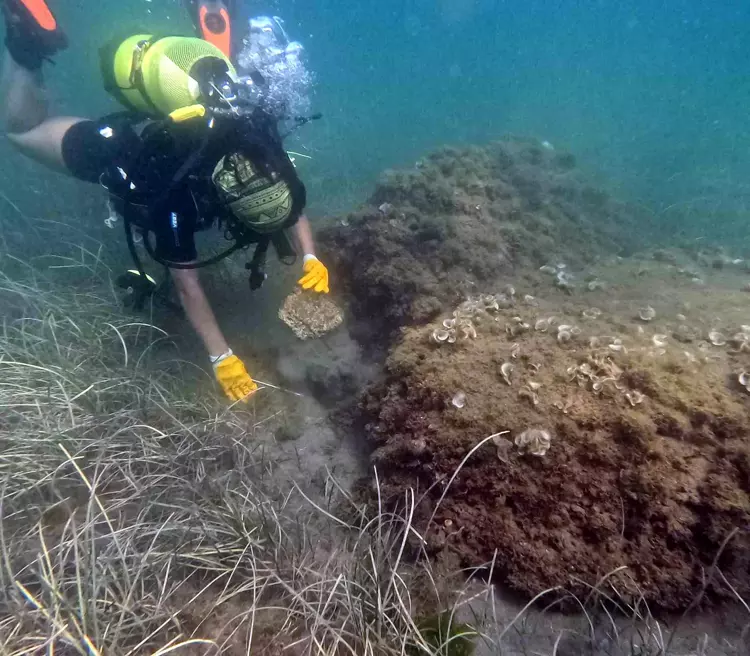
Erdem explains that the precision of these perforations points to deliberate craftsmanship, possibly connected to mother-of-pearl extraction or the production of decorative or utilitarian shell items. The trench also yielded an unusually high number of ivory and bone hairpins, along with stone tools used across different periods, from prehistory to the Roman–Byzantine era.
“Even though we have not yet identified the exact function of this area, the density and workmanship of the finds suggest targeted activity—likely a workshop zone,” Erdem says.
A Long-Lost Harbor Revealed Beneath the Waves
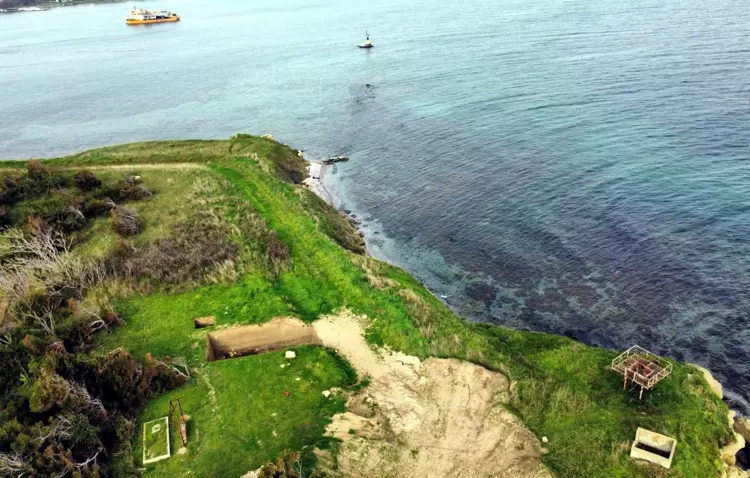
While work continued on land, underwater specialists undertook new surveying and documentation in Perinthos’ eastern harbor. A substantial submerged wall—first identified last season—was examined through repeated dives, strengthening the possibility that it belonged to a harbor installation or shoreline industrial zone.
Because this part of the coastline had never been systematically investigated, it is now considered one of the most promising new research areas for understanding Perinthos’ maritime infrastructure.
The Theater of Perinthos Yields Earlier Layers
Excavations also continue at Perinthos’ monumental theater—the largest known in ancient Thrace. Buried beneath roughly six meters of fill, the theater preserves multiple architectural phases. Near the stage building, archaeologists uncovered massive early-period blocks pointing to earlier construction campaigns.
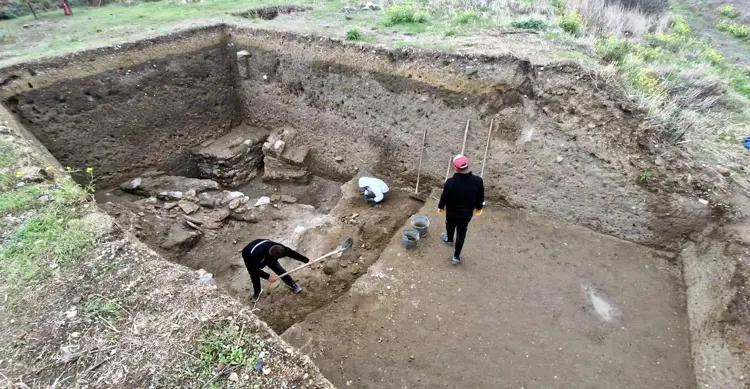
Further sondages toward the section known as Kavala revealed seating blocks scattered and overturned, some bearing possible mason’s marks or ownership inscriptions. These marks may indicate reserved seating arrangements or signatures left by ancient stonecutters.
Expanding the Western Necropolis
Parallel to the theater and coastal work, investigations are ongoing in the Late Antique necropolis to the west. Osteological studies—carried out with Hacettepe University—continue to analyze the demographic and cultural patterns of the burials. Due to favorable weather and strong project support, the excavation season is expected to extend into late December.