-
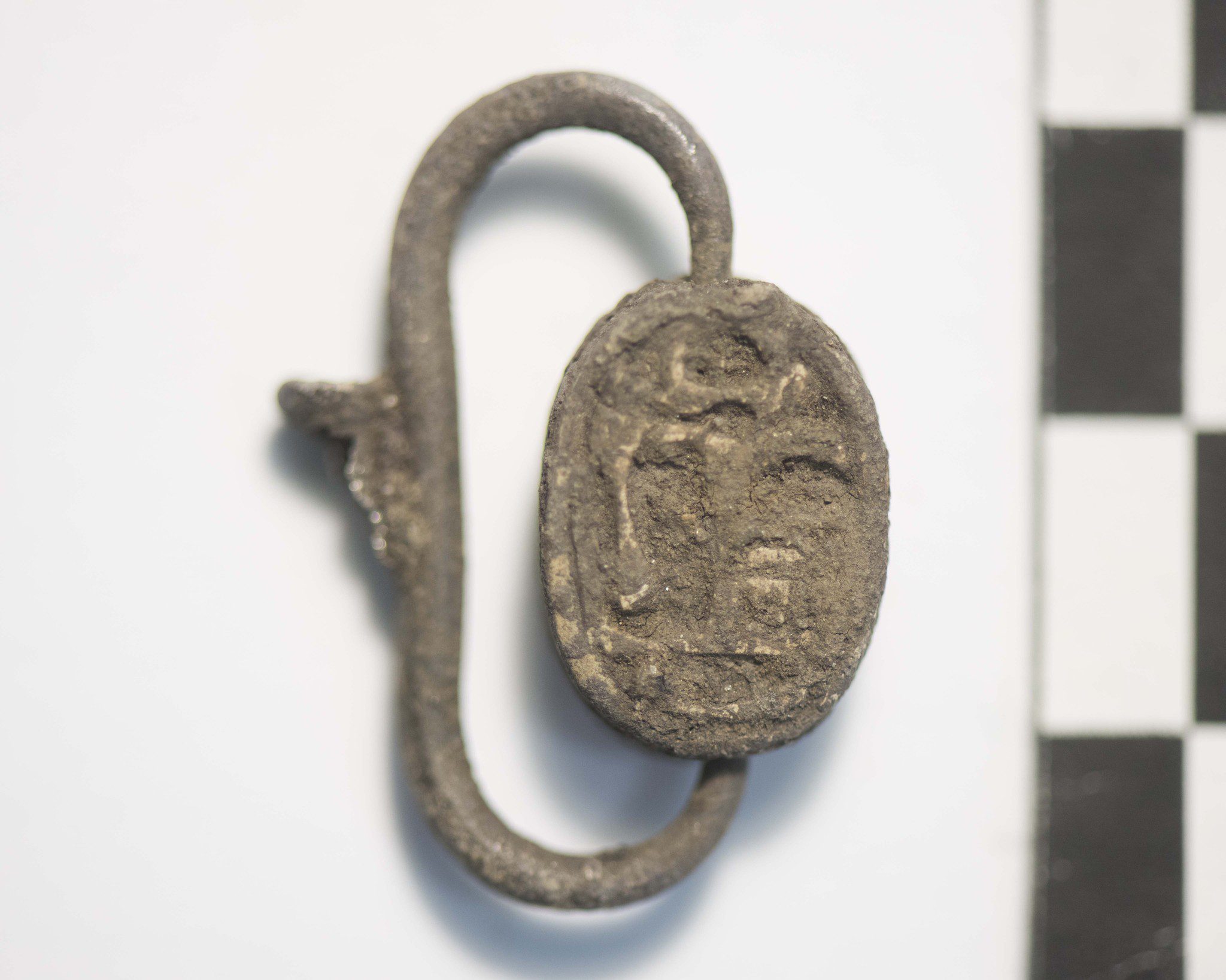
A 3,000-Year-Old Phoenician Scarab Seal Discovered in Sardinia’s Mountain Interior
Archaeological excavations in the rugged interior of Sardinia have revealed a discovery that is already reshaping discussions about ancient Mediterranean exchange networks. At the Nuragic site of Ruinas, near the mountain town of Arzana, researchers uncovered a steatite scarab seal that appears to provide compelling evidence of direct contact between Nuragic communities and the Phoenician…
-

Europe’s Oldest Textiles Emerge from an 8,000-Year-Old Neolithic Village Beneath an Italian Lake
Beneath the still waters of central Italy, archaeologists have uncovered a rarely preserved side of early human life—textiles, baskets, and cords woven nearly 8,000 years ago. The finds come from the submerged Neolithic settlement of La Marmotta, offering one of the clearest windows yet into Europe’s earliest fiber technologies. Unlike stone tools or pottery, organic…
-
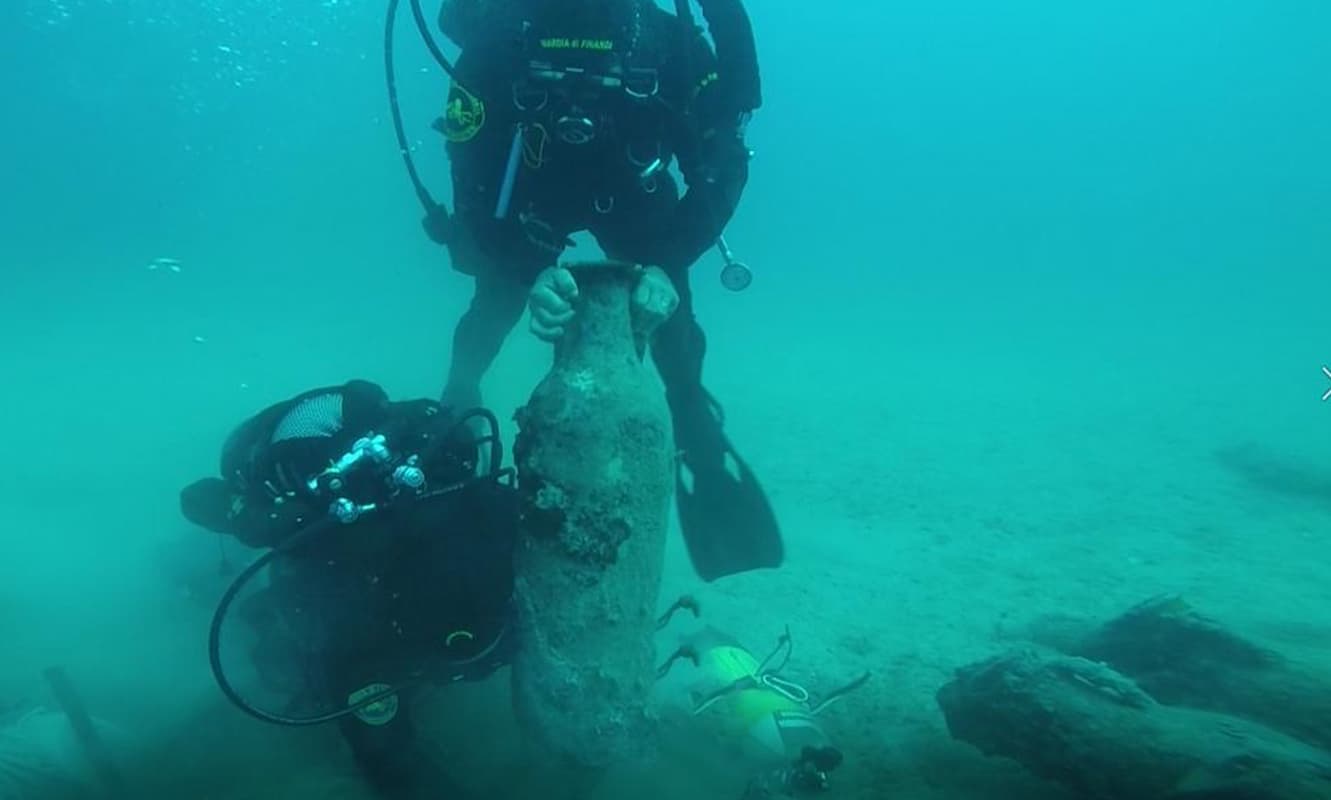
A Roman Cargo Giant Emerges from the Ionian Sea off Italy
Beneath the clear, unforgiving waters of the Ionian Sea, a silent witness to Rome’s maritime economy has been waiting for centuries. A large Roman merchant ship, discovered a few miles off the coast of Gallipoli in southern Italy, is now being revealed to the public after months of deliberate secrecy. The wreckfound in June 2025,…
-
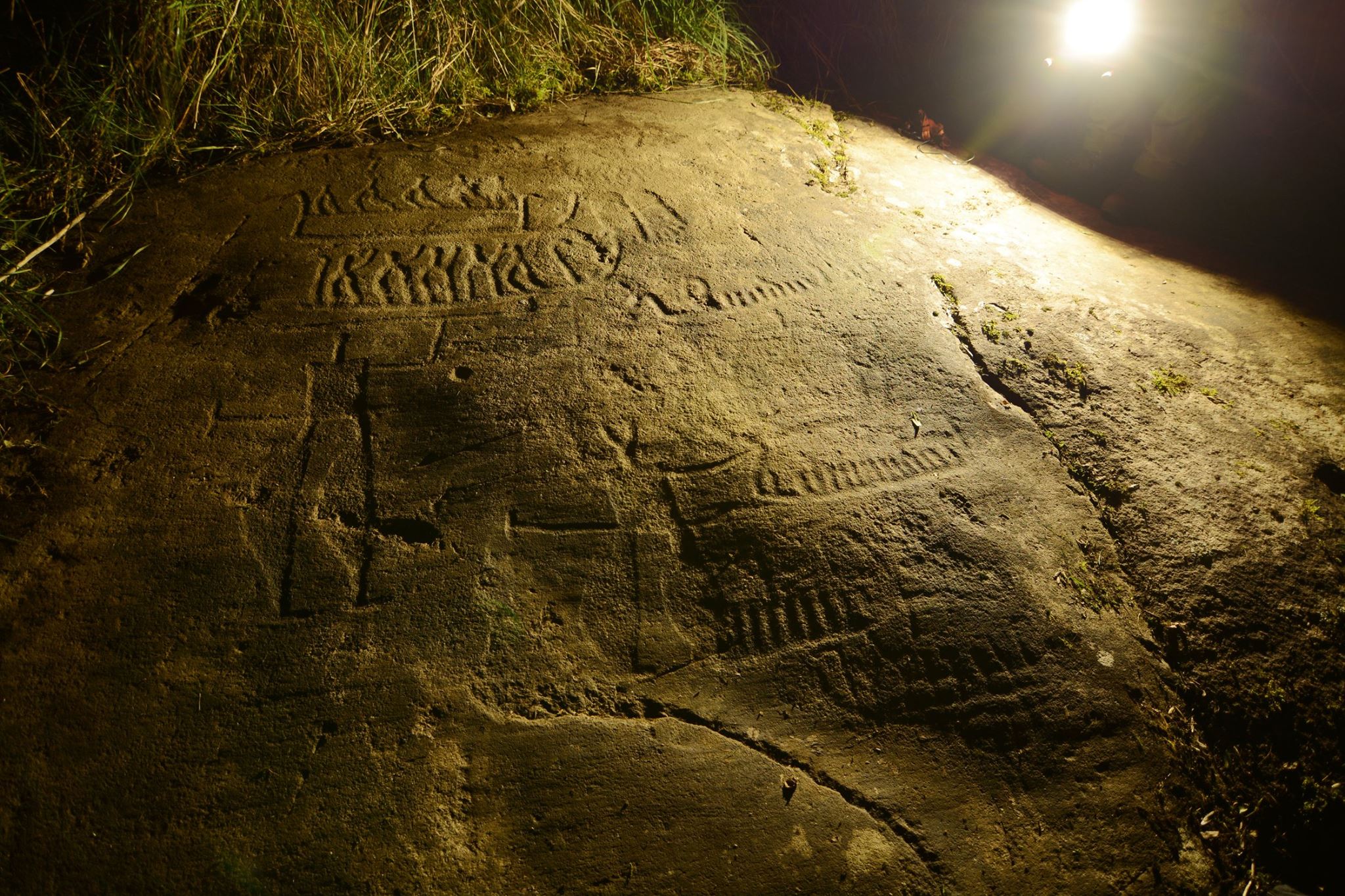
3,000-Year-Old Bronze Age Rock Carvings Discovered Beneath a Hill in Norway
A quiet hillside in eastern Norway has revealed a remarkable cluster of Bronze Age rock carvings, hidden in plain sight for more than 3,000 years. Discovered beneath a prominent hill in the Bærum region near Oslo, the newly documented images—ranging from large ship motifs to rare human imprints—are reshaping archaeologists’ understanding of how prehistoric Scandinavian…
-

A Hidden Tunnel Beneath a Neolithic Enclosure: Germany’s New Erdstall Discovery Raises Old Questions
At first glance, the discovery looked ordinary — a shallow pit cut into the southern edge of a prehistoric ditch. But as archaeologists dug deeper near the village of Reinstedt in central Germany, the ground quite literally opened into something far more enigmatic: a narrow, curving underground passage that had remained hidden for centuries. The…
-

A Lost Roman City May Have Been Found in Mallorca, Ending a Centuries-Old Mystery
Archaeologists working in the heart of Mallorca believe they may finally be closing in on one of Roman Spain’s most elusive urban centers. New discoveries at the long-studied site of Son Fornés are now pointing toward the possible location of Tucis or Guium—two Roman cities recorded by ancient sources but never conclusively identified. The breakthrough…
-

A War Elephant Bone from the Second Punic War Discovered in Córdoba, Spain
Archaeologists working in southern Spain have uncovered a rare and striking piece of physical evidence from one of antiquity’s most violent conflicts. A small elephant bone found in Córdoba has been securely linked to the Second Punic War, offering what researchers describe as a unique example of direct archaeological proof for the presence of war…
-
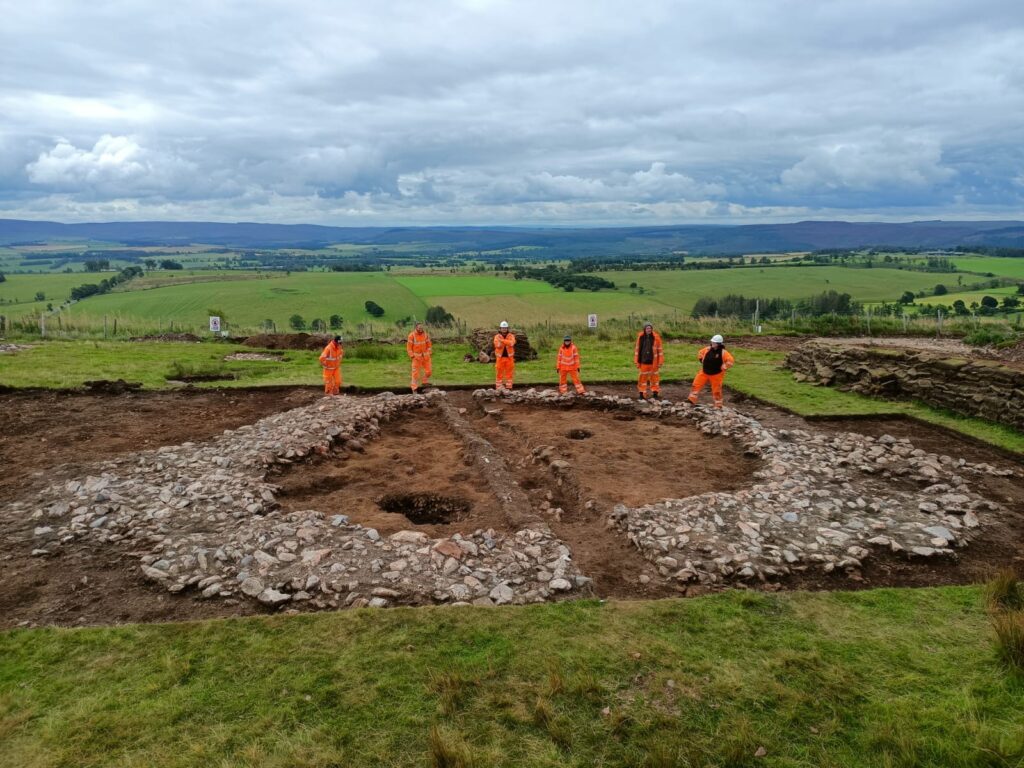
Bronze Age Farmers Reached England’s Cheviot Hills Earlier Than Thought
High in the rolling uplands of northern England, archaeologists have uncovered rare and remarkably complete evidence of Bronze Age life—evidence that is now reshaping how early settlement and farming in the Cheviot Hills are understood. Excavations at Harden Quarry, within Northumberland National Park, have revealed a hilltop landscape where people lived, farmed, and buried their…
-

Seven Centuries Beneath Rome: Republican Tombs, a Hercules Sanctuary, and Monumental Basins Unearthed in Pietralata
In the eastern outskirts of Rome, archaeologists have brought to light a remarkably layered archaeological landscape—one that traces daily life, belief, and burial practices across more than 700 years. Excavations at Acacia Park 2, near Via di Pietralata, reveal a suburban zone shaped by roads, rituals, and families from the early Republic through the dawn…