
At the Brougham Roman Cemetery in northern England, every grave tells a different story. Excavated during works for the A66 road upgrade, the site reveals a striking reality: no two burials are the same. From the selection of grave goods to the structure of the graves themselves, the diversity is unmistakable—pointing to a community shaped not by rigid tradition, but by personal choice, cultural variation, and lived experience across Roman Britain.
No Standard Way to Bury the Dead
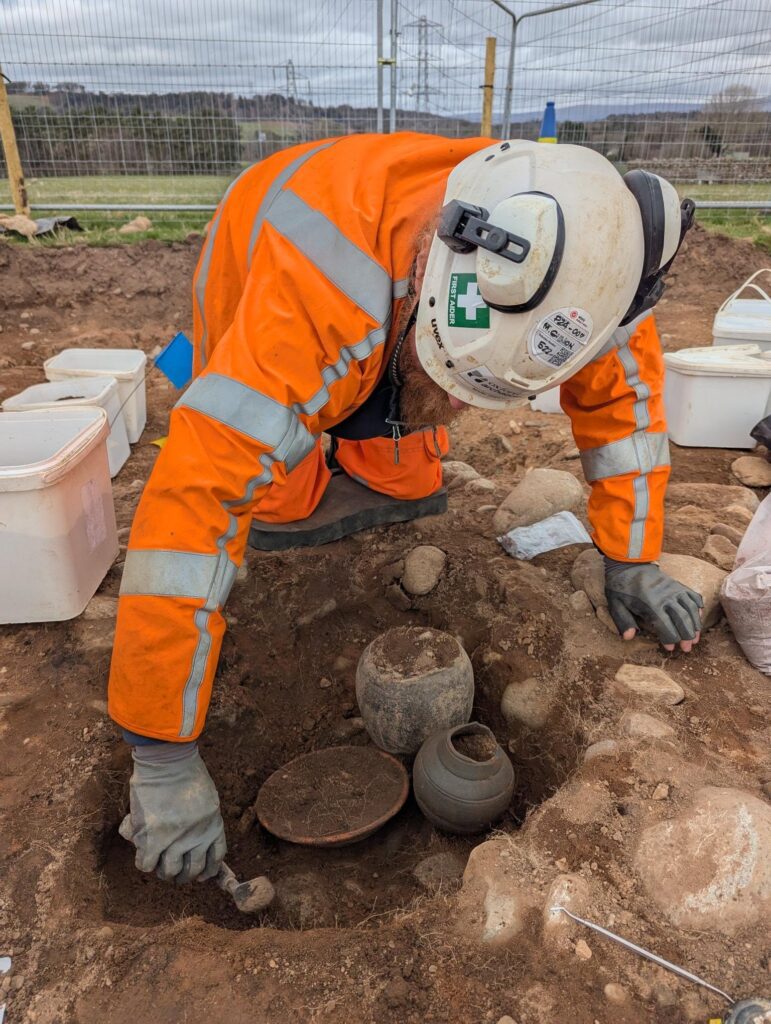
What emerges from the cemetery is not a single funerary model, but a spectrum of practices. Some graves include familiar elements of Roman burial customs—such as pottery vessels or personal belongings—while others diverge sharply in both form and content.
This variation does not appear accidental. Instead, it suggests that burial was not governed by strict rules, but influenced by individual identity, family decisions, and possibly differing cultural traditions. In this sense, each grave becomes a deliberate expression rather than a standardized ritual.
A Cemetery for Soldiers—and Civilians
Another key insight lies in who was buried here.
Evidence presented by Dr Lauren McIntyre indicates that the cemetery likely served both military personnel and civilians. This overlap challenges simplified views of Roman frontier life as neatly divided between army and population.
Instead, Brougham appears to reflect a more integrated community—one in which soldiers, families, and local inhabitants coexisted. Such environments were typical in parts of Roman Britain, where mobility and cultural interaction shaped everyday life.
Grave Goods and the Language of Identity
The objects placed within the graves offer some of the most compelling evidence.
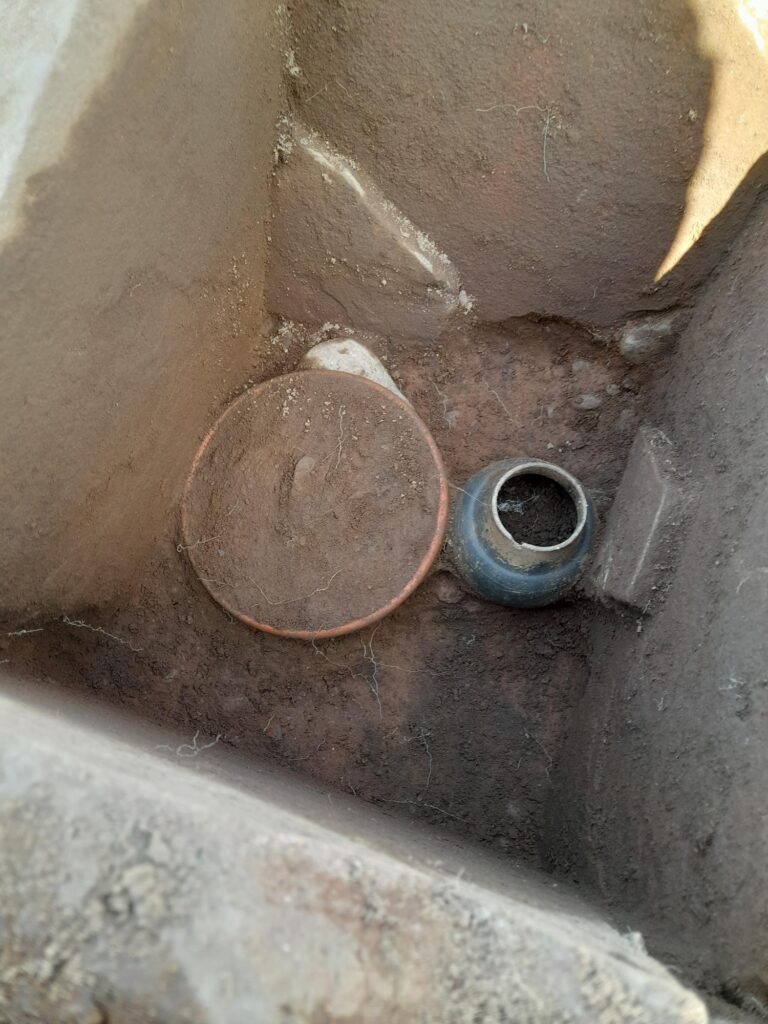
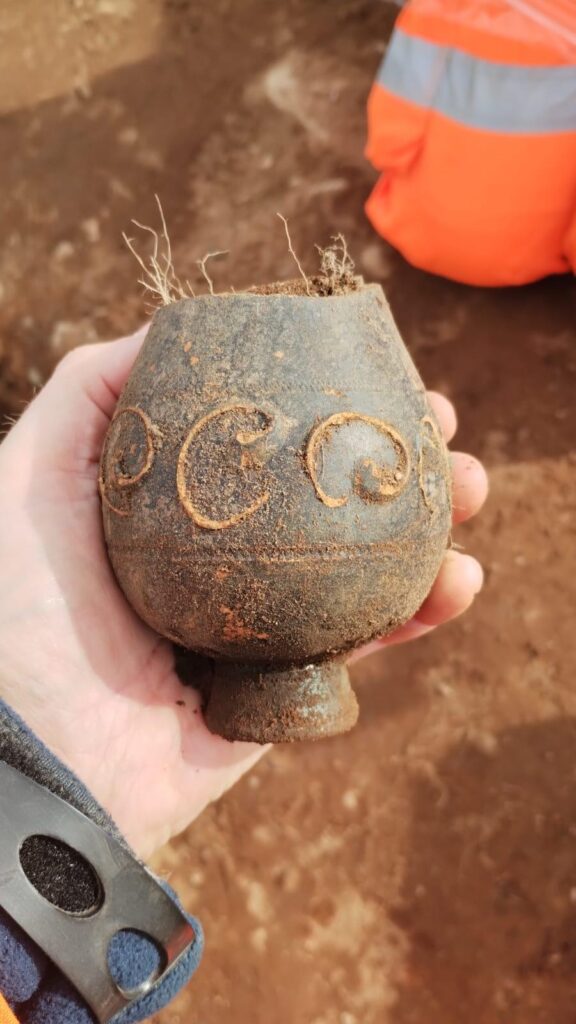
While certain items recur, the overall diversity of grave goods is striking. This suggests that these objects were not merely markers of status, but part of a more complex system of meaning.
In some cases, they may reflect traditions carried from different regions of the Roman Empire. In others, they seem to represent personal or familial choices—gestures shaped by memory, belief, and emotion.
Rather than uniformity, what we see is a cemetery that encodes multiple identities within a single space.
What the Dead Reveal About the Living
Burial practices often preserve what written sources do not.
At Brougham, the absence of a single dominant pattern speaks volumes. It points to a society that was not culturally monolithic, but layered and adaptive—where individuals navigated identity through both shared and personal traditions.
The cemetery, in this sense, reflects a living community negotiating belonging, difference, and continuity within the wider framework of the Roman world.
Why This Discovery Matters
Finds like this are increasingly emerging through infrastructure-led archaeology. Without the A66 upgrade, this cemetery—and the stories it contains—might have remained hidden.
Beyond its immediate findings, the site contributes to a broader reassessment of Roman Britain. It reinforces the idea that even within an imperial system, local communities retained flexibility in how they expressed identity and commemorated the dead.
A Human Story Beneath the Soil
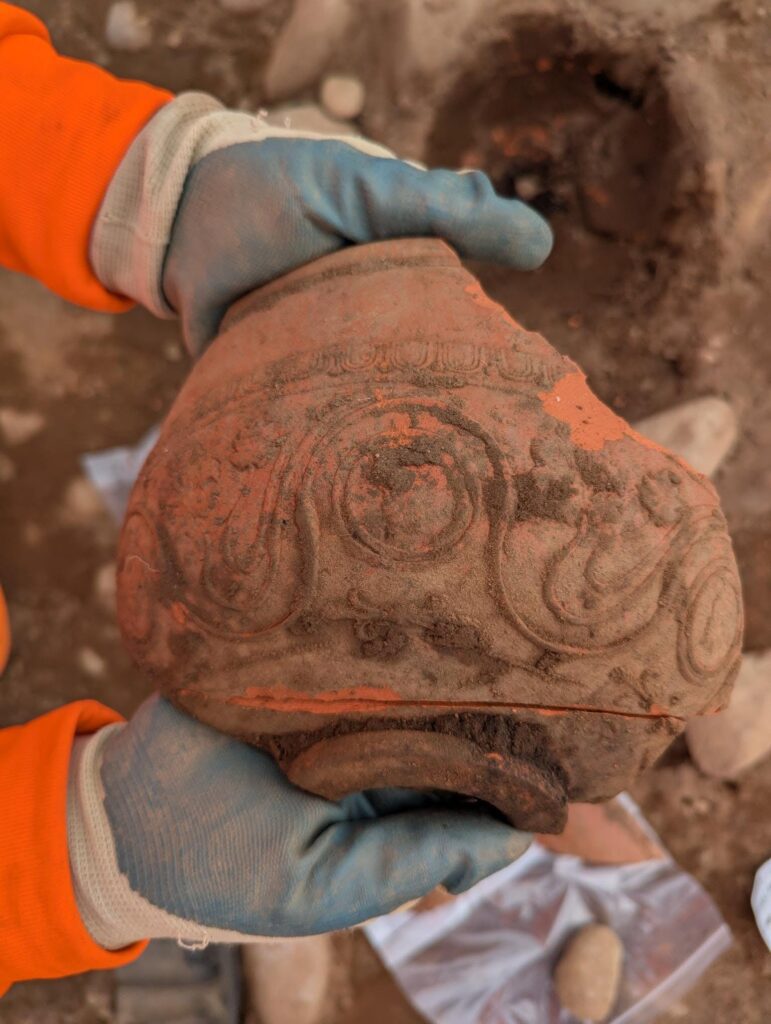
Each grave at Brougham represents more than a burial. It marks a moment of decision—how someone was remembered, what was chosen to accompany them, and how they were placed within the landscape of the living and the dead.
Taken together, these choices form a quiet but powerful narrative. Not of uniformity, but of difference—of a community defined as much by its diversity as by its shared place in Roman Britain.